

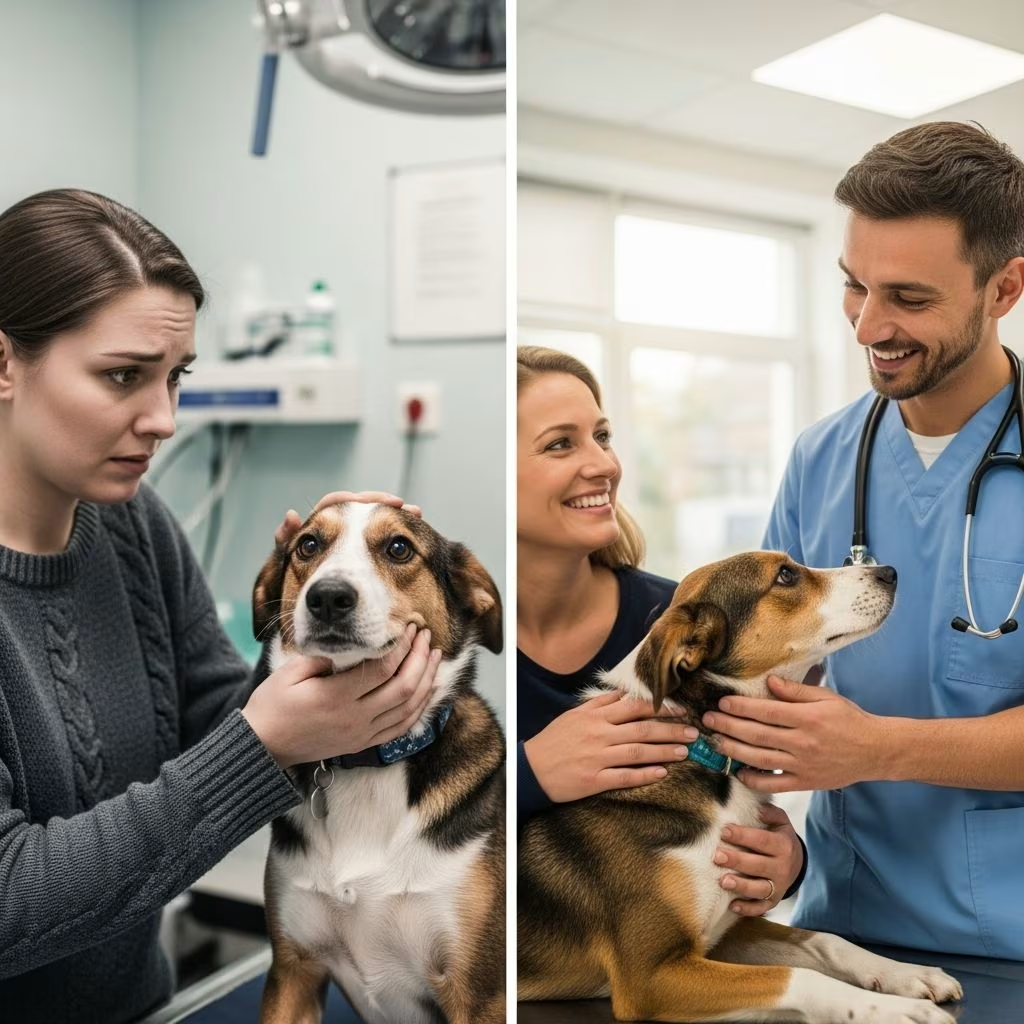
Switching veterinarians for your cat can be a crucial decision to ensure they receive the highest quality care. While it’s normal to build a long-term relationship with a vet, certain red flags indicate it’s time to seek a new provider. This guide outlines 13 vet-reviewed signs that it’s time to switch, drawn from expert insights, and provides clear steps on how to make the transition smoothly. Prioritizing your cat’s health means staying vigilant about these issues, from office hygiene to treatment accuracy.
The 13 Signs It’s Time to Switch Vets
Recognizing when your current veterinarian isn’t meeting your cat’s needs is essential. Here are 13 clear indicators, reviewed by veterinary professionals, that signal a change is necessary. These signs cover everything from facility conditions to communication and expertise.
1. Your Vet’s Office Is Dirty
A veterinary clinic dealing with animals will naturally have some pet hair or mild odors, but persistent uncleanliness is a major concern. If exam rooms appear grimy, urine puddles linger in corners, or the facility shows signs of disrepair, it’s a red flag. Strict hygiene standards are critical in vet practices to prevent disease transmission, especially among sick or immunocompromised cats. Surgical areas must be sterile to avoid complications, so a dirty office compromises your pet’s safety.
2. Long Wait Times Are the Norm
Occasional delays happen in busy clinics, but if you’re consistently waiting over 30-45 minutes past your appointment time without explanation, it’s problematic. This disrespect for your time can indicate poor management or overbooking, leading to rushed appointments where your cat’s concerns aren’t fully addressed. Reliable scheduling reflects a practice that values client and patient time equally.
3. Your Vet Is Flaky
Veterinarians juggle heavy caseloads, so a short wait or delayed call-back is understandable. However, chronic lateness, forgotten callbacks, or ignored messages point to disorganization or lack of priority for clients. A dependable vet maintains punctuality and responsive communication, ensuring you feel supported in your cat’s care.
4. There Are No Options for After-Hours Emergencies
No clinic can operate 24/7, but a good vet provides clear emergency protocols, such as referral numbers or partner hospitals for off-hours issues. If your vet refuses to share this information, it leaves you stranded during crises like sudden vomiting or injury. Access to after-hours care is vital for cats, whose conditions can deteriorate rapidly.
5. Your Vet’s Office and Their Knowledge Are a Bit Outdated
Veterinary medicine evolves quickly with new treatments, diagnostics, and protocols. While no vet knows everything, a competent one admits gaps and researches or refers to specialists. Resistance to modern tools like digital records, telemedicine, or updated vaccines signals stagnation that could harm your cat’s health outcomes.
6. Poor Communication from the Vet
Effective vet-client relationships thrive on clear, empathetic dialogue. If explanations are rushed, jargon-heavy without simplification, or questions are dismissed, trust erodes. You deserve thorough answers about diagnoses, treatments, and costs to make informed decisions for your cat.
7. They Don’t Listen to Your Concerns
Dismissing your observations—like changes in appetite or behavior—undermines partnership. Vets should validate owner input, as you’re the daily expert on your cat. Ignoring concerns can lead to missed diagnoses or delayed care.
8. High Turnover of Staff
Frequent changes in receptionists, techs, or even vets disrupt continuity. Constant new faces mean inconsistent records, repeated histories, and fragmented care, frustrating both you and your cat.
9. Your Cat Hates Going There
If your cat shows extreme stress—hiding, aggression, or vocal distress—beyond normal vet visit anxiety, the environment or handling may be traumatic. A cat-friendly vet uses gentle techniques, pheromone diffusers, and low-stress handling to build positive associations.
10. They Push Unnecessary Treatments or Products
Upselling unrelated services or premium foods without justification erodes trust. Ethical vets recommend based on need, not profit, and discuss alternatives transparently.
11. You’ve Experienced an Error in Treatment
Mistakes happen, but major errors like misdiagnosis or incorrect medication warrant discussion. If unresolved, lingering doubt justifies switching to restore confidence in care.
12. They Don’t Consider Your Financial Situation
Vets should offer payment plans, generics, or low-cost alternatives without judgment. Dismissing budget concerns ignores accessibility to essential care.
13. Lack of Trust or Personal Disconnect
Ultimately, if you dread visits or feel unheard, the relationship isn’t serving you or your cat. Trust is foundational; without it, optimal care suffers.
How to Switch Vets
Transitioning vets is straightforward, similar to changing human doctors. Follow these steps for a seamless switch:
- Research New Options: Use online reviews, ask friends, or check sites like the AVMA for cat-focused clinics. Visit virtually or in-person to assess vibe, cleanliness, and services.
- Notify Your Current Vet: Inform the front desk you’re switching; optionally explain to the vet. Request full records transfer—most do this free via email or portal.
- Schedule with New Vet: Book an introductory exam. Provide transferred records and discuss history. Ask about emergencies, costs, and policies.
- Update Microchip/Records: Ensure new vet has microchip info if applicable.
- Monitor Transition: Attend first few visits closely; vaccines or meds may need continuity.
A table summarizing key transition steps:
| Step | Action | Timeline |
|---|---|---|
| 1. Find New Vet | Research and visit | 1-2 weeks |
| 2. Request Records | Contact old clinic | Immediate |
| 3. First Appointment | Schedule exam | Within 1 month |
| 4. Follow-Up | Review records together | At first visit |
Frequently Asked Questions (FAQs)
Q: How do I know if it’s really time to switch vets?
A: Look for persistent issues like poor hygiene, unreliability, or treatment errors. If trust is broken and concerns unaddressed, prioritize your cat’s well-being.
Q: Will switching vets affect my cat’s medical history?
A: No, request full records transfer. Digital formats make this easy and free in most cases.
Q: How do I find a cat-friendly new vet?
A: Seek Fear Free certified practices, those with cat-only areas, and positive reviews on low-stress handling.
Q: Is it okay to switch mid-treatment?
A: Yes, but time it post-urgent care. Consult new vet for continuity on ongoing meds or vaccines.
Q: What if my cat dislikes the new vet too?
A: Give it time with positive reinforcement. If issues persist, reassess for specialized feline behaviorists.
Switching vets ensures your cat gets compassionate, competent care tailored to their needs. Don’t hesitate if signs appear—your feline friend deserves the best.
References
- Veterinary Medical Care Guidelines — American Veterinary Medical Association (AVMA). 2024-10-15. https://www.avma.org/resources-tools/pet-owners/petcare/veterinary-medical-care-guidelines
- Principles of Veterinary Medical Ethics of the AVMA — American Veterinary Medical Association (AVMA). 2025-01-01. https://www.avma.org/resources-tools/avma-policies/principles-veterinary-medical-ethics-avma
- Low-Stress Handling in Feline Practice — International Cat Care. 2024-05-20. https://icatcare.org/advice/low-stress-handling-in-feline-practice/
- Choosing a New Veterinarian — Association of American Veterinary Medical Colleges (AAVMC). 2023-11-10. https://aavmc.org/resources-tools/choosing-a-new-veterinarian/
- Hygiene Standards in Veterinary Clinics — Centers for Disease Control and Prevention (CDC). 2024-08-05. https://www.cdc.gov/infection-control/guidelines/veterinary/index.html



