

How to Switch to Eco-Friendly Cat Litter: A Complete Guide for Sustainable Pet Care
Making the decision to switch your cat to eco-friendly litter is an excellent step toward reducing your household’s environmental footprint. As pet owners become increasingly conscious of sustainability, the market for environmentally responsible cat litter options has expanded dramatically. This comprehensive guide will walk you through the process of transitioning your feline companion to a more sustainable litter option while ensuring their comfort and maintaining a clean, odor-free home.
Understanding Eco-Friendly Cat Litter Materials
Before making the switch, it’s important to understand the various eco-friendly materials available. Each option offers distinct advantages and characteristics that may suit your cat’s preferences and your household needs differently.
Pine Pellet Litter
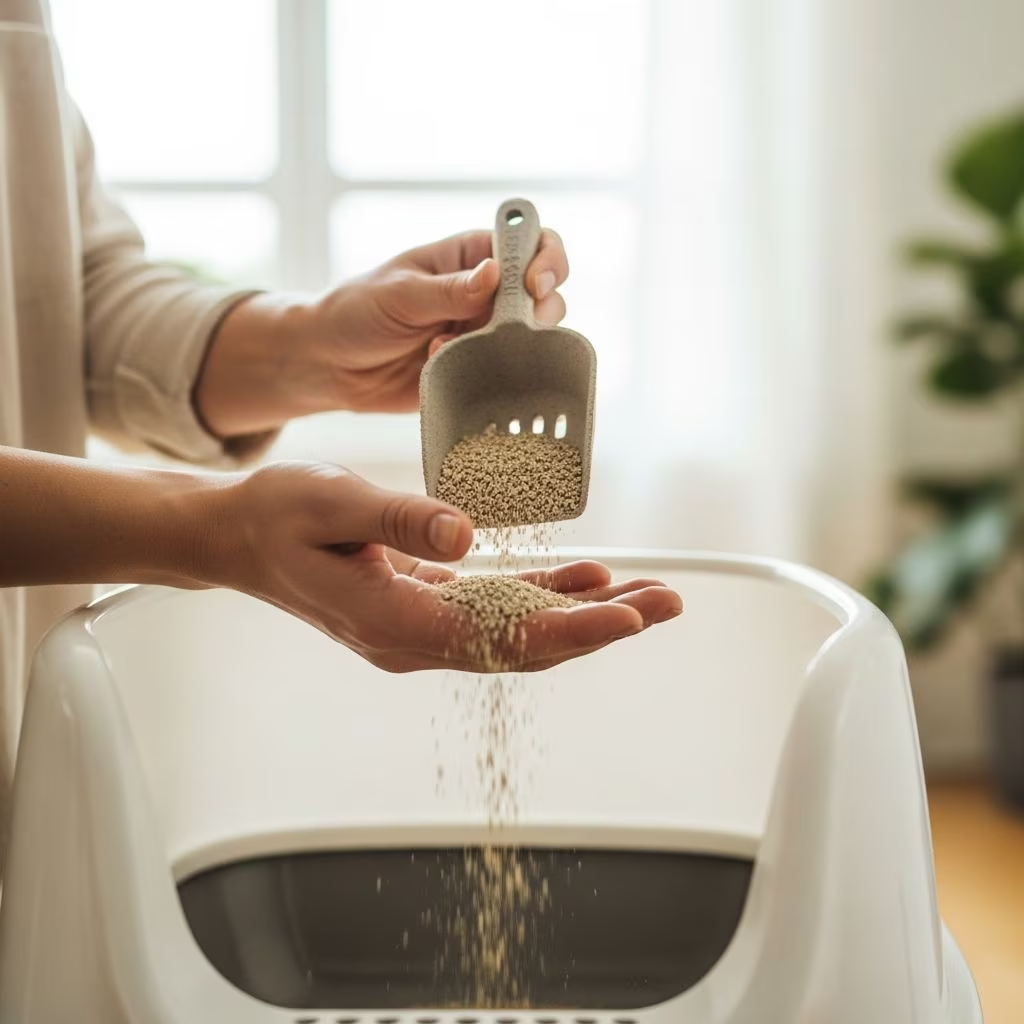
Pine pellet litter stands out for its natural odor control and complete biodegradability. Made from compressed sawdust, these pellets expand when wet, effectively containing smells and making them ideal for sifting litter boxes. The natural properties of pine provide excellent odor neutralization without synthetic chemicals. While some cats require an adjustment period due to the unique texture, pine litter remains one of the most environmentally friendly options available. The pellets are significantly more sustainable than traditional clay, as they utilize a renewable resource and decompose naturally.
Corn and Wheat-Based Litter
Corn-based litter has become increasingly popular among environmentally conscious pet owners. These litters offer superior clumping ability and effective odor control while being completely biodegradable and often flushable. Corn litter provides a texture similar to traditional clay, making the transition easier for cats accustomed to conventional litters. Wheat-based varieties offer similar benefits with excellent clumping performance. Both options are sourced from renewable agricultural materials and break down naturally in the environment.
Tofu and Soy-Based Litter
Made from leftover soy pulp derived from tofu production, soy-based litter represents an innovative use of agricultural byproducts. This material is exceptionally compostable, lightweight, and typically dust-free, making it ideal for cats with respiratory sensitivities and their owners with allergies. Soy litter often comes in biodegradable packaging as well, reinforcing its environmental credentials. The soft texture appeals to many cats, and it provides excellent odor control through natural properties rather than chemical additives. While slightly more expensive than some alternatives, the guilt-free environmental choice justifies the investment for many households.
Paper-Based Litter
Recycled paper-based litter offers impressive absorbency—up to three times greater than traditional clay litter. This increased absorbency means you need less litter overall, reducing both waste and expenditure. Made from post-consumer recycled materials, these litters give new life to waste products while maintaining excellent performance. The soft, dust-free composition makes them suitable for sensitive cats and creates a healthier indoor environment.
Walnut Shell Litter
Naturally Fresh litter, made from walnut shells, combines functionality with significant ecological benefits. The company grows its own walnut trees, using 100% of the shells for litter production. These trees absorb substantial amounts of carbon dioxide annually while producing oxygen. The resulting litter clumps excellently, controls odor effectively, and is completely biodegradable. It can be flushed and is septic-safe. Additionally, one bag of walnut shell litter provides equivalent odor control and clumping to approximately three bags of traditional clay litter, offering excellent value and environmental advantages.
Wood and Reclaimed Wood Litter
Ökocat, made from 100% reclaimed wood, exemplifies sustainable sourcing practices. This litter offers exceptional odor control lasting up to seven days and demonstrates anti-bacterial properties. The wood pellets can absorb up to 500% of their own weight, making them highly efficient. Sourced from sustainably managed forests, wood litters provide a soft, lightweight granule texture most similar to standard clay litter, facilitating easier transitions for cats. The environmental credentials are strengthened by the use of reclaimed materials rather than virgin resources.
Hemp and Grass Seed Litter
Hemp fiber litter, certified organic and USDA-approved, represents an exciting frontier in sustainable cat care. This exceptionally light and soft litter is approximately seven times more absorbent than most traditional litters while weighing 70% less, significantly reducing carbon emissions from transportation. A four-pound bag can provide equivalent coverage to over 20 pounds of traditional clay litter. Grass seed litter from certified B Corporations combines excellent clumping with good odor control, minimal dust, and low tracking. These innovative materials support sustainable agriculture and offer superior performance with reduced environmental impact.
Why Switch to Eco-Friendly Cat Litter?
The environmental benefits of switching to eco-friendly cat litter are substantial. Traditional clay litter, particularly bentonite clay, requires strip mining—a destructive process that damages ecosystems and landscapes. Clay litter does not biodegrade, meaning tons of used litter accumulate in landfills annually. In contrast, biodegradable litters decompose naturally, significantly reducing landfill waste. Many eco-friendly options are compostable, allowing pet owners to incorporate used litter into garden composting systems when desired.
Beyond environmental considerations, eco-friendly litters often provide health benefits for both cats and their owners. Many natural litters produce minimal dust, reducing respiratory issues in cats with asthma or allergies and improving indoor air quality for humans. The absence of synthetic fragrances and chemical additives creates a healthier living environment. Natural odor control through material properties rather than chemical perfumes is gentler on sensitive feline noses.
Choosing the Right Eco-Friendly Litter for Your Cat
Selecting the appropriate eco-friendly litter requires considering your cat’s specific preferences and your household’s needs. Different cats have varying texture preferences—some prefer fine granules similar to clay, while others adapt well to pellets or irregular shapes. Odor control performance varies among materials, with walnut shell, wood, and hemp litters generally providing superior odor neutralization. Clumping ability differs significantly; corn, wheat, and some paper-based litters offer clumping comparable to clay, while pellet-based litters may not clump but contain odors effectively through absorption and pellet separation in sifting boxes.
Consider your litter box type when selecting an eco-friendly option. Traditional open boxes work with any litter, while sifting litter boxes perform best with materials like pine pellets or corn that separate cleanly. Automatic litter boxes may have specific material requirements. Budget considerations matter as well; while eco-friendly litters initially cost more than clay, superior absorbency and efficiency often result in lower long-term expenses and reduced waste volume.
Best Eco-Friendly Cat Litter Brands
Several leading brands have established themselves as reliable sources for high-quality eco-friendly cat litter:
World’s Best Cat Litter
This corn-based litter offers superior clumping and excellent odor control with a flushable formula that minimizes tracking. Users particularly praise its compatibility with stainless steel litter boxes, creating nearly dust-free environments. The formula is especially beneficial for cats with respiratory sensitivities, with some owners reporting visible health improvements in asthmatic cats after switching.
Ökocat Natural Wood Litter
Made from reclaimed wood, Ökocat stands out for impressive sustainability credentials and remarkable odor control. The low-dust formula comes in multiple textures accommodating different feline preferences. Its performance with sifting stainless steel litter boxes makes cleaning efficient and environmentally responsible. Testing has shown quick liquid absorption and easy-to-scoop clumps, though users should note that clumps may be more fragile than those from corn or grain varieties.
Feline Pine
Offering excellent value, Feline Pine pellets provide natural odor neutralization without synthetic additives. While cats may need a transition period to adjust to the pellet texture, many users report significant long-term cost savings. The brand’s widespread availability at major retailers makes sustainable litter accessible to consumers everywhere. Natural pine properties eliminate the need for chemical fragrances while providing reliable odor control.
Naturally Fresh Walnut Shell Litter
This innovative litter combines exceptional performance with remarkable environmental benefits. The company’s commitment to growing walnut trees and using 100% of the shells ensures complete sustainability. The resulting litter clumps excellently, controls odors effectively, and is completely biodegradable and septic-safe. Users appreciate the significant value proposition, as one bag typically equals three bags of traditional clay litter in efficacy.
Almo Nature
Available in soft and natural grain textures, Almo Nature plant-based litters offer excellent biodegradability and superior odor control. The soft texture version provides remarkably low tracking despite fine grains, while the natural grain version accommodates all cat types with no tracking concerns. Both varieties come in recyclable or paper packaging, extending environmental benefits beyond the litter itself.
Only Natural Pet Non-GMO Grass Seed Litter
This certified B Corporation product demonstrates comprehensive environmental commitment through carbon-neutral shipping partnerships. The non-GMO grass seed litter clumps well, controls odor effectively, is virtually dust-free with minimal tracking, and is flushable where permitted. The company’s 86.1% overall impact score reflects genuine dedication to sustainability throughout operations.
Step-by-Step Guide to Switching Your Cat to Eco-Friendly Litter
A successful transition requires patience and a gradual approach to prevent stress and rejection:
Step 1: Choose Your Eco-Friendly Litter
Research options based on your cat’s age, health status, and texture preferences. Consider whether your cat has any respiratory sensitivities requiring dust-free options. Read reviews from other cat owners describing their cats’ reactions and preferences. If possible, purchase a small quantity first to test before committing to larger purchases.
Step 2: Start the Transition Gradually
Mix small amounts of the new eco-friendly litter with your cat’s current litter, beginning with approximately 10-20% new litter and 80-90% old litter. Maintain this ratio for 3-5 days, monitoring your cat’s litter box usage and behavior. Gradually increase the proportion of new litter each week, allowing your cat’s olfactory system and tactile preferences to adjust naturally. This slow process minimizes stress and increases acceptance.
Step 3: Monitor Your Cat’s Adjustment
Watch for signs of successful transition: consistent litter box usage, normal elimination habits, and comfortable behavior in the litter area. Some cats may initially avoid the box if the texture change is too abrupt. If resistance occurs, slow the transition process further or maintain the mix longer. Most cats successfully adapt within 2-4 weeks of gradual introduction.
Step 4: Observe Odor Control and Performance
After complete transition, evaluate how well the new litter controls odors and whether clumping or absorption meets your expectations. Note any changes in dust production, tracking, or overall cleanliness. Give the litter at least two weeks to demonstrate its full capabilities before considering alternatives.
Step 5: Adjust as Needed
If your cat struggles with acceptance or the litter’s performance disappoints, try a different eco-friendly material. Some cats prefer pellet-based options while others favor fine granules. Others may thrive with specific brands despite similar material compositions. Patience and experimentation will reveal the ideal match for your household.
Tips for Successful Transition
Several strategies enhance the likelihood of successful transition:
- Use Multiple Litter Boxes: Provide at least one box with the old litter and one with the new eco-friendly option during transition. This eliminates stress from having no familiar option available.
- Clean Boxes Thoroughly: Wash litter boxes with unscented soap before introducing new litter to remove old scent associations that might interfere with acceptance.
- Maintain Consistent Routine: Keep litter box locations, cleaning schedules, and surrounding environments constant during transition to minimize overall stress.
- Be Patient with Adjustment: Some cats need 4-6 weeks for full comfort with new textures and scents. Rushing the process may result in rejection or inappropriate elimination.
- Provide Positive Reinforcement: Reward your cat for using the new litter with treats and praise, creating positive associations with the transition.
- Consider Texture Preferences: If your cat consistently rejects a particular texture, try a different eco-friendly type rather than assuming rejection of all sustainable options.
Comparing Eco-Friendly Cat Litter Options
| Litter Type | Clumping Ability | Odor Control | Dust Level | Flushable | Price Range |
|---|---|---|---|---|---|
| Pine Pellets | None (Pellet Separation) | Excellent | Low | No | Moderate |
| Corn-Based | Excellent | Good | Minimal | Yes | Moderate-High |
| Tofu/Soy | Excellent | Excellent | None | Yes | High |
| Paper-Based | Good | Good | None | Yes | Moderate |
| Walnut Shell | Excellent | Excellent | No | Yes | Moderate |
| Wood (Reclaimed) | Good | Excellent | No | Yes | Moderate |
| Hemp Fiber | Good | Excellent | Minimal | Yes | High |
| Grass Seed | Good | Good | Minimal | Yes | Moderate |
Frequently Asked Questions About Eco-Friendly Cat Litter
Q: What is eco-friendly cat litter made from?
A: Eco-friendly cat litter is typically made from sustainable materials such as recycled paper, wood pellets, corn, wheat, tofu byproducts, walnut shells, hemp fiber, or grass seeds. These biodegradable materials break down naturally, significantly reducing environmental impact compared to traditional clay litter.
Q: Is biodegradable cat litter better for the environment?
A: Yes, biodegradable cat litter is substantially better for the environment. It decomposes naturally and reduces landfill waste, unlike traditional clay litters which do not break down and accumulate permanently in landfills. Additionally, eco-friendly options avoid the environmental damage caused by strip mining for bentonite clay.
Q: How long does the transition to eco-friendly litter typically take?
A: Most cats successfully transition to eco-friendly litter within 2-4 weeks using a gradual mixing approach. However, some cats may require 4-6 weeks, particularly if they have strong texture preferences or are sensitive to change. The key is patience and allowing your cat to adjust at their own pace.
Q: Is tofu cat litter a good eco-friendly option?
A: Yes, tofu cat litter is an excellent eco-friendly option. Made from leftover soy pulp byproducts, it’s completely biodegradable with superior clumping ability and natural odor control. The dust-free formula benefits cats with respiratory sensitivities and frequently comes in biodegradable packaging, reinforcing its environmental credentials.
Q: Can I compost biodegradable cat litter?
A: Yes, many biodegradable cat litters can be composted, particularly those made from natural materials like corn, wheat, paper, hemp, and grass seeds without harmful additives. However, never compost litter contaminated with parasites or diseases. Only compost used litter in separate compost piles not used for edible gardens.
Q: Will eco-friendly litter work in automatic litter boxes?
A: This depends on the specific automatic box model and litter type. Some automatic boxes work with corn or paper-based litter, while others require specific material properties. Always check your automatic litter box’s manufacturer recommendations before switching to eco-friendly alternatives to ensure compatibility.
Q: Is eco-friendly cat litter more expensive?
A: Eco-friendly litter typically costs more per bag than traditional clay, but the superior absorbency of many options means less litter is needed overall. Hemp litter, for example, provides the coverage of 20+ pounds of clay in a 4-pound bag. Long-term costs often become comparable or even favorable despite higher initial per-bag pricing.
Q: What should I do if my cat refuses the new eco-friendly litter?
A: If your cat consistently rejects the litter after a proper 4-6 week transition period, try a different eco-friendly material. Cats have distinct texture preferences—some prefer fine granules while others favor pellets or irregular shapes. Providing multiple box options and experimenting with different eco-friendly types will help identify the best match.
References
- Top 5 Eco-Friendly Cat Litter Choices for a Clean Home — Furrbby. 2024. https://www.furrbby.com/blogs/blogs/top-5-eco-friendly-cat-litter-choices-for-a-clean-home
- Cat Litter Comparison Guide: Which Type Is Right for Your Cat? — Noba Animal. 2024. https://nobaanimal.com/blogs/blog/cat-litter-comparison-guide-which-type-is-right-for-your-cat
- Eco-Friendly Cat Litter: Top 12 Brands with Comparison Chart – 2024 — Kapush. 2024. https://kapush.org/cat-litter/best-eco-friendly-cat-litter/
- The 5 Best Natural Cat Litters in 2026, Tested and Reviewed — Business Insider. 2026. https://www.businessinsider.com/guides/pets/best-natural-cat-litter
- How to Choose The Best Sustainable Cat Litter: The Ultimate Guide — The Kind Pet. 2024. https://thekindpet.com/blogs/blog/how-to-choose-the-best-sustainable-cat-litter-the-ultimate-guide
- The Ultimate Guide To Different Types of Cat Litter — Tuft & Paw. 2024. https://www.tuftandpaw.com/blogs/cat-guides/the-ultimate-guide-to-different-types-of-cat-litter



