

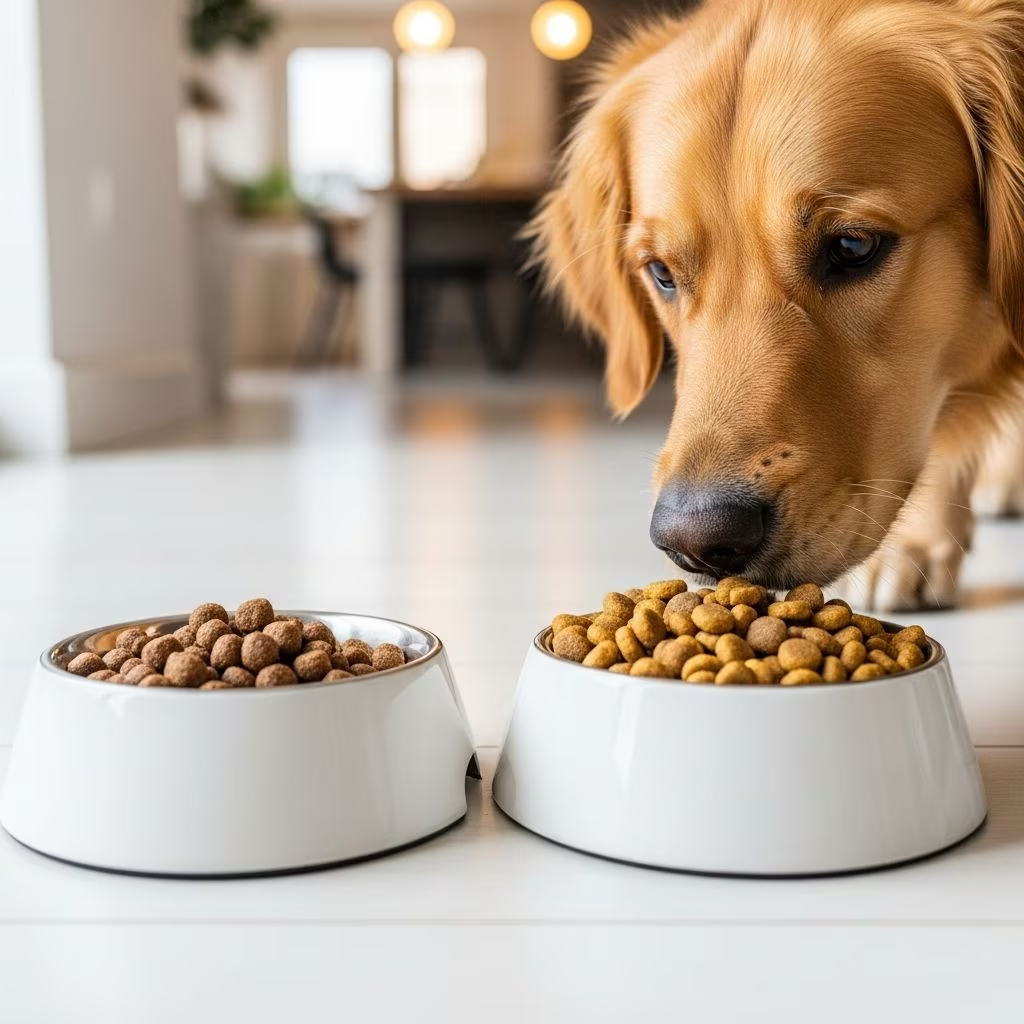
Switching your dog’s food requires a gradual transition over at least seven days to prevent digestive upset like diarrhea, vomiting, or gas, as recommended by most veterinarians. This approach allows your dog’s gut microbiome to adjust slowly to the new ingredients and nutrient profile.
Why You Should Switch Your Dog’s Food Gradually
Dogs thrive on routine, and an abrupt diet change can shock their digestive system, leading to bloating, gas, diarrhea, refusal to eat, or vomiting. A sudden switch disrupts the balance of gut bacteria, which takes time to adapt to new proteins, fibers, and fats. Gradual mixing of old and new food over 7-10 days minimizes these risks and ensures better acceptance of the new diet.
Some dogs tolerate faster changes, but puppies, seniors, or those with sensitive stomachs need the full 10 days or more. Monitoring stool quality—firm and consistent—is key; soft stools signal a need to slow down.
Food Transition Schedule
The standard 7-day plan mixes increasing amounts of new food into the old diet at each meal. Adjust based on your dog’s response: if issues arise, pause and revert to the previous ratio for 1-7 days.
Classic 7-Day Schedule:
- Days 1-2: 75-25% old to new (e.g., ¾ cup old + ¼ cup new per cup total).
- Days 3-4: 50-50% mix.
- Days 5-6: 25-75% old to new.
- Day 7: 100% new food.
For sensitive dogs, extend to 10 days with smaller increments (10-15% daily increase). Example 10-day plan:
| Day | Old Food % | New Food % |
|---|---|---|
| 1-2 | 75% | 25% |
| 3 | 65% | 35% |
| 4 | 55% | 45% |
| 5 | 45% | 55% |
| 6 | 35% | 65% |
| 7 | 25% | 75% |
| 8 | 20% | 80% |
| 9 | 10% | 90% |
| 10 | 0% | 100% |
Always mix thoroughly and serve the same total daily amount to avoid overfeeding.
Risks of Abruptly Switching Dog Food
The primary risks are gastrointestinal (GI) issues: loose stools, vomiting, excessive gas, or nausea. Behavioral signs include refusal to eat or lethargy. In rare cases, allergic reactions like itching or swelling occur if the new food introduces novel allergens. Puppies and dogs with pre-existing conditions face higher risks of dehydration from diarrhea.
If symptoms persist beyond 24-48 hours, stop the transition, return to old food, and consult a vet. Probiotics can support gut health during changes, but discuss with your vet first.
Best Time to Switch Dog Food
Choose a low-stress period: avoid during travel, holidays, or illness. Ideal times include routine vet visits, seasonal changes, or life stages like weaning puppies to adult food. Start on a weekend for close monitoring. Ensure no other diet tweaks (e.g., new treats) coincide.
Tips for Switching Picky Eaters or Finicky Dogs
Picky dogs may reject new textures or flavors. Strategies include:
- Warm the food: Add warm water to enhance aroma.
- Toppers: Mix in Wellness Bowl Boosters or similar for variety.
- Hand-feeding: Offer as treats to build positive associations.
- End free-feeding: Switch to 2-3 scheduled meals of 20 minutes each; remove uneaten food.
- Flavor trials: Test different proteins (e.g., chicken to beef).
- Bland start: Begin with single-protein meals like chicken for raw transitions.
Patience is key; it may take weeks for full acceptance.
Switching Puppy Food to Adult Food
Transition when your puppy nears adult size (e.g., 80-90% of expected height). Small breeds: 9-12 months; large breeds: 12-18 months. Use the 4-7 day schedule:
- Day 1: 75% puppy + 25% adult.
- Day 2: 50-50%.
- Day 3: 25% puppy + 75% adult.
- Day 4+: 100% adult, monitor closely.
Adult food provides balanced calories for maintenance, preventing obesity.
Switching to Raw Dog Food
Raw diets require extra caution due to bacteria and novel proteins. Start with one bland protein (e.g., chicken) for 1+ weeks. Monitor stools for firmness before adding organs or bones. Gradually mix 10-25% raw into kibble over 7-14 days. Consult a vet for nutritional balance.
Signs Your Dog Is Adjusting Well
- Firm, consistent stools.
- Normal appetite and energy.
- No vomiting, gas, or bloating.
- Shiny coat and healthy skin.
Weigh your dog weekly; adjust portions if needed.
What to Do if Your Dog Has Trouble Switching
Slow down: Reduce new food ratio by 10-15% and extend phases. If GI issues persist:
- Pause for 1 week on old food.
- Add probiotics.
- Try a vet-recommended sensitive stomach formula.
- Rule out allergies or illness via vet exam.
Frequently Asked Questions
Can I switch my dog’s food in less than 7 days?
Some robust dogs tolerate 4-5 days, but vets recommend 7+ for safety.
What if my dog refuses the new food?
Use toppers, warm it, or hand-feed; try flavors. Don’t force—slow transition.
Should I use probiotics during transition?
Yes, they aid gut adjustment; vet-approved ones are best.
How do I know when to call the vet?
If diarrhea/vomiting lasts >48 hours, blood in stool, or lethargy.
Is a faster transition okay for puppies?
No—puppies need even slower changes to avoid dehydration.
References
- How To Switch Your Pet’s Food | Chewtorials — Chewy (YouTube). 2020-approx. https://www.youtube.com/watch?v=YQ9ytw0oDQM
- A Guide to Changing Your Dog’s Food — Wellness Pet Food. Recent access 2026. https://www.wellnesspetfood.com/blog/a-guide-to-changing-your-dogs-food-how-to-transition-to-new-wet-or-dry-foods/
- How to Transition Dog Food: How and Why You Should Switch Food — Kinship. Recent access 2026. https://www.kinship.com/dog-nutrition/how-to-switch-dog-food
- How to Switch to Raw — KIN Dog Food. Recent access 2026. https://www.kindogfood.com/how-to-switch-to-raw
- Is Your Puppy Ready for Adult Dog Food? — Kinship. Recent access 2026. https://shop.kinship.com/blogs/parenting/is-your-puppy-ready-for-adult-dog-food



