

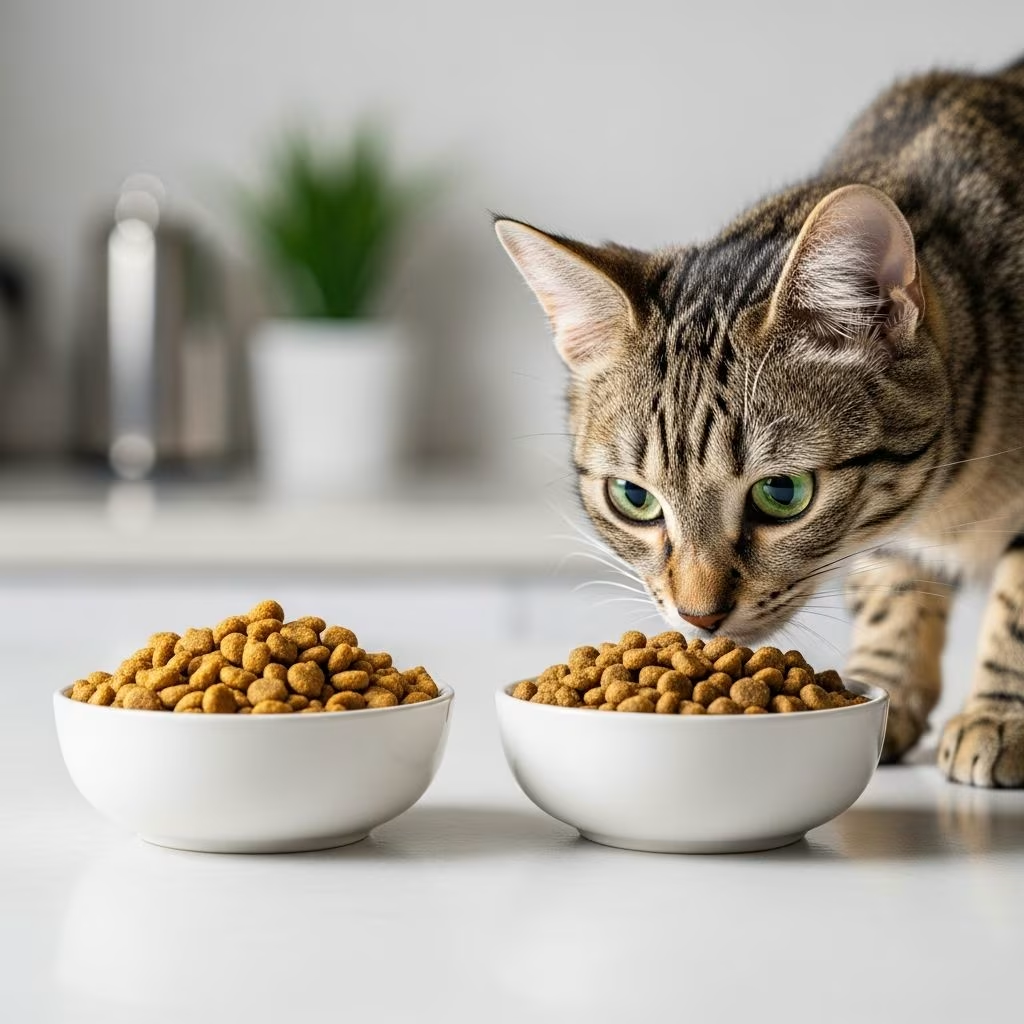
Switching your cat’s food requires a gradual approach over 7-10 days to prevent digestive upset like diarrhea or vomiting. Abrupt changes can shock a cat’s sensitive stomach, so mixing old and new food progressively allows adjustment to new flavors, textures, and nutrient levels.
This guide covers standard transitions, special cases like dry to wet food, tips for finicky cats, monitoring health, and when to consult a vet. Proper switching supports long-term nutrition without health risks.
Why You Should Never Abruptly Switch Cat Foods
Cats have delicate digestive systems evolved for consistent prey-based diets. Sudden food changes disrupt gut bacteria balance, leading to loose stools, gas, vomiting, or refusal to eat. High-fat new foods exacerbate issues, requiring longer transitions—double time if fat increases by 3% or more.
Gradual mixing lets enzymes adapt and microbiome stabilize. Veterinary nutritionists recommend 7-14 days minimum, extending to 40 days for sensitive cats. Slow switches also help picky eaters accept new tastes without stress.
Standard 7-10 Day Transition Schedule
Follow this proven schedule from experts like Purina and PetMD for same-type switches (e.g., dry to dry or wet to wet). Monitor stools: firm consistency signals readiness to advance.
| Days | Old Food | New Food |
|---|---|---|
| 1-2 | 75% | 25% |
| 3-4 | 50% | 50% |
| 5-7 | 25% | 75% |
| 8-10 | 0% | 100% |
Mix thoroughly to prevent selective eating. Feed 2-3 meals daily at set times, removing uneaten portions after 20-30 minutes. If stools soften, pause and extend the phase.
Transitioning Between Different Food Types
Switches between dry kibble, wet canned, and raw/freeze-dried demand extra care due to texture, moisture, and fat variances. Use extended timelines and tricks like warming food to enhance aroma.
Dry to Wet Food
Wet food’s stronger smell often appeals, but texture shift challenges some cats. 7 days suffices for most; mix or serve side-by-side.
| Days | Dry | Wet |
|---|---|---|
| 1-2 | 75% | 25% |
| 3-4 | 50% | 50% |
| 5-6 | 25% | 75% |
| 7 | 0% | 100% |
Warm wet food slightly for palatability. Note: full dry diets raise carb intake; balance if switching back.
Wet to Dry Food
Reverse transitions work similarly but may need moisture addition to dry kibble initially. Same 7-day table applies. Gradually reduce water to acclimate.
Dry or Wet to Raw/Freeze-Dried
Raw’s higher fat and novel texture require 14-28+ days. Direct kibble-to-raw risks refusal; intermediate wet step helps. Warm raw with water to boost scent.
| Days (Conservative) | Current | Raw |
|---|---|---|
| 1-9 | 75% | 25% |
| 10-19 | 50% | 50% |
| 20-27 | 25% | 75% |
| 28 | 0% | 100% |
Kibble to Wet for Kittens
For weaning kittens (4-12 months), crush kibble into wet or sprinkle atop. Factor total calories to prevent overfeeding. Play before meals stimulates appetite.
Tips for Cats Who Won’t Eat New Food
- Warm it up: Room-temperature or slightly warmed food releases more aroma, mimicking fresh prey.
- Enhance appeal: Add low-sodium tuna juice or kitten milk replacer temporarily (1-2 days max).
- Toppers and mixing: Sprinkle familiar favorites on new food; avoid free-feeding to encourage trial.
- Multiple bowls: Offer old and new separately if mixing fails, but monitor intake.
- Scheduled feeding: Remove access 12-24 hours pre-transition to heighten hunger, then follow schedule.
- Patience with pickiness: Early kitten exposure to variety eases adult switches.
If refusal persists beyond 3 days, reassess food choice or consult vet—stress or illness may underlie aversion.
Signs Your Cat’s Transition Isn’t Going Well
Watch for these red flags daily:
- Diarrhea, vomiting, or gas (pause transition).
- Lethargy, appetite loss >24 hours.
- Bloody stools, weight loss, or dehydration (emergency vet).
- Behavioral changes like hiding or aggression.
Stool check: Firm, formed = good; soft/watery = hold phase. Adjust pace based on response.
Reasons to Switch Your Cat’s Food
- Health needs: Prescription diets for urinary issues, allergies, or weight management.
- Age/life stage: Kitten to adult (8 weeks+), senior formulas post-7 years.
- Quality upgrade: Higher protein, fewer fillers for optimal nutrition.
- Availability: Discontinued products or travel.
- Preference: Boredom or texture variety.
Always match AAFCO standards; consult vet for medical switches.
When to Talk to Your Veterinarian
Seek professional advice if:
- Cat has chronic GI issues, diabetes, or kidney disease—may need custom plan.
- Transition fails after 2 weeks or symptoms worsen.
- Switching for therapeutic reasons (e.g., hydrolyzed protein for allergies).
- Kitten/puppy or pregnant/nursing cat involved.
Vets can recommend timelines or test for underlying conditions. AAHA notes cats’ sensitivity to form, odor, taste warrants patience.
Frequently Asked Questions (FAQs)
What is the best way to switch cat food?
Gradually over 7-10 days: 25% new on days 1-2, up to 100% by day 10, monitoring stools.
How long does it take to switch cat food?
7-10 days standard; 14-40 days for raw/high-fat or sensitive cats.
Can I switch my cat’s food cold turkey?
No—risks severe digestive upset. Always gradual.
What if my cat won’t eat the new food?
Warm it, add toppers, schedule feeds. If >48 hours, vet check.
Is wet food better than dry for transitions?
Wet eases raw switches due to moisture/texture similarity.
How do I switch kitten food?
Mix dry/wet post-weaning (4-12 months), calorie-control.
References
- Changing Cat Food: How to Transition Your Cat to New Food — Purina. 2023. https://www.purina.com/articles/cat/feeding/guides/changing-cat-food
- Switching Cat Foods: How to Transition a Cat’s Diet — Mud Bay. 2023. https://blog.mudbay.com/best-cat-diet/switching-cat-foods/
- How to Transition Cat Food — Blue Buffalo. 2023. https://www.bluebuffalo.com/articles/cat/what-you-should-know-about-switching-cat-food/
- Changing a Cat’s Food: How-To — PetMD. 2023. https://www.petmd.com/cat/nutrition/changing-cats-food-how-to
- How to change your cat’s food — Royal Canin US. 2023. https://www.royalcanin.com/us/cats/health-and-wellbeing/how-to-change-your-cats-food
- Tips and Timelines for Transitioning Your Pet to a New Food — AAHA. 2023. https://www.aaha.org/wp-content/uploads/globalassets/05-pet-health-resources/nutritionalresources/petparent/aaha-tips-and-timelines.pdf



