

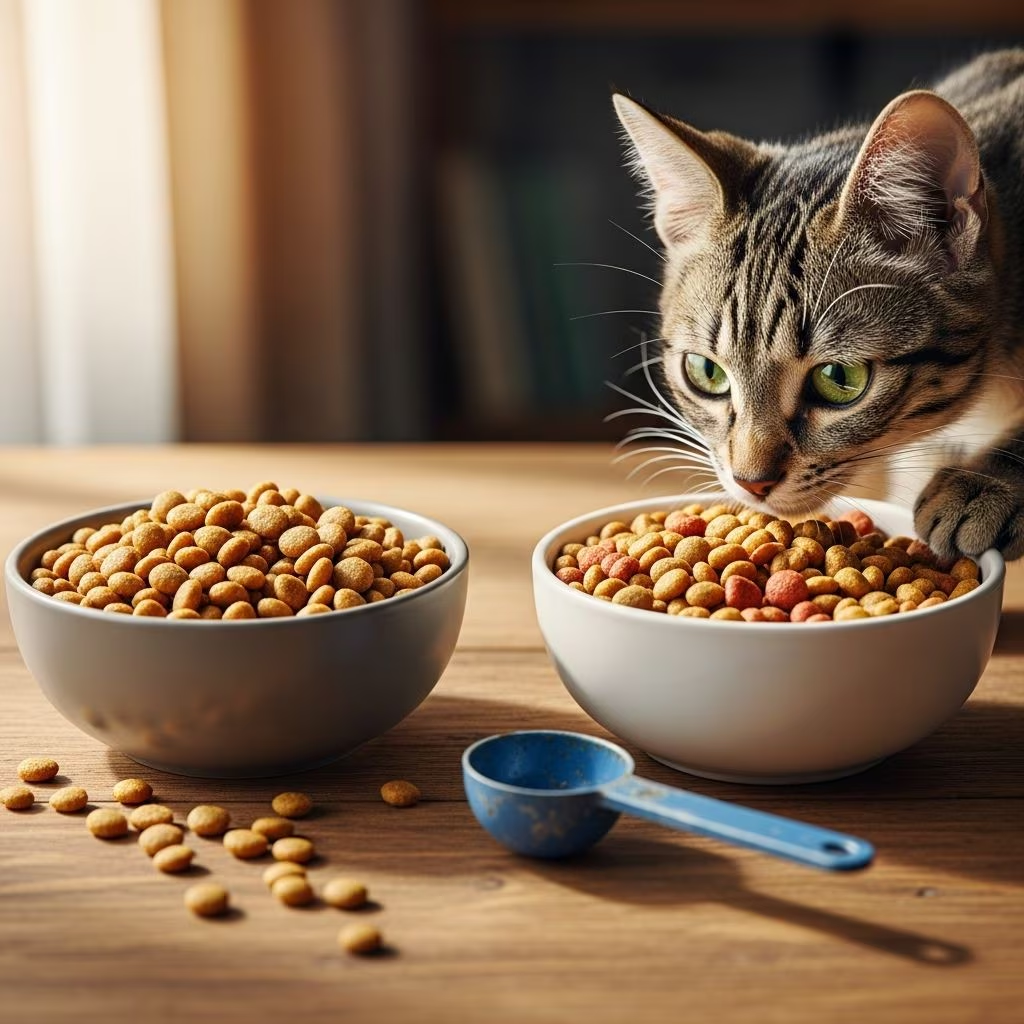
Switching your cat’s food requires a gradual approach to prevent digestive upset like diarrhea or vomiting while helping even the pickiest eaters adjust. This comprehensive guide outlines the step-by-step transition process, tips for finicky felines, health monitoring, and key considerations for kittens, seniors, and special diets.
Why Switch Your Cat’s Food?
Cats thrive on consistent nutrition, but there are compelling reasons to change their diet. You might upgrade to higher-quality ingredients free from fillers, byproducts, or artificial additives to support better health, shinier coats, and increased energy. Veterinary recommendations often prompt switches for medical conditions like urinary issues, allergies, or weight management. Age-related changes also play a role: kittens need growth-focused formulas until about one year old, while seniors benefit from joint-supporting or kidney-friendly foods.
Environmental factors, such as moving households or introducing new pets, can stress cats and alter appetites, making a dietary tweak beneficial. Whatever the reason, abrupt changes shock a cat’s sensitive digestive system, leading to refusal of food or gastrointestinal distress. A thoughtful transition ensures your cat adapts smoothly, maintaining their well-being.
The Safest Way to Transition Cat Food
The gold standard for switching cat food is a **7-10 day gradual transition**, allowing the gut microbiome to adjust without overload. This method mixes old and new foods incrementally, minimizing risks like soft stools, gas, or refusal to eat.
Follow this **proven schedule**:
- Days 1-3: 75% old food + 25% new food. Introduce the new flavor and texture gently.
- Days 4-6: 50% old food + 50% new food. Balance the mix thoroughly in one bowl.
- Days 7-9: 25% old food + 75% new food. Your cat should now prefer the new option.
- Day 10+: 100% new food. Monitor closely for full acceptance.
If digestive issues arise, extend each phase to 4-6 days or consult a vet for probiotics to support gut health. Consistency in feeding times and portions prevents overeating or stress during the switch.
Dealing with Picky Eaters
Cats are notorious for their preferences, often rejecting new foods due to scent, texture, or shape. Persistence and creativity turn refusals into enthusiasm.
Proven tricks to entice picky cats:
- Drizzle **tuna juice** or low-sodium broth over the kibble for an irresistible aroma.
- Mix in **wet food** with dry to add moisture and appeal—aim to coat, not top-load, to encourage full bites.
- Sprinkle **freeze-dried treats** like salmon or chicken for flavor bursts.
- Try **texture variations**: pâté for soft eaters, shreds or chunks for texture lovers.
- Warm the food slightly to enhance natural odors, mimicking fresh prey.
- Rotate flavors weekly post-transition to prevent boredom and expand palate.
For stubborn cases, slow the transition to 14-21 days or offer new food alone after 12 hours of fasting (water always available). Never force-feed, as it creates aversion.
Signs to Watch During the Transition
Monitor your cat daily for smooth adaptation. Common, mild signs like increased stool frequency often resolve, but persistent issues warrant action.
| Normal Adjustment | Warning Signs (Contact Vet) |
|---|---|
| Mild gas or softer stools (1-2 days) | Persistent diarrhea (>48 hours) |
| Slight appetite dip | Vomiting >2x/day |
| Increased thirst (if wet food switch) | Lethargy or refusal to eat >24 hours |
| Excited sniffing of new mix | Bloody stools or abdominal pain |
Track weight, energy, coat quality, and litter habits. Probiotics or fiber supplements can aid digestion if pre-approved by your vet.
Switching from Dry to Wet (or Vice Versa)
Moisture content differences demand extra caution. Dry-to-wet switches increase hydration, beneficial for urinary health, but can loosen stools initially. Wet-to-dry requires dental monitoring to prevent plaque buildup.
- Dry to Wet: Start with 25% wet portions; expect more frequent, softer poops. Use over 10-14 days.
- Wet to Dry: Gradually reduce moisture; add water to kibble initially for familiarity.
- Hybrid feeding (dry breakfast, wet dinner) offers balance post-transition.
Always match calorie needs to avoid weight fluctuations.
Special Considerations
Kittens
Switch from kitten to adult food around 12 months over 10 days. Kitten formulas are calorie-dense for growth; adult foods prioritize maintenance. Mix thoroughly to prevent selective eating.
Senior Cats
Aged 11+ cats may need lower-calorie, joint-supportive diets. Watch for arthritis limiting access to bowls—elevate feeders. Transitions take longer (14 days) due to slower digestion.
Health Conditions
Vet-prescribed diets for diabetes, IBD, or allergies require professional guidance. Never mix therapeutic foods without approval, as ingredients may interact adversely.
Multiple Cats
Feed separately during transition to prevent bullying or unequal intake. Use puzzle feeders for mental stimulation.
Choosing the Right New Food
Prioritize **AAFCO-approved** formulas meeting nutritional standards. Look for:
- Named meat as first ingredient (e.g., “chicken” not “poultry byproducts”).
- No carrageenan, excess grains if sensitive, or artificial colors.
- Balanced protein (30-40% dry matter), fats (15-20%), and species-appropriate carbs.
- Added taurine, omega-3s for heart/coat health.
Test small bags first. Grain-free suits some allergies but isn’t universally superior.
FAQs
What if my cat refuses the new food entirely?
Slow to 10% new food increments, use toppers, or fast 12-24 hours before offering solo. If >48 hours without eating, see vet.
Can I switch faster than 7 days?
Not recommended—risks severe GI upset. Healthy adults might tolerate 5 days; others need longer.
Is it okay to mix brands?
Yes, if compatible profiles. Check protein/fat similarities to avoid imbalances.
How do I know if the switch succeeded?
Shiny coat, firm stools, steady weight, enthusiasm at mealtime after 2 weeks.
Should I use probiotics during transition?
Vet-recommended strains like FortiFlora aid 80% of cats with mild upset.
References
- Our Guide to Switching Your Cat’s Food — Wellness Pet Food. 2017-03-02. https://www.wellnesspetfood.com/blog/our-guide-to-switching-your-cats-food/
- Feeding Your Cat — Cornell University College of Veterinary Medicine. 2017-10-16. https://www.vet.cornell.edu/departments-centers-and-institutes/cornell-feline-health-center/health-information/feline-health-topics/feeding-your-cat
- How to Transition a Cat to New Food — Adopt a Pet. N/A. https://www.adoptapet.com/blog/health/how-to-transition-cat-food



