

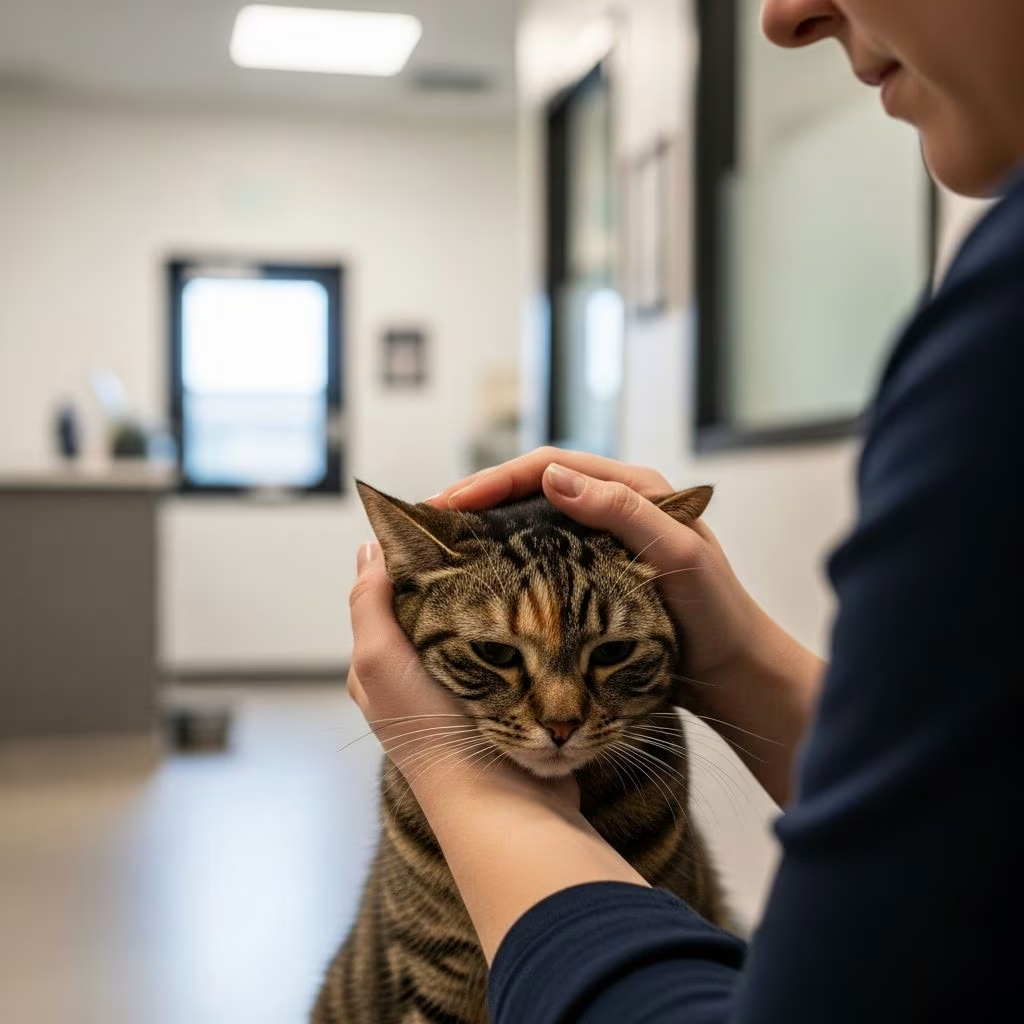
Surrendering a cat is an emotionally challenging decision that no pet owner makes lightly. Whether due to financial hardship, lifestyle changes, or behavioral challenges, understanding the process ensures your feline companion transitions to a safe environment. This guide outlines steps to explore alternatives first, select appropriate shelters, and complete the surrender responsibly, prioritizing your cat’s welfare throughout.
Why Do People Surrender Cats?
Common reasons for surrendering cats include allergies in the household, moving to pet-restricted housing, financial constraints covering veterinary care, or unexpected litters from unspayed cats. Behavioral issues like aggression or litter box avoidance also factor in, often stemming from stress or medical problems. Before proceeding, assess if these can be resolved through training or veterinary intervention, as shelters prioritize adoptable animals.
Statistics from animal welfare organizations highlight the shelter crisis: millions of cats enter U.S. shelters annually, with adult cats facing longer adoption waits. Owner surrenders contribute significantly, underscoring the need to exhaust personal rehoming efforts first.
Alternatives to Surrendering Your Cat
Before contacting a shelter, explore every option to keep your cat in a loving home. Many owners successfully rehome without shelter involvement, reducing stress on the cat and overcrowding facilities.
- Rehome Privately: Post on trusted platforms like Petfinder or local community groups, screening adopters thoroughly for compatibility. Provide full medical history and behavior insights to ensure a good match.
- Pet-Friendly Housing: Search for rentals allowing pets or negotiate with landlords. Temporary fostering through friends or family can bridge gaps during moves.
- Financial Aid: Seek low-cost vet clinics, food banks for pets, or assistance programs from rescues. Organizations like RedRover offer grants for emergencies.
- Behavior Support: Consult veterinarians or certified behaviorists for issues like scratching or aggression. Simple fixes like enriched environments often resolve problems.
These steps not only benefit your cat but also free up shelter space for strays and abused animals. If rehoming fails after diligent efforts, proceed to surrender options.
Finding the Right Place to Surrender Your Cat
Not all shelters accept surrenders immediately due to capacity limits. Research local options prioritizing no-kill facilities for better outcomes.
- No-Kill Shelters: These guarantee no euthanasia for space or time, ideal for healthy cats. Search ‘no-kill cat shelters near me,’ call ahead for openings, and visit to assess cleanliness, adoption promotion, and adopter screening.
- Original Adopter Returns: If adopted from a rescue like Town Cats, contact them first—they prioritize returns but may have waitlists.
- County Animal Controls: Municipal shelters like Oakland or Silicon Valley Animal Control accept residents’ pets case-by-case, often with fees and evaluations.
- Rescues and SPCAs: Groups like East Bay SPCA require proof of ownership and may offer counseling before intake.
Always inquire about wait times, behavioral assessments, and post-surrender updates if possible. Avoid open-door drop-offs, as they risk legal penalties under laws like California Penal Code 597s prohibiting animal abandonment.
Step-by-Step Guide: How to Surrender a Cat to a Shelter
Follow these structured steps to ensure a smooth process:
- Research and Contact: Identify 5-10 facilities, call or submit online applications detailing your cat’s age, health, behavior, and vaccination status.
- Prepare Documentation: Gather vet records, microchip info, spay/neuter proof, and photos. This aids quick assessment.
- Schedule Appointment: Most require bookings; arrive with proof of ownership and fees (typically $50-$150, higher for unsterilized cats).
- Behavioral and Health Check: Expect evaluations—friendly, healthy cats are prioritized; issues may lead to referrals or denial.
- Handover: Provide supplies like food, litter, and toys. Say goodbye calmly to minimize stress.
The process takes 30-60 minutes. Post-surrender, shelters may share adoption progress if you provide contact info.
Surrendering Kittens or Litters
Finding motherless kittens? Confirm true abandonment—mothers often leave briefly to hunt. If needed:
- Contact vets for feeding advice (kitten milk replacer every 2-3 hours for neonates).
- Reach bottle-feeding rescues or fosters via local networks.
- Surrender only after stabilizing; shelters rarely accept unweaned kittens without space.
Prioritize TNR (Trap-Neuter-Return) for ferals through community programs.
What About Cats with Special Needs or Behavior Problems?
Aggressive or fearful cats face adoption challenges in shelters, where stress exacerbates issues. Instead:
| Issue | Solution Before Surrender | Shelter Considerations |
|---|---|---|
| Aggression | Vet check for pain; behaviorist consult; medication trials. | May label ‘unadoptable,’ risking euthanasia. |
| Litter Box Issues | Medical exam (UTI common); multi-cat interventions. | Declined if unresolved. |
| Senior/Sick Cats | Hospice fosters or sanctuaries. | Evaluated for treatability. |
Honesty with shelters is key; many offer resources or rural farm homes for ‘working cats.’
Costs Associated with Surrendering a Cat
Expect fees to offset care costs:
- Base: $50-$150 per cat.
- Add-ons: +$50-$100 for unspayed/unvaccinated.
- Proof of Residency: Required for county shelters.
Waivers rare; fees fund spaying, vaccines, and food amid high intake volumes.
Legal Considerations When Surrendering a Cat
Illegal dumping carries fines or jail time (e.g., CA Penal Code 597s). Always use official channels with receipts. Provide accurate history to avoid liability for undisclosed bites or illnesses.
After Surrender: What Happens to My Cat?
Cats undergo quarantine, vet exams, spaying if needed, and behavioral tests. Adoptable ones enter programs with photos and bios online. Outcomes vary: no-kill guarantees life, others may euthanize for space/severity. Follow-up via shelter portals if offered.
Frequently Asked Questions (FAQs)
Can I surrender my cat immediately without an appointment?
No, most facilities require scheduling due to capacity; emergencies email surrender contacts.
Do shelters take cats with FIV or FeLV?
Many do, placing in foster or special adoption programs if manageable.
What if my cat was adopted from another shelter?
Contact the original first—they often prioritize returns.
Is there a fee to surrender a cat?
Yes, typically $50-$150 to cover intake costs.
Can I visit my cat after surrender?
Rarely, due to disease control; ask about updates.
What about feral cats?
Use TNR programs, not surrenders.
This comprehensive approach ensures responsible pet ownership. If possible, commit to lifelong care—cats thrive with stability.
References
- Surrender – Town Cats — Town Cats of Morgan Hill. Accessed 2026. https://www.towncats.org/surrender/
- How to Surrender Your Cat: A Comprehensive Guide — Petfinder. Accessed 2026. https://www.petfinder.com/adopt-or-get-involved/animal-shelters-rescues/animal-advocacy/how-to-surrender-a-cat/
- Surrender an Animal — City of Oakland, CA (Official Government Site). Accessed 2026. https://www.oaklandca.gov/Community/Pets-Animals/Animal-Control-Division/Surrender-an-Animal
- Animal Surrender — Silicon Valley Animal Control Authority. Accessed 2026. https://www.svaca.com/services/animal-surrender
- Surrendering Your Pet — Contra Costa County, CA Official Website (.gov). Accessed 2026. https://www.contracosta.ca.gov/6090/Pet-Admissions-Process-Surrendering-Your



