

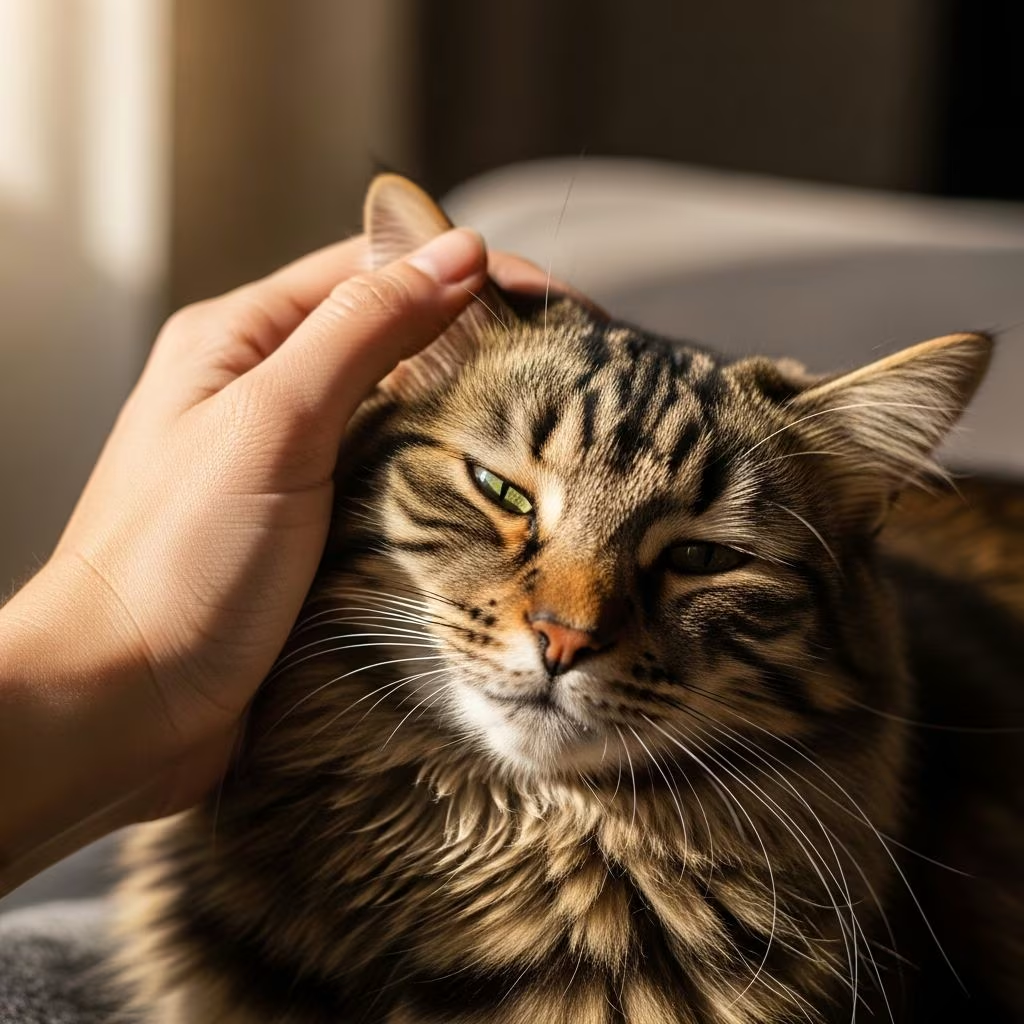
Stroking your cat is one of the most rewarding ways to bond, but doing it right requires understanding their preferences and signals. Cats are independent creatures that appreciate gentle, respectful touch on their terms. This guide covers everything from approach techniques to reading body language, ensuring both you and your cat enjoy the interaction.
Why Stroking Cats Correctly Matters
Cats aren’t inherently as tactile as dogs; many tolerate petting for the benefits like food and attention rather than pure enjoyment. Research shows improper stroking, especially on sensitive areas, can trigger negative responses. Providing choice and control builds trust and strengthens your relationship. Always prioritize the cat’s comfort to avoid scratches or stress.
Gentle stroking releases endorphins in cats, mimicking grooming from their mother or peers. Done wrong, it can lead to overstimulation or aggression. By following structured approaches like the CAT acronym—Choice, Attention to body language, and Touching the right spots—you ensure positive experiences.
How to Approach and Stroke a Cat Properly
The key to successful stroking starts with invitation, not imposition. Never corner or surprise a cat, as this heightens stress and invites defensive reactions. Here’s a step-by-step guide:
- Approach slowly and calmly: Speak in a soft, soothing voice while moving deliberately. Ensure the cat has an escape route to feel secure.
- Offer your hand for sniffing: Extend your fingers loosely at nose level. If the cat rubs its face against it, they’re receptive—proceed. No rub means wait or walk away.
- Start with gentle strokes: Use light pressure, stroking in the direction of the fur growth. Begin at the head, moving towards the shoulders or back.
- Pause frequently: Every 3-5 seconds, stop and check. If they lean in, purr, or re-initiate contact (head-butting your hand), continue. Otherwise, end the session.
This method respects the cat’s autonomy, reducing the risk of bites or swats. Short, frequent interactions (little and often) are preferred over long sessions for most cats.
Best Places to Stroke a Cat
Not all body parts are equal when petting cats. Focus on social scent-gland areas they groom mutually with others. Avoid vital or sensitive zones unless specifically invited.
| Preferred Areas | Why Cats Like It | Technique |
|---|---|---|
| Cheeks and face | Scent glands; mimics social rubbing | Gentle scratches or strokes with fingertips |
| Under chin | High enjoyment; easy access | Slow, circular motions |
| Base of ears | Sensitive pleasure spots | Light rubbing |
| Top of head to shoulders | Comforting, non-threatening | Smooth, full-hand strokes |
| Upper back | Relaxed extension from head | Gentle, fur-direction strokes |
Areas to avoid or approach cautiously:
- Belly: Vulnerable organs; often leads to defensive grabs.
- Base of tail/lower back: Can cause overstimulation; watch for twitching skin or aggression.
- Legs, paws, tail: Highly sensitive; only if cat explicitly solicits.
Every cat is unique—some love back scratches, others prefer face-only. Always adapt based on their feedback.
Understanding Cat Body Language While Stroking
Reading signals prevents overstimulation. Positive cues encourage continuation; negative ones demand immediate stops.
Signs Your Cat Enjoys Stroking
- Purring, slow blinking, or kneading paws.
- Leaning into your hand or raising hindquarters.
- Vertical tail (not thrashing), relaxed ears forward.
- Rubbing against you or head-butting for more.
Warning Signs to Stop Immediately
- Dilated pupils or flattened ears: Arousal turning to irritation.
- Skin rippling or twitching on back: Classic overstimulation.
- Tail thrashing low or swishing rapidly: Frustration building.
- Head shaking, nose licking, or sudden grooming: Discomfort signals.
- Pawing at your hand, biting, or vocalizing sharply: Clear ‘enough!’
When in doubt, pause. A still cat that stops purring or moving away is politely saying they’re done. Respecting these cues fosters trust.
Common Stroking Mistakes and How to Avoid Them
Even well-meaning owners err. Here’s what not to do:
- Patting instead of stroking: Too rough; use smooth glides.
- Stroking against the fur: Irritating; always follow growth direction.
- Ignoring pauses: Leads to overload; check every few strokes.
- Forcing belly rubs: Invites attacks; wait for invitation.
- Petting during stress: Amplifies fear; give space.
Avoid vigorous rubs or long sessions initially. Build tolerance gradually with positive associations.
When NOT to Stroke Your Cat
Timing is crucial. Cats set boundaries clearly:
- Eating, sleeping, or using litter box: Interruptions cause resentment.
- Playing or hunting: High arousal; redirect gently later.
- Hiding or in quiet spots: Signals need for solitude.
- Scared, painful, or ill: Touch increases stress; seek vet help first.
Let the cat initiate post-meal or nap for best results. Observe routines to predict receptive moods.
Special Considerations for Different Cats
Kittens learn from mothers, so early handling shapes preferences. Rescues or ferals may need slower acclimation—use treats or toys first. Seniors or those with arthritis prefer gentler, shorter sessions on favored spots. Multi-cat homes require individual reading, as personalities vary widely.
Building a Stroking Routine
Consistency pays off. Daily short sessions (5-10 minutes) in calm environments reinforce bonds. Pair with treats or play for positivity. Over time, your cat may solicit more, deepening affection.
Frequently Asked Questions (FAQs)
What if my cat suddenly bites during stroking?
Slowly withdraw your hand calmly without punishment. Give space; it signals overstimulation. Resume later with shorter sessions focusing on face only.
Why does my cat roll over—should I rub the belly?
Rolling shows trust but rarely invites belly rubs. Pet head or sides instead; full belly exposure often precedes attack.
How long should I stroke my cat?
Follow their lead—usually 30 seconds to 5 minutes. Little and often beats marathon sessions.
My cat hates being touched—what now?
Build trust via play, feeding by hand. Offer finger for sniffing daily without forcing. Patience wins.
Can stroking reduce my cat’s stress?
Yes, when done right. It mimics grooming, releasing calming pheromones. Wrong way increases anxiety.
References
- International Cat Care: How to Touch and Stroke a Cat — International Cat Care and Ceva. 2017. https://www.youtube.com/watch?v=Au-TdY3GZ8I
- Why you’re probably stroking your cat completely wrong — BBC Science Focus Magazine (Dr. Lauren Finka, Nottingham Trent University). 2023. https://www.sciencefocus.com/nature/how-to-stroke-a-cat
- How to pet a cat — Cats Protection (UK registered charity). 2024. https://www.cats.org.uk/cats-blog/how-to-pet-a-cat
- How to stroke a cat and interact with them — Battersea Dogs & Cats Home (UK charity). 2023. https://www.battersea.org.uk/pet-advice/cat-advice/how-stroke-cat-and-interact-them
- How To Pet a Cat Correctly — PetMD (Veterinary partner network). 2024. https://www.petmd.com/cat/general-health/how-to-pet-cat



