

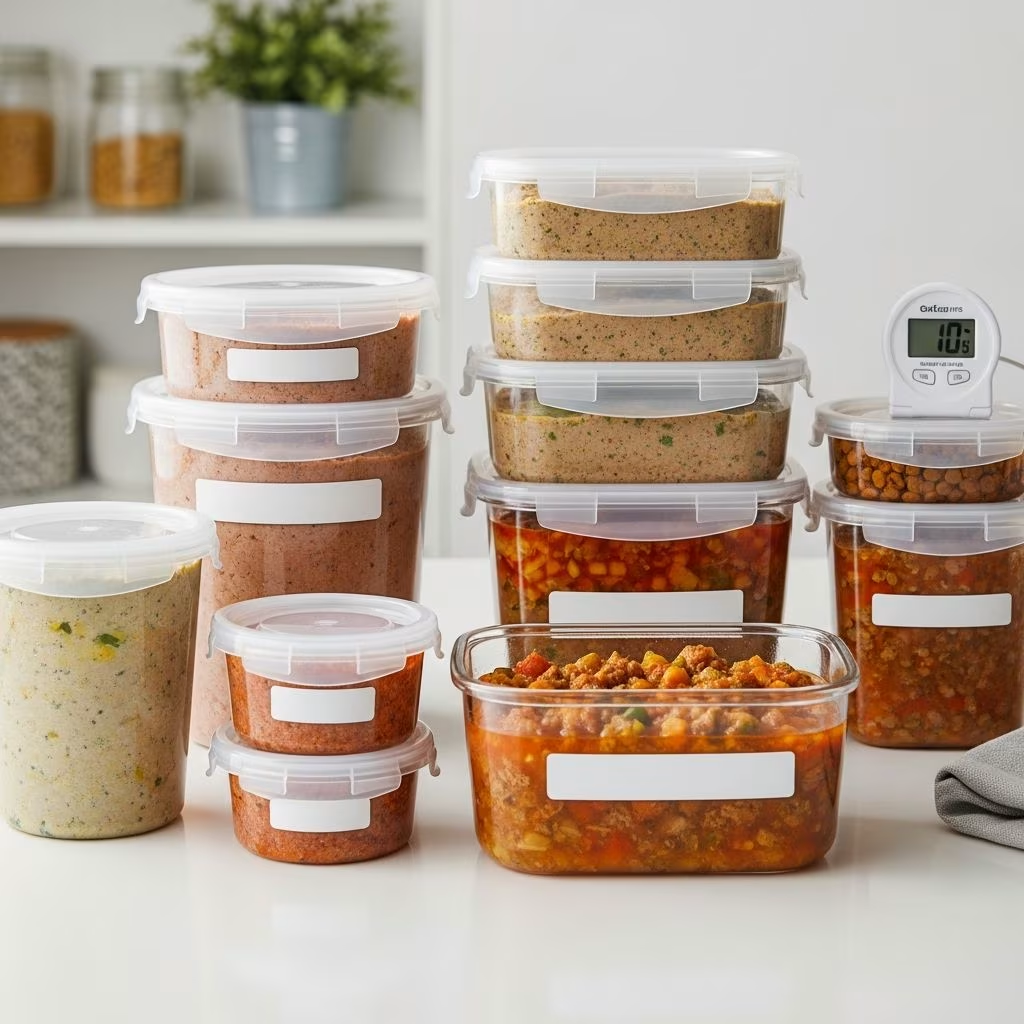
How to Store Homemade Cat Food: Complete Storage Guide
Preparing homemade cat food is an excellent way to ensure your feline companion receives nutritious, high-quality meals tailored to their specific dietary needs. However, the challenge doesn’t end once you’ve prepared the food—proper storage is crucial to maintaining its nutritional value, freshness, and safety. Whether you’re preparing meals in bulk or making smaller batches, understanding the best storage methods will help you keep your cat’s food fresh and safe for consumption.
The 4 Best Ways to Store Homemade Cat Food
1. Freezing: The Gold Standard for Long-Term Storage
Freezing is widely considered the best method for long-term storage of homemade cat food. This approach offers exceptional preservation capabilities, allowing your prepared meals to remain fresh and nutritious for extended periods. The freezing process significantly slows down bacterial growth and degradation, making it an ideal solution for those who prefer to prepare meals in bulk.
One of the primary advantages of freezing is its convenience and ease of implementation. You can prepare large batches of homemade cat food and freeze them without requiring special equipment or complicated processes. Most homemade cat food recipes freeze exceptionally well, maintaining their nutritional integrity throughout the storage period.
When freezing homemade cat food, aim not to prepare more than four months’ worth at one time. While food can technically last longer, the nutritional quality tends to diminish over time. Vacuum-sealed foods can be kept in the freezer for up to six months without significant concern about nutritional value loss. Some food formulations may last even longer when properly vacuum-sealed, though this depends heavily on the specific recipe and ingredients used.
The freezing method also allows for flexible meal planning and purchasing. You can prepare meals when it’s convenient and store them until needed, eliminating the stress of daily food preparation and enabling you to take advantage of bulk purchases or ingredient sales.
2. Refrigeration: Ideal for Short-Term Storage
Refrigeration provides an excellent alternative for short-term storage of homemade cat food. The concept is straightforward—lowering the storage temperature preserves food by slowing bacterial growth and degradation. While refrigeration doesn’t offer the extended preservation of freezing, it provides distinct advantages in other areas.
One significant benefit of refrigeration is that food doesn’t require thawing before serving to your cat. You can simply scoop out a portion and serve it immediately at near room temperature or slightly chilled. This convenience is particularly valuable for cats that prefer their food at specific temperatures or for owners with busy schedules.
Another advantage is that refrigeration better preserves the moisture content of food compared to freezing. For cats that struggle with dehydration or have specific health conditions requiring higher moisture intake, refrigerated homemade food can be superior to frozen alternatives.
Food stored in standard airtight containers in the refrigerator typically lasts about three to five days at most. This timeframe makes refrigeration best suited for smaller batches or for storing only the portions you plan to use within the next few days. Always ensure refrigerated homemade cat food is properly covered to prevent contamination and to maintain freshness.
3. Vacuum Sealing: Enhanced Preservation Method
Vacuum sealing represents a significant advancement in food storage technology, offering substantially improved preservation compared to conventional containers. When you vacuum-seal homemade cat food and refrigerate it, the food can last one to two weeks, compared to just three to five days in regular airtight containers. This extended shelf life makes vacuum sealing an excellent intermediate option between simple refrigeration and freezing.
Vacuum-sealed foods can also remain in the pantry for three to five times longer than food stored in conventional bags or containers, making this method versatile for various storage situations. The process removes air from the package, which significantly slows oxidation and bacterial growth.
An additional advantage of vacuum-sealed bags is that many are resealable, allowing you to portion your cat’s meals conveniently. You can divide your homemade food into meal-sized portions within the same bag, providing flexibility without requiring multiple containers. This reusability makes vacuum sealing more space-efficient than individually wrapped frozen meals.
Vacuum sealing can be combined with freezing or refrigeration for even greater preservation benefits. When you vacuum-seal food and then freeze it, you can extend storage to up to six months while maintaining nutritional quality. The primary drawback is the initial investment in vacuum-sealing equipment, though this cost is typically recovered through food savings and waste reduction over time.
4. Air-Tight Containers: Basic Short-Term Storage
While the previous three methods are superior, air-tight containers remain a viable option for short-term storage of homemade cat food. These containers work best when refrigerated and should only be used for food you plan to serve within three to five days. Air-tight containers are convenient, affordable, and widely available in various sizes.
The key to success with air-tight containers is ensuring they’re properly sealed to prevent air exposure, which can degrade food quality. Always store containers in the coldest part of your refrigerator, typically the back or lower shelves. Never leave air-tight containers at room temperature, as this significantly reduces how long the food remains safe for consumption.
Proper Containers for Freezing Homemade Cat Food
Selecting appropriate containers is essential for successful homemade cat food storage. The right container choice depends on your freezing method, portion sizes, and storage space availability. Here are the most effective options:
Baking Trays and Sheets
Baking trays and sheets are popular choices among cat food preparers because they offer complete flexibility in portion sizing. You can arrange your homemade cat food in patty shapes on the tray, ensuring each patty represents exactly one meal’s worth of food. This method allows you to customize portion sizes based on your individual cat’s dietary requirements.
Once the food is frozen solid on the baking tray, transfer the patties into freezer-safe containers such as plastic bags or containers for compact storage. This two-step process maximizes your freezer space while maintaining portion control. Baking trays work particularly well for chunky food preparations or meat-based formulations.
Ice Cube Trays, Silicon Trays, and Muffin Tins
Ice cube trays, silicon trays, and muffin tins are excellent options for creating uniform, bite-sized portions of homemade cat food. These containers offer convenience and ease of use, making them ideal for busy pet owners. They’re particularly useful for kittens or cats requiring smaller meal portions.
The main limitation of these containers is that portion sizes are predetermined by the tray compartments, making them less flexible for cats with varying caloric needs. However, they’re incredibly easy to use and perfect for creating multiple frozen portions simultaneously. After freezing, transfer the frozen portions into labeled freezer bags or containers for efficient storage.
Freezer-Safe Bags and Containers
Dedicated freezer-safe bags and plastic containers are essential for long-term storage. Once you’ve prepared your portions on baking trays or in ice cube trays and they’re frozen solid, transfer them to freezer-safe bags or containers. These options are space-efficient, stackable, and help prevent freezer burn.
Label all containers and bags with the preparation date and content to ensure you use the oldest portions first. Proper labeling also helps you keep track of how long food has been frozen and ensures compliance with the four-month guideline for maintaining optimal nutritional value.
Containers for Refrigerated Homemade Cat Food
When storing homemade cat food in the refrigerator, container selection is simpler than for freezing, but still important. You can use practically any refrigerator-safe container with a secure cover. Options include:
- Plastic wrap placed over a bowl or plate
- Glass or plastic containers with fitted lids
- Airtight containers designed for food storage
- Glass canning jars with sealed lids
Airtight containers are generally recommended because of their ease of use, multiple size options, and durability. Most quality airtight containers are microwave-safe and dishwasher-safe, adding to their convenience. Ensure containers are completely sealed before refrigeration to prevent premature spoilage and contamination.
Thawing Homemade Cat Food Safely
Properly thawing frozen homemade cat food is just as important as proper freezing. There are several safe methods to thaw your cat’s food:
Refrigerator Thawing
The safest method is thawing food in the refrigerator overnight. Simply move the frozen portion to the refrigerator and allow it to thaw slowly at controlled temperatures. This method prevents bacterial growth and maintains food safety. Plan ahead to ensure thawed food is ready when needed.
Cold Water Thawing
If you need quicker thawing, place the frozen portion in a sealed bag and submerge it in cold water. Change the water every 30 minutes to maintain a safe temperature. This method generally works faster than refrigerator thawing while still maintaining food safety. The food will gradually warm to room temperature, making it ready for serving without cooking.
Microwave Thawing
Microwave thawing is the fastest option but requires careful attention. Follow your microwave manufacturer’s recommendations for defrosting food, as different products have different settings and power levels. Thaw on low power settings to avoid overheating and potential nutritional degradation. Use microwave thawing only when time is limited, as it’s less reliable than other methods.
Never thaw homemade cat food at room temperature, as this allows rapid bacterial growth and compromises food safety.
Storage Timeline and Nutritional Considerations
Understanding how long homemade cat food maintains its nutritional value is essential for proper storage planning:
- Freezer Storage: Up to 6 months for vacuum-sealed foods; up to 4 months for optimal nutritional value
- Refrigerator Storage (Vacuum-Sealed): 1-2 weeks
- Refrigerator Storage (Airtight Containers): 3-5 days
- Pantry Storage (Vacuum-Sealed): 3-5 times longer than conventional containers
The quality of food gradually deteriorates over time, even in optimal storage conditions. For this reason, aim to prepare no more than four months’ worth of homemade cat food at once. This ensures your cat receives food at peak nutritional value while preventing waste.
Best Practices for Homemade Cat Food Storage
Implementing these best practices will maximize the freshness and safety of your homemade cat food:
- Always label containers with preparation date and contents
- Use the “first in, first out” method to rotate stock appropriately
- Store food in the coldest parts of your freezer or refrigerator
- Keep storage containers clean and sanitized before use
- Never mix old and new batches in the same container
- Inspect food before serving for any signs of spoilage or freezer burn
- Combine storage methods for optimal results—freeze bulk portions and refrigerate current-week meals
- Consider portion size relative to your cat’s daily intake to minimize waste
Common Storage Mistakes to Avoid
Understanding what not to do is just as important as knowing the correct methods. Avoid these common mistakes:
- Inadequate Sealing: Improper sealing allows air exposure and freezer burn, degrading food quality
- Exceeding Four-Month Preparation: Making more than four months’ worth reduces nutritional value of older portions
- Ignoring Temperature Control: Storing at improper temperatures accelerates spoilage
- Cross-Contamination: Mixing old and new food can introduce bacteria or cause premature spoilage
- Poor Labeling: Unlabeled containers make it impossible to track storage duration
- Using Non-Food-Grade Containers: Unsuitable containers can leach chemicals into food
Frequently Asked Questions About Homemade Cat Food Storage
Q: How long can I store homemade cat food in the freezer?
A: Vacuum-sealed homemade cat food can be kept in the freezer for up to 6 months without significant nutritional value loss. However, it’s best to prepare no more than 4 months’ worth at a time for optimal nutritional quality. After 4 months, food quality gradually deteriorates even in freezing conditions.
Q: Can I store homemade cat food at room temperature?
A: No, homemade cat food should never be stored at room temperature for extended periods. Room temperature storage allows rapid bacterial growth and compromises food safety. Always refrigerate or freeze homemade cat food immediately after preparation.
Q: What’s the best way to thaw frozen cat food?
A: The safest method is thawing in the refrigerator overnight. Cold water thawing is a faster alternative—seal the food in a bag and submerge in cold water, changing the water every 30 minutes. Microwave thawing is fastest but requires careful attention to manufacturer recommendations.
Q: Is vacuum sealing worth the investment for cat food storage?
A: Yes, vacuum sealing is typically worth the investment. It extends refrigerator storage from 3-5 days to 1-2 weeks and allows freezer storage up to 6 months. Resealable vacuum bags also save space and reduce waste, recovering the equipment cost over time.
Q: How should I portion homemade cat food for freezing?
A: Use baking trays to create meal-sized patties that match your cat’s daily requirements, then transfer frozen portions to storage containers. Alternatively, use ice cube trays or muffin tins for smaller portions. Always label portions with preparation date and portion size.
Q: Can I combine freezing with vacuum sealing?
A: Absolutely. Combining methods—vacuum sealing before freezing—provides maximum preservation benefits. This combination extends storage to 6 months while maintaining superior nutritional quality.
Q: What should I do if I notice my frozen cat food has freezer burn?
A: While mild freezer burn is primarily a quality issue rather than a safety concern, it indicates ice crystal formation that affects texture and taste. Discard heavily freezer-burned portions. Prevent freezer burn by ensuring proper sealing and maintaining consistent freezer temperatures.
References
- How to Store Homemade Cat Food: Our Vet Answers! — Catster. https://www.catster.com/ask-the-vet/how-to-store-homemade-cat-food/
- How to properly store cat food — Catit. https://www.catit.com/spotlight/how-to-properly-store-cat-food/
- How to Keep Cat Food Fresh for Longer — Cats.com. https://cats.com/keep-cat-food-fresh-for-longer



