

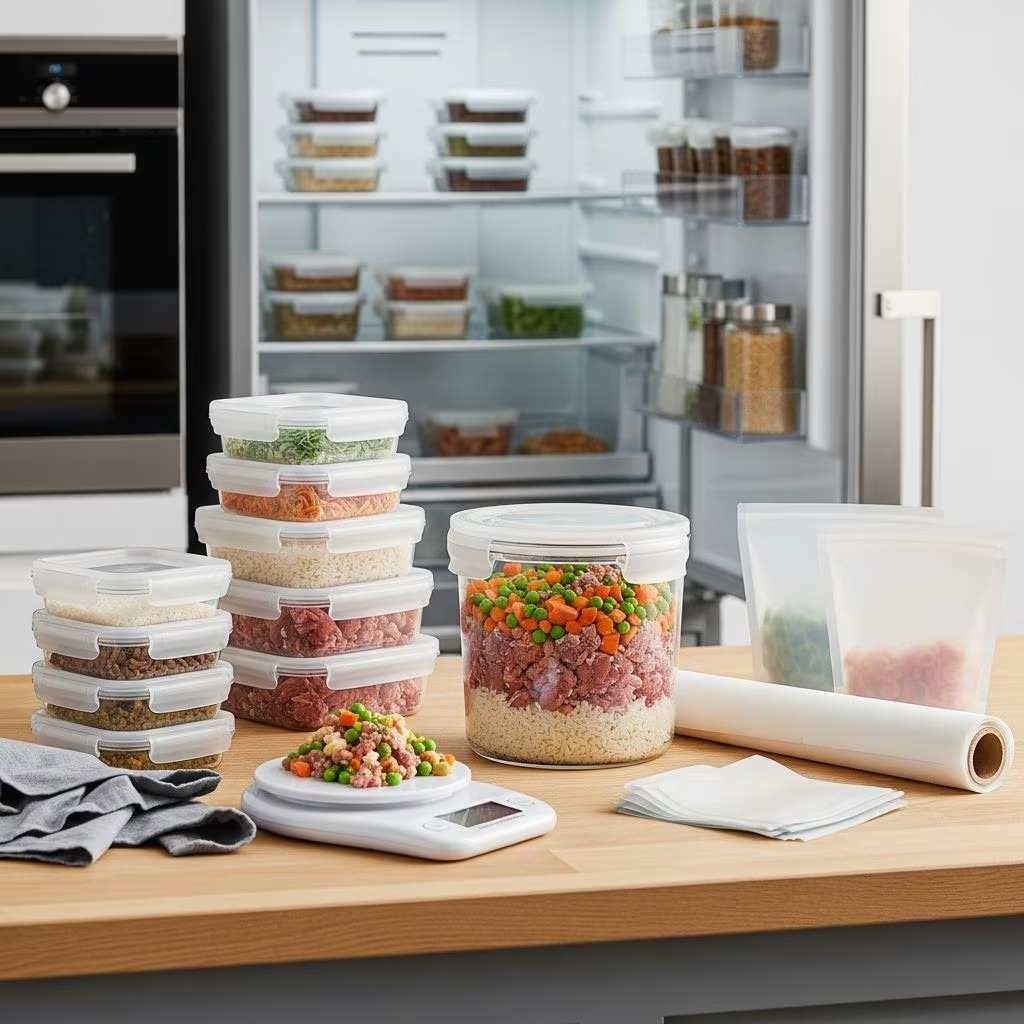
How To Store Fresh Dog Food: A Complete Guide
Fresh dog food provides optimal nutrition for your canine companion, but proper storage is essential to maintain its quality and protect your dog’s health. Unlike traditional dry kibble or canned options, fresh dog foods require special attention to ensure they remain safe and nutritious throughout their shelf life. Understanding the different storage methods for various types of fresh dog food will help you maximize the benefits of this premium nutrition option.
Complete and balanced fresh dog foods come in several forms, each with unique storage requirements. Whether you’re purchasing frozen, refrigerated, shelf-stable, or dried varieties, following the correct storage procedures will help preserve the food’s nutritional integrity and keep your pet safe from potential contamination.
Types of Fresh Dog Food and Storage Methods
Fresh dog food manufacturers offer several storage options to suit different lifestyles and preferences. Each type requires specific handling to maintain quality and safety.
Frozen Fresh Dog Food
Frozen fresh dog food is shipped with dry ice in insulated packaging to maintain its frozen state during delivery. This preservation method allows the food to retain its nutritional content and fresh qualities over an extended period.
Store frozen fresh dog food in your freezer at approximately 0°F until the best-if-used-by date printed on the packaging. When you’re ready to feed your dog, transfer the food from the freezer to the refrigerator about 24 hours before serving. This gradual thawing process helps maintain the food’s quality and prevents bacterial growth that can occur with rapid temperature changes.
Once thawed, keep the food in the refrigerator and use it within one week. Do not refreeze thawed dog food, as this can compromise nutritional value and create food safety risks.
Refrigerated Fresh Dog Food
Some manufacturers offer fresh dog food in refrigerated form, eliminating the need for freezing. These products arrive ready for storage in your refrigerator, providing convenience for pet owners who prefer not to manage frozen items.
Store unopened refrigerated fresh dog food packages in your refrigerator at approximately 37°F until the sell-by date listed on the label. Once you open the package, use all the food within one week to ensure safety and nutritional quality. Leaving opened packages in the refrigerator longer than this period increases the risk of bacterial growth and spoilage.
Shelf-Stable Fresh Dog Food
Shelf-stable fresh dog food is specially processed to remain safe without refrigeration or freezing, making it an excellent option for convenient storage. These products maintain their nutritional value and safety when stored in appropriate conditions.
Keep unopened shelf-stable fresh dog food in its original packaging in a cool, dark, and dry location—such as a pantry or cabinet—where temperatures remain below 80°F. Store until the best-if-used-by date on the package. Once you open the package, refrigerate any uneaten food immediately, sealing the bag as tightly as possible. Some manufacturers recommend using opened shelf-stable fresh dog food within three days, while others allow up to one week in the refrigerator. Always follow the specific instructions on your product’s label.
Dried Fresh Dog Food
Air-dried, freeze-dried, and dehydrated dog foods represent another category of fresh food options. These products have had moisture removed through specialized processes, extending their shelf life while preserving nutritional content.
Store dried fresh dog food in its original packaging in a cool, dark, and dry location where temperatures stay below 80°F. After removing a meal-size portion for your dog, reseal the packaging while removing as much air as possible, then return it to your pantry or cabinet. This approach minimizes air exposure and helps maintain the food’s quality until the best-if-used-by date.
Key Storage Guidelines by Type
| Food Type | Storage Temperature | Storage Location | Duration (Unopened) | Duration (Opened) |
|---|---|---|---|---|
| Frozen Fresh | ~0°F | Freezer | Until best-if-used-by date | 1 week in refrigerator after thawing |
| Refrigerated Fresh | ~37°F | Refrigerator | Until sell-by date | 1 week in refrigerator |
| Shelf-Stable Fresh | Below 80°F | Pantry/Cabinet | Until best-if-used-by date | 3-7 days in refrigerator |
| Dried Fresh | Below 80°F | Pantry/Cabinet | Until best-if-used-by date | Follow package instructions |
Essential Tips for Keeping Fresh Dog Food Fresh
Maintaining the quality of fresh dog food requires attention to several important practices:
Maintain Original Packaging
Keep fresh dog food in its original packaging whenever possible. The packaging is specifically designed to preserve freshness and protect the food from environmental factors. When you need to reseal an opened package, do so as tightly as possible to minimize air exposure. Removing as much air as possible before resealing helps prevent oxidation and maintains nutritional value.
Purchase Strategic Expiration Dates
When buying fresh dog food, select products with best-if-used-by or sell-by dates as far in the future as possible. This strategy provides you with more flexibility in your feeding schedule and reduces the risk of the food expiring before you use it.
Practice Proper Bowl Hygiene
Wash bowls used for fresh dog food immediately after each meal. This practice prevents the buildup of bacteria, mold, and fungi that can contaminate remaining food particles and potentially make your dog sick. Regular cleaning maintains a sanitary feeding environment and reduces the risk of foodborne illness.
Inspect Food Before Serving
Before feeding fresh dog food to your pet, examine it carefully for signs of spoilage. Discard any food that appears discolored, has an off odor, or shows visible mold or contamination. Trust your senses—if something looks or smells wrong, it’s better to be safe and throw it out.
Follow Label Instructions
Always read and follow the specific storage instructions printed on your fresh dog food’s label. Different manufacturers may have varying recommendations based on their processing methods and ingredients. These instructions are developed to ensure optimal food safety and nutritional integrity.
Storage Location Considerations
The location where you store fresh dog food significantly impacts its longevity and nutritional value. Choose storage areas that are consistently cool, dark, and dry. Avoid areas with temperature fluctuations, high humidity, or direct sunlight, as these factors can accelerate spoilage and nutrient degradation.
For frozen foods, ensure your freezer maintains a consistent temperature around 0°F. For refrigerated items, keep your refrigerator at approximately 37°F. For shelf-stable and dried foods, select a pantry, cabinet, or closet away from heat sources, moisture, and direct light.
Common Mistakes to Avoid
Understanding what not to do is just as important as knowing proper storage techniques. Avoid leaving opened fresh dog food packages exposed to air and moisture. Don’t refreeze thawed fresh dog food, as this creates food safety risks. Never store fresh dog food in areas where temperatures exceed the recommended ranges or fluctuate significantly. Refrain from mixing old and new batches of food in the same container, and don’t keep opened packages in storage longer than recommended time frames.
Frequently Asked Questions
Q: How long can I keep frozen fresh dog food after thawing?
A: Once thawed, fresh dog food should be kept in the refrigerator and used within one week. Do not refreeze thawed food.
Q: Can I store fresh dog food in regular plastic containers?
A: It’s best to keep fresh dog food in its original packaging for optimal preservation. If transferring is necessary, use food-grade, airtight containers, though the original packaging provides superior protection.
Q: What should I do if fresh dog food develops an unusual smell?
A: If the food has an off odor or other signs of spoilage, discard it immediately. Fresh dog food should smell fresh and appealing. Don’t risk feeding spoiled food to your pet.
Q: Is it necessary to thaw frozen fresh dog food in the refrigerator?
A: Yes, thawing in the refrigerator over approximately 24 hours is the safest method. This gradual process maintains food quality and prevents bacterial growth that can occur with rapid temperature changes or room-temperature thawing.
Q: Can I store fresh dog food in the freezer longer than the best-if-used-by date?
A: While frozen food may remain safe technically, it’s best to use it by the best-if-used-by date to ensure optimal nutritional value and quality.
Q: How do I know which type of fresh dog food is best for my storage situation?
A: Consider your lifestyle and storage capabilities. Frozen options require freezer space, refrigerated options need consistent refrigerator storage, shelf-stable options provide convenience, and dried options offer the longest shelf life with minimal special storage needs.
Conclusion
Proper storage of fresh dog food is crucial for maintaining its nutritional integrity and protecting your pet’s health. By understanding the specific requirements for frozen, refrigerated, shelf-stable, and dried fresh dog foods, you can ensure that each meal provides the optimal nutrition your dog deserves. Remember to always follow the storage instructions on your product’s label, maintain appropriate temperatures, use foods within recommended timeframes after opening, and inspect food before serving. With these practices in place, you’ll maximize the benefits of fresh dog food while minimizing waste and ensuring your pet’s safety.
References
- Best Practices for Proper Dog Food Storage — Chewy. Accessed 2025-11-28. https://www.chewy.com/education/dog/food-and-nutrition/best-practices-for-proper-dog-food-storage
- How To Store Fresh Dog Food — Chewy. Accessed 2025-11-28. https://www.chewy.com/education/dog/food-and-nutrition/how-to-store-fresh-dog-food
- Code of Federal Regulations: Food Storage and Handling Requirements — U.S. Food and Drug Administration. Updated 2024. https://www.fda.gov
- Pet Food Storage Guidelines — Association of American Feed Control Officials (AAFCO). Updated 2023. https://www.aafco.org
- The Ultimate Guide to Dog Food Storage Containers — Earthborn Holistic Pet Food. Accessed 2025-11-28. https://www.earthbornholisticpetfood.com/blog/dog-cat-tips/the-ultimate-guide-to-dog-food-storage-containers/



