

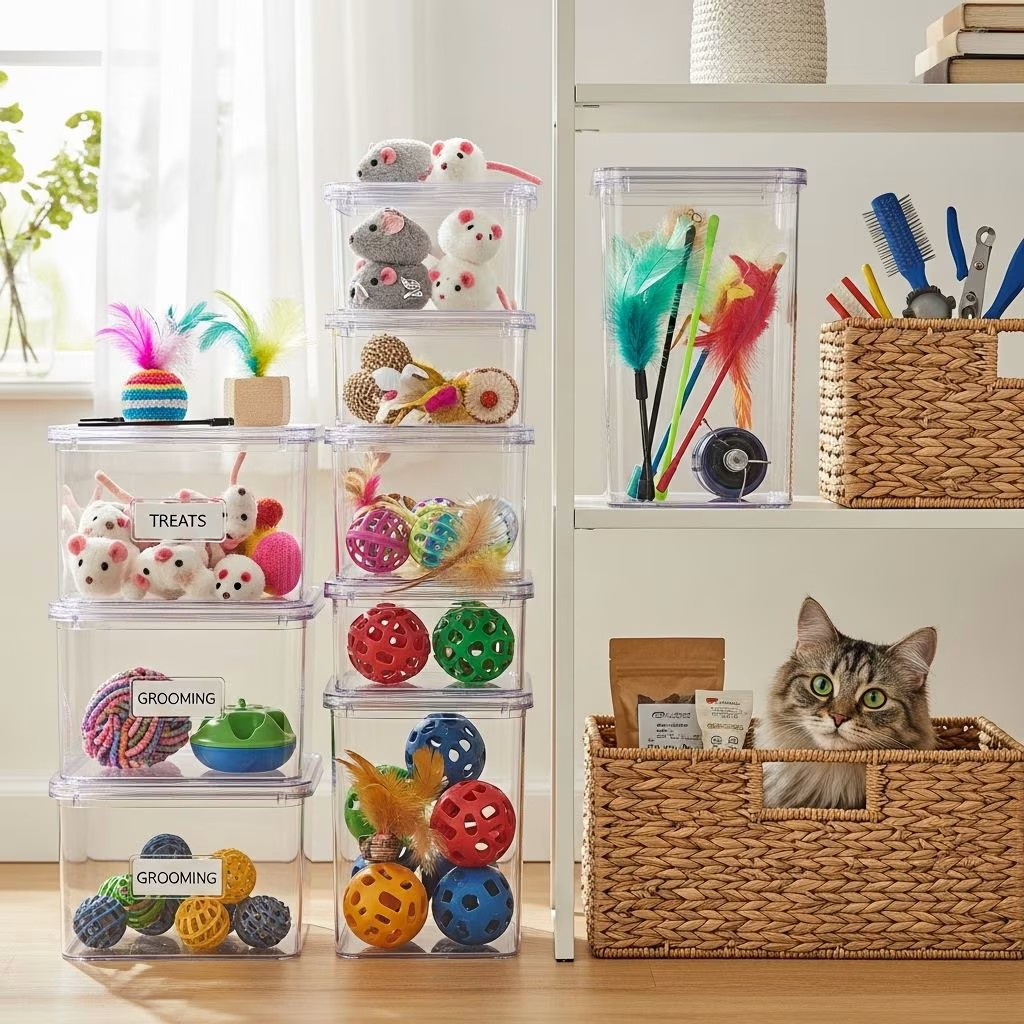
Keeping your home organized while catering to your cat’s endless energy can be challenging. Cat toys, litter supplies, food, and treats often scatter across floors and surfaces, creating chaos. These 15 vet-approved tips provide practical, space-efficient solutions to store cat toys and supplies effectively. Drawing from expert recommendations, they balance accessibility for your feline friend with aesthetic appeal for your living space. Whether you have limited room or want multifunctional furniture, these ideas transform clutter into order.
Why Organize Cat Toys and Supplies?
Proper organization prevents hazards like scattered small toys that cats or children could swallow. It also maintains freshness for food and treats, reduces litter scatter, and keeps your home smelling fresh. Vets emphasize rotating toys to stimulate cats mentally and physically, preventing boredom. Organized storage promotes hygiene, eases cleaning, and extends toy lifespan by protecting them from damage.
Top 15 Tips on How to Store Cat Toys
1. Use Baskets
Baskets are versatile for corralling small cat toys like balls, mice, and wand toys in one spot. Available in various styles, shapes, and materials—from wicker to fabric—they fit any decor and space. Stackable options maximize vertical storage, and you can tuck them under furniture or in corners when not in use. Place a low basket near play areas for easy cat access, teaching them to “tidy up” by dropping toys in.
- Stackable and tuckable for discreet storage
- Multiple styles to match home aesthetics
- Ideal for small toys and supplies
- Potential drawbacks: Can be pricey in bulk; occupy floor space; harder to access deep items
2. Hang an Organizer
Maximize vertical space with over-the-door or wall-mounted hanging organizers featuring pockets for toys, treats, and grooming tools. Inexpensive and easy to install, they free floor space in small apartments. Opt for clear pockets for quick visibility or fabric ones for style. Ensure sturdy hooks to support weight, and position at cat height for independent access.
- Frees floor space effectively
- Budget-friendly and reachable
- Drawbacks: Uses wall space; may not suit all decors; weight limits apply
3. Get a Pet Bench
A pet bench doubles as seating and storage, hiding toys, blankets, and litter accessories underneath or inside lift-top compartments. Perfect for entryways or living rooms, it blends functionality with furniture. Choose cushioned tops for comfort and sizes fitting your space. This vet-favored option keeps essentials out of sight yet handy.
- Multifunctional: Sit and store
- Conceals unsightly items
- Ideal for high-traffic areas
4. Use a Pet Storage Station
Dedicated pet storage stations resemble modular shelves or cabinets with compartments for food, toys, and waste bags. Wall-mounted or freestanding, they centralize supplies in kitchens or laundry rooms. Customizable inserts hold litter scoops and enzymatic cleaners. Vets recommend them for hygiene, as they contain odors and spills.
5. Pull Out Trash Area
Repurpose unused kitchen pull-out trash cabinets for cat food bags and treats. It tucks away neatly, saving counter space. Line with airtight bins to prevent pests and maintain freshness. This no-cost hack works if space aligns with supply sizes.
- Uses existing home features
- Hidden and compact
- Limited by availability and size
6. Get a Scratching Post With Storage
Scratching posts with built-in shelves or drawers consolidate play and storage. Store wand toys or treats inside, satisfying scratching instincts while decluttering. More expensive but durable, they serve as cat furniture. Select sisal-covered posts for appeal.
- Two-in-one functionality
- Centralizes essentials
- Higher cost; finite capacity
7. Use Flip-Top Boxes
Flip-top plastic or decorative boxes keep treats, toys, and meds accessible on counters or shelves. Various sizes fit any need, and labels aid organization. Affordable and spill-proof, they’re great for quick grabs during playtime.
- Budget-friendly consolidation
- Easy one-handed access
- May clash with decor
8. Designate a Pet Closet or Zone
Create a “pet closet” in a pantry or cabinet for all supplies. Use bins for categorization: toys, food, litter. Airtight containers preserve kibble freshness, as recommended by organizers. Add a command center with hooks for leashes and schedules.
9. Use Under Desk/Table Storage Space
Transform under-desk or table space into a feeding or toy station by sliding in bins or mats. Ditch unused chairs for this hack, storing extras out of sight. Versatile for small homes.
- Leverages dead space
- No new purchases needed
- Space constraints if occupied
10. Keep Litter Supplies Contained
Litter zones demand enclosures blending with decor to hide scatter and odors. Store refills in sealed cabinets with covered trash for waste. Vets approve for cleanliness.
11. Double Up the Food Station
Stack airtight containers vertically: food below, treats above. Labels with dates ensure rotation. This expands storage without extra footprint.
- Vertical efficiency
- Simple setup
- Container costs add up
12. Rotate Toy Bins
Use bins for toy rotation—swap weekly to spark interest and reduce clutter. Baskets or crates work; decorate to match decor. Prevents “toy overload.”
13. Implement Airtight Food Storage
Airtight, stackable containers labeled with types and dates keep food pest-free and fresh. Essential for opened bags.
14. Shop Flea Markets
Find unique baskets, crates, or bins cheaply at flea markets. Creativity yields stylish, affordable solutions despite wear.
- Cost savings
- Vintage charm
- Needs cleaning/DIY
15. Teach Toy Tidying & Use Open Baskets
Open baskets near beds or play areas let cats access toys easily. Train with commands for self-storage. Cubby units or crates add style.
Pros and Cons Comparison Table
| Method | Pros | Cons | Best For |
|---|---|---|---|
| Baskets | Versatile, stylish, stackable | Expensive in bulk, floor space | Small toys, living rooms |
| Hanging Organizer | Space-saving, cheap | Wall use, aesthetics | Apartments, walls |
| Pet Bench | Multifunctional furniture | Higher cost | Entryways, families |
| Scratching Post Storage | 2-in-1, cat-approved | Limited space | Multi-cat homes |
| Airtight Stacking | Freshness, vertical | Initial buy | Kitchens, food |
Frequently Asked Questions (FAQs)
What are the best containers for cat food storage?
Airtight, stackable containers labeled with contents and expiration dates keep food fresh and pest-free.
How do I organize cat litter supplies?
Use stylish enclosures, sealed cabinets for refills, and covered trash cans to contain odors and scatter.
Should I rotate my cat’s toys?
Yes, weekly rotation in bins maintains interest and tidies space.
Can cats learn to store their own toys?
With training and open baskets, many cats can drop toys in designated spots.
Where to find cheap cat storage solutions?
Flea markets offer creative, affordable baskets and crates.
References
- How to Store Cat Toys & Organize Supplies: 15 Vet-Approved Tips — Catster. 2023-10-15. https://www.catster.com/lifestyle/how-to-store-cat-toys-and-supplies/
- How to organize pet supplies – 6 tricks to learn — Homes & Gardens. 2024-05-20. https://www.homesandgardens.com/solved/how-to-organize-pet-supplies
- 17 Tips on How to Organize Pet Supplies — Price Self Storage. 2023-08-10. https://www.priceselfstorage.com/blog/17-tips-on-how-to-organize-pet-supplies



