

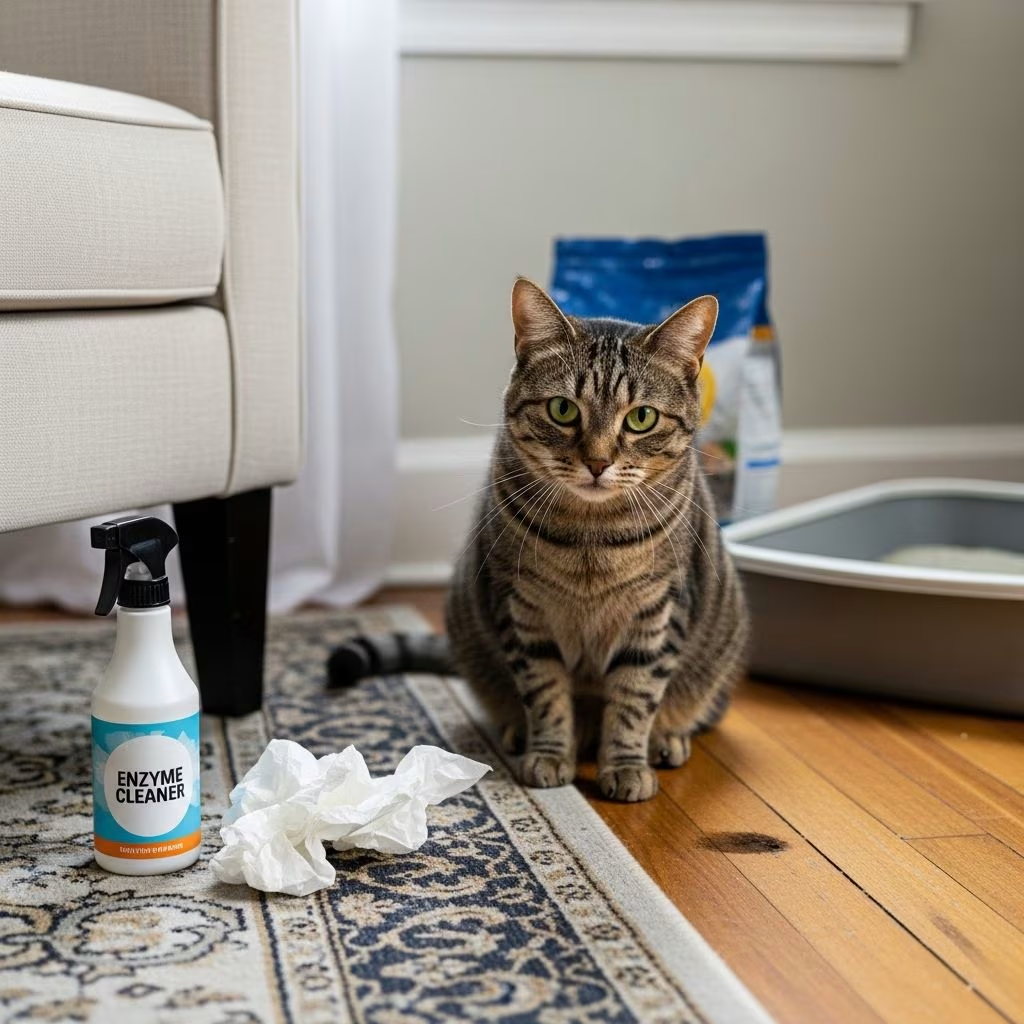
Dealing with a cat that pees outside the litter box can be frustrating, but you don’t need to resort to moving house to solve it. This comprehensive guide covers all the essential steps, from ruling out medical issues to optimizing your home environment and addressing behavioral triggers. Backed by veterinary insights, these strategies have helped countless cat owners reclaim their homes.
Why Is My Cat Peeing in the House?
Cats pee outside the litter box for medical, stress-related, or environmental reasons. Medical issues like urinary tract infections (UTIs), bladder stones, or diabetes often cause sudden changes in urination habits. Stress from new pets, household changes, or territorial disputes in multi-cat homes can trigger **inappropriate elimination** or spraying. Litter box aversion due to poor location, uncleanliness, or unsuitable litter type is another common culprit. Identifying the root cause is the first step to resolution.
In multi-cat households, one cat may feel threatened by newcomers, leading to urine marking on furniture or walls. Environmental factors like loud appliances near litter boxes or insufficient resources exacerbate the problem. A thorough assessment helps pinpoint whether it’s urine spraying (vertical marks, often territorial) or puddles (horizontal elimination, often preference-related).
Step 1: Rule Out Medical Problems
Always start with a veterinary exam. Symptoms like straining, frequent small urinations, blood in urine, or vocalizing during elimination signal **urinary tract disease**. Your vet may recommend urinalysis to detect infections, crystals, or inflammation; bloodwork for kidney issues; or imaging for blockages, especially in male cats.
Treatment could involve antibiotics for infections, dietary changes for crystals, or stress-relief medications. Early intervention prevents escalation to life-threatening conditions like urethral obstruction. Even if behavioral, confirming health rules out underlying pain that makes the litter box unappealing.
Step 2: Thoroughly Clean Soiled Areas
Cats return to soiled spots due to lingering odors undetectable by humans. Use a UV blacklight or your nose to find all urine traces on carpets, furniture, bedding, and clothes.
- Fresh urine: Blot with paper towels, then apply enzymatic cleaners like Nature’s Miracle to break down proteins.
- Saturate with enzymatic solution, let sit 10-15 minutes, blot, and dry thoroughly.
- Hard floors: Clean with pet-safe odor removers or diluted enzymatic washes.
- Fabrics: Wash in cold water with enzymatic detergent; air dry outside.
- Pro tip: For stubborn areas, a deep clean while cats are away (e.g., at a cattery) resets the environment completely.
Avoid ammonia-based cleaners, as they mimic urine smell. Biological detergents or surgical spirit (test first) followed by drying deter reuse. Place cat food bowls or citrus peels in treated spots, as cats avoid eliminating near food.
Step 3: Optimize Litter Box Setup
The golden rule: one litter box per cat plus one extra. In a two-cat home, provide three boxes in quiet, accessible locations away from food, noisy appliances, or high-traffic areas.
| Litter Box Feature | Best Practice | Why It Matters |
|---|---|---|
| Number | 1 per cat +1 | Prevents guarding and accommodates pickiness |
| Type | Large, open-top, low sides | Easy entry, less claustrophobic than hooded boxes |
| Location | Quiet, low-traffic spots | Reduces stress; multiple sites improve access |
| Cleaning | Scoop daily; full wash weekly | Clean cats shun dirty boxes |
Experiment with litter: unscented clumping is preferred by many. If your cat pees in a favorite spot, place a box there temporarily and gradually move it. Uncovered boxes allow 360-degree awareness, ideal for anxious cats.
Step 4: Reduce Stress and Territorial Marking
Stress triggers 30-40% of cases. Use **Feliway pheromone diffusers** mimicking facial pheromones to promote calm. In multi-cat homes, provide vertical space with cat trees, perches, and separate feeding stations to minimize conflicts.
- Play sessions with toys reduce anxiety.
- Calming treats or vet-prescribed anti-anxiety meds for severe cases.
- Neuter unsterilized cats; it curbs spraying in 90% of cases.
- For newcomers, gradual introductions prevent territorial disputes.
Deterrents like double-sided tape, aluminum foil, or motion-activated air puffs on soiled furniture discourage access.
Step 5: Behavioral Retraining Techniques
Confine to a single room with litter box, food, and water for 1-4 weeks to reestablish habits. Use positive reinforcement: praise and treats for litter use.
Make inappropriate areas unappealing:
- Plastic sheets, nubby carpet runners, or electronic mats.
- Food bowls or toys in problem spots.
- Litter from soiled areas sprinkled outside to redirect outdoor cats.
For outdoor access, create garden trays with soil or sand. Rub a cloth on your cat’s face and wipe on walls to “claim” territory with friendly scents.
Advanced Solutions for Persistent Cases
If basics fail, consult a veterinary behaviorist. Medications like fluoxetine address anxiety; environmental enrichment like puzzle feeders helps. Track incidents in a journal noting location, time, and context to identify patterns. Multi-cat harmony requires resources: separate litter, scratch posts, and rest areas per cat.
Real-life success: One owner sent cats to boarding for a week, deep-cleaned with UV detection, added boxes and pheromones—problem solved upon return. Patience yields results; most cats retrain within weeks.
Frequently Asked Questions (FAQs)
Why does my neutered cat still pee outside the box?
Neutering reduces marking but doesn’t eliminate stress or medical triggers. Check for UTIs or litter aversion.
How many litter boxes do I need for two cats?
Three: one per cat plus one extra, in different locations.
What cleaner works best for cat urine?
Enzymatic cleaners like Nature’s Miracle break down odors completely.
Will Feliway stop spraying?
It helps 80-90% of stress-related cases by mimicking calming pheromones.
My cat pees on the bed—what now?
Rule out medical issues, wash bedding enzymatically, add a nearby box, use deterrents.
References
- Catster: How to Stop Your Cat Peeing in the House — Catster. 2023. https://www.catster.com/felines-weekly/how-to-stop-your-cat-peeing-in-the-house-without-moving/
- Top 10 Ways to Stop Your Cat from Peeing Outside the Litter Box — PetMD. 2024-01-15. https://www.petmd.com/cat/general-health/top-10-ways-stop-your-cat-peeing-outside-litter-box
- Stop your Cat Spraying or Soiling in the House — Blue Cross UK. 2023-05-10. https://www.bluecross.org.uk/advice/cat/behaviour-and-training/stop-your-cat-spraying-and-soiling-in-the-house
- Cat Behavior Problems – House Soiling — VCA Animal Hospitals. 2024. https://vcahospitals.com/know-your-pet/cat-behavior-problems-house-soiling
- Urinating Outside the Litter Box: What to do when it’s behavioral — Just Cats Clinic. 2023. https://justcatsclinic.com/urinating-outside-the-litter-box-what-to-do-when-its-behavioral/
- Feline Behavior Problems: House Soiling — Cornell University College of Veterinary Medicine. 2024-06-01. https://www.vet.cornell.edu/departments-centers-and-institutes/cornell-feline-health-center/health-information/feline-health-topics/feline-behavior-problems-house-soiling
- Cat Peeing Everywhere? Here’s What You Need to Know — Salish Veterinary Hospital. 2023-11-20. https://www.salishvet.com/services/cats/blog/cat-peeing-everywhere-heres-what-you-need-know



