

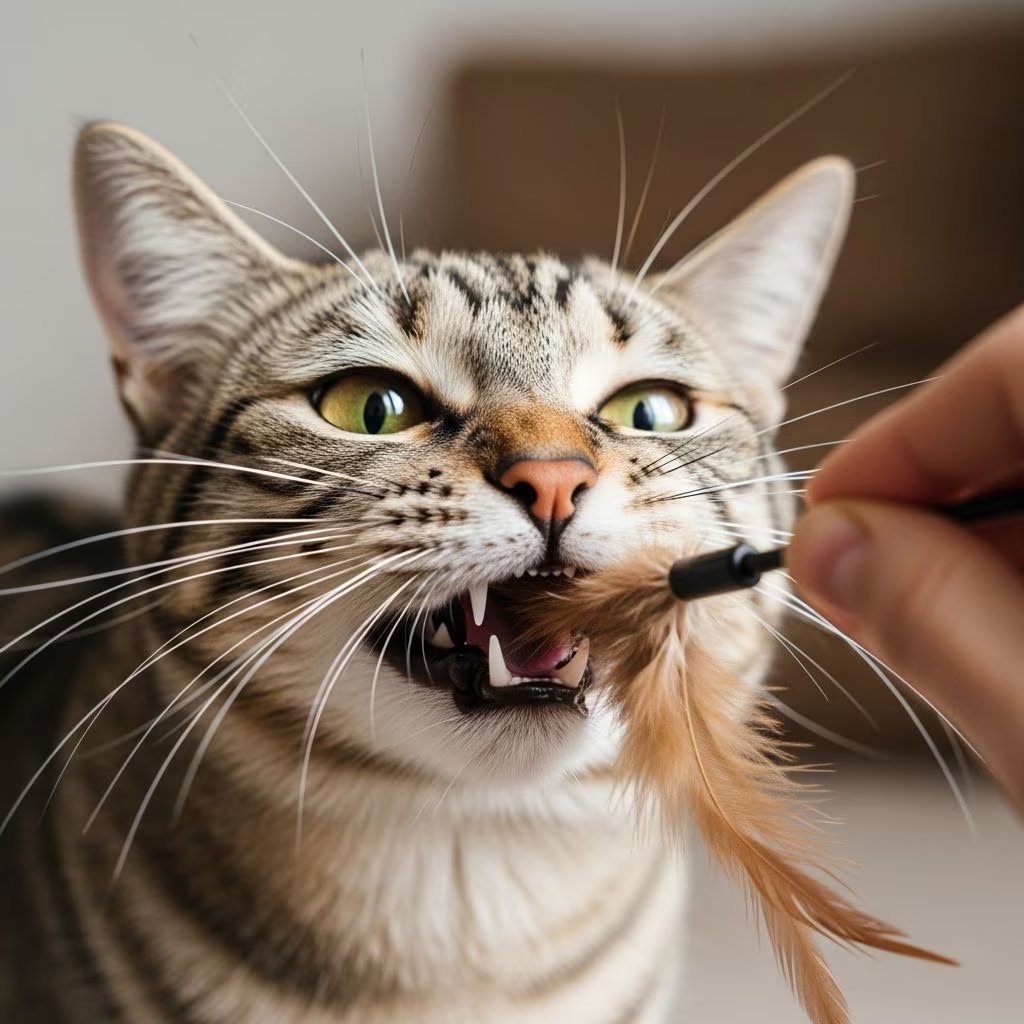
Playtime with your cat should be a joyful bonding experience, but when it turns into a biting session, it can become frustrating and even painful. Cats often bite during play due to their natural hunting instincts, where humans inadvertently become the “prey.” Understanding the reasons behind this behavior and implementing targeted strategies can help redirect their energy safely.
This comprehensive guide draws from veterinary insights to cover why cats bite during play, warning signs to watch for, and step-by-step solutions. By enriching play sessions with appropriate toys and respecting your cat’s boundaries, you can enjoy bite-free interactions while satisfying their predatory drive.
Why Do Cats Bite During Playtime?
Cats are obligate carnivores with innate hunting behaviors honed over thousands of years. During play, what feels like roughhousing to you mimics stalking, pouncing, and capturing prey to them. Biting is a core part of this sequence, but when directed at hands or feet, it leads to unwanted nips.
Common triggers include:
- Play Aggression: Kittens and young cats practice hunting skills on anything moving, including your limbs. This peaks during dawn and dusk “zoomies” when energy levels surge.
- Overstimulation: Extended petting or rough play can flip a cat from relaxed to reactive, resulting in a sudden bite.
- Boredom or Lack of Enrichment: Insufficient mental and physical outlets lead cats to seek stimulation from owners, often through ambushes.
- Attention-Seeking: Cats learn that biting guarantees a reaction, reinforcing the behavior.
Recognizing these motivations is the first step. For instance, playful bites are usually quiet and reciprocal, unlike defensive ones accompanied by growls or escape attempts.
Recognizing the Signs: When Play Turns to Biting
Before a bite lands, cats provide clear body language cues. Ignoring these escalates overstimulation into aggression. Key warning signs include:
- Flattened ears against the head.
- Dilated pupils and intense staring.
- Tail thrashing or twitching rapidly.
- Skin rippling along the back.
- Whiskers stiffening forward.
- Hissing, growling, or sudden freezing.
During play with multiple cats, distinguish fun from fights: Playful sessions involve mutual engagement and minimal vocalization, while reactive biting features yowling and one cat fleeing.
| Playful Biting | Aggressive Biting |
|---|---|
| Quiet, relaxed body; both cats participate | Yowling, hissing; one cat tries to escape |
| Short bursts of energy | Prolonged tension, fur raised |
| Tail wagging loosely | Tail lashing aggressively |
Table: Differentiating play from aggression aids timely intervention.
How to Stop Play Biting: Proven Strategies
Stopping play biting requires consistency, patience, and positive reinforcement. Avoid punishment, as it erodes trust and may worsen fear-based bites. Instead, focus on redirection and prevention.
1. Use Appropriate Toys – Keep Hands Out of Reach
The golden rule: Never use your hands as toys. Interactive wand toys, feather teasers, and laser pointers mimic prey while keeping teeth away from skin.
Recommended toy types:
- Wand toys (e.g., fishing pole with feathers) for chasing and pouncing.
- Crinkle balls and tunnels for solo play.
- Plush mice or birds for “killing” practice.
- Food puzzles to engage the mind.
Move toys erratically to simulate escape, but allow “catches” to complete the hunt. This satisfies instincts without human involvement.
2. Implement the “Game Over” Rule
Any bite, even gentle, means play ends immediately. Say “no” firmly, withdraw attention, and leave the room for 1-2 minutes. Resume only with toys once calm.
This teaches that biting stops fun, redirecting energy appropriately. Consistency from all household members is crucial.
3. Schedule Daily Play Sessions
Aim for 15-30 minutes twice daily, ideally morning and evening, to burn energy. End with a meal to mimic hunt-eat cycle, promoting relaxation.
Without outlets, cats ambush owners. Vary toys to combat boredom.
4. Reward Good Behavior
Use high-value treats or praise for toy-focused play. Offer treats during sessions if no biting occurs, reinforcing hands-off habits.
5. Respect Touch Boundaries
Pet preferred areas like chin and cheeks; avoid belly or paws. Stop at early overstimulation signs.
6. Provide Enrichment
Scratching posts, window perches, and puzzle feeders prevent boredom bites.
7. Spay/Neuter and Health Checks
Hormonal influences amplify aggression; vet check rules out pain.
Special Considerations for Kittens
Kittens bite most due to teething and learning. Extra play, soft toys, and gentle redirection help. By 6 months, habits solidify, so intervene early.
When to Seek Professional Help
If biting persists despite efforts, drawing blood or showing fear, consult a vet or behaviorist. Rule out medical issues first.
Frequently Asked Questions (FAQs)
What if my cat bites during petting, not just play?
This is often overstimulation. Watch body language and stop petting early.
Is it okay for cats to bite each other during play?
Yes, if mutual and quiet. Monitor for inequality.
How long until my cat stops biting with these tips?
2-4 weeks with consistency.
Can toys alone fix play biting?
No, combine with timeouts and enrichment.
Should I yell at my biting cat?
No, it may excite them more. Use calm withdrawal.
Implementing these strategies transforms playtime into safe fun. Patience yields a gentler companion.
References
- How to Stop Your Cat from Biting — PetMD. 2023-05-15. https://www.petmd.com/cat/behavior/how-to-stop-a-cat-from-biting
- How to Stop Kitten Biting — Purina US. 2024-02-20. https://www.purina.com/articles/cat/kitten/behavior/how-to-stop-kitten-biting
- How to Stop Your Cat From Biting — Chewy.com. 2024-08-10. https://www.chewy.com/education/cat/training-and-behavior/how-to-stop-cat-from-biting
- Play Aggression (Cats) — San Francisco SPCA. 2023-11-01. https://www.sfspca.org/resource/play-aggression/
- Cat Bites on Hands: Understanding and Preventing Feline Nips — Little Silver Animal Hospital. 2024-01-12. https://littlesilveranimalhospital.com/blog/cat-bites-on-hands/



