

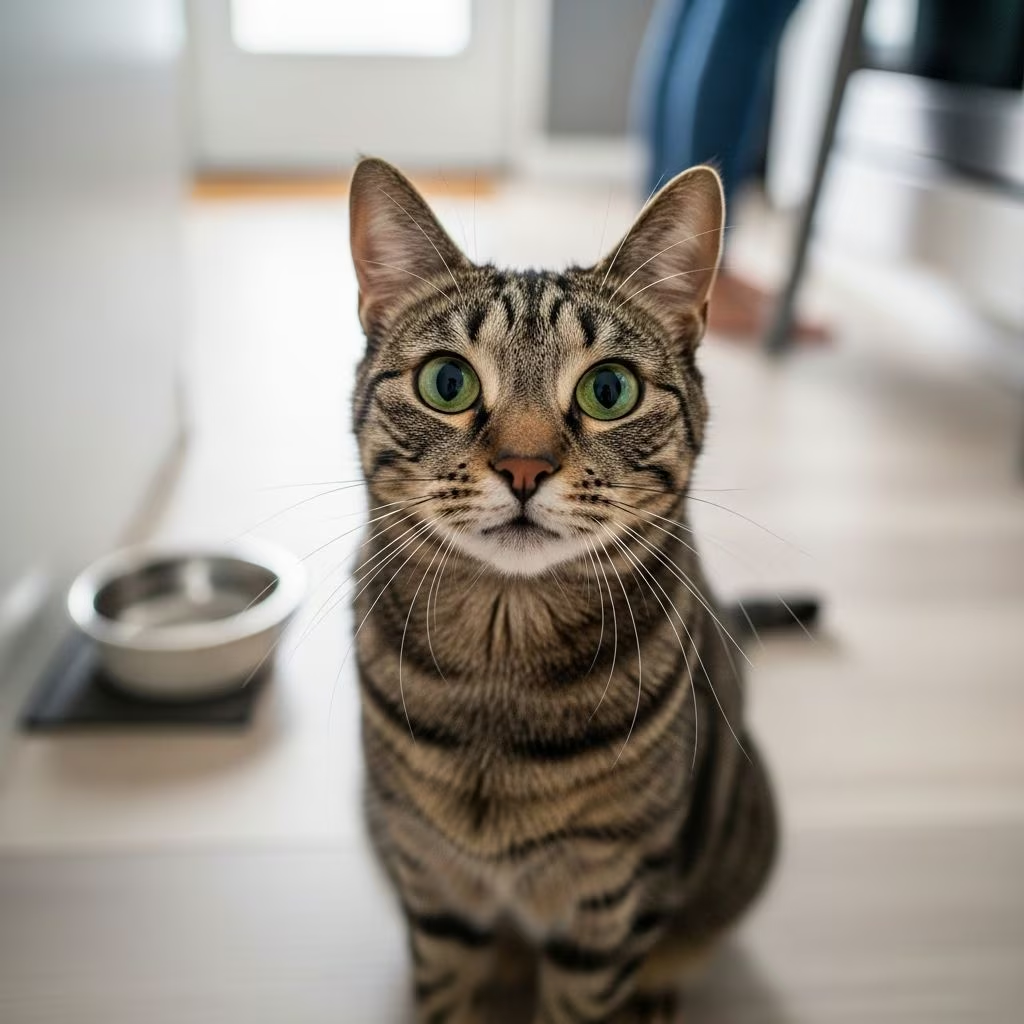
Your cat’s insistent meowing, weaving between your legs, or staring with those big eyes at mealtime can test any pet parent’s patience. Cat begging for food is a common issue rooted in instinct, learned habits, or unmet needs. Understanding the causes and implementing structured strategies can eliminate this behavior while promoting your cat’s health and well-being. This comprehensive guide draws from veterinary insights and behavior experts to provide actionable steps.
Why Do Cats Beg for Food?
Cats beg for food due to a mix of evolutionary instincts and environmental factors. As obligate carnivores and natural hunters, cats are wired to seek food opportunistically, mimicking the pursuit of small prey throughout the day. In the wild, they don’t eat large meals but multiple small ones, leading domestic cats to feel hungry sooner if fed infrequently. Learned behaviors exacerbate this: if begging previously resulted in treats or human food, cats quickly associate meowing or pawing with rewards, reinforcing the habit.
Other triggers include inconsistent feeding schedules, which disrupt their internal clock, or poor-quality food that fails to satisfy nutritionally, prompting quicker hunger return. In multi-cat homes, food stealing by dominant cats can make others beg preemptively. Health issues like hyperthyroidism, diabetes, or intestinal parasites (e.g., worms) may increase appetite abnormally, while diets cause psychological begging as cats adjust.
- Hunger from underfeeding: Check caloric intake against manufacturer guidelines and vet advice; slight increases may help without weight gain.
- Routine disruption: Free-feeding leads to constant grazing expectations.
- Boredom or attention-seeking: Begging doubles as a bid for interaction.
- Medical causes: Rule out conditions with a vet visit if begging is sudden or excessive.
Step 1: Rule Out Medical Issues
Before behavioral fixes, consult a veterinarian. Sudden begging may signal hyperthyroidism (common in senior cats), diabetes, or parasites boosting appetite. A check-up ensures proper diagnosis; for instance, worms can be dewormed easily. Vets recommend baseline bloodwork for persistent cases. If healthy, proceed to routine adjustments. Working with a vet or certified nutritionist confirms caloric needs are met, preventing true hunger.
Step 2: Establish a Consistent Feeding Schedule
Cats thrive on predictability. Set 3-4 small meals daily instead of 1-2 large ones, aligning with their natural hunting rhythm. This stabilizes blood sugar, reduces hunger spikes, and curtails begging.
| Cat Age/Life Stage | Ideal Meals per Day | Timing Example |
|---|---|---|
| Kitten (under 1 year) | 4-6 | 7AM, 10AM, 1PM, 4PM, 7PM, 10PM |
| Adult | 3-4 | 7AM, 12PM, 5PM, 9PM |
| Senior | 2-3 | 8AM, 2PM, 8PM |
Measure portions precisely using a kitchen scale to avoid overfeeding. Transition gradually over 7-10 days if switching from free-feeding: mix old and new routines while reducing access. Fixed times teach cats that food arrives predictably, diminishing unscheduled pleas.
Step 3: Ignore the Begging Behavior
The most powerful tool is extinction through ignoring. Any response—eye contact, scolding, or treats—reinforces begging via intermittent reward, like a slot machine. Stand firm: turn away, leave the room if needed, and wait 5-15 minutes post-meow before engaging neutrally. Consistency is key; most cats extinguish the behavior in 1-2 weeks.
- Avoid table scraps forever; one lapse resets progress.
- In multi-cat homes, feed separately to prevent competition.
- Practice during your meals: eat without acknowledging pleas.
Step 4: Use Puzzle Feeders and Slow Feeding
Mimic hunting with puzzle feeders, food balls, or slow bowls. These extend meals 15-30 minutes, tricking cats into feeling fuller by slowing consumption and adding mental stimulation.
Start simple: roll kibble in a ball or hide in toys. Advanced puzzles require pawing or nosing. Combine with training: use clicker sessions to deliver meal bits, enhancing engagement.
- Benefits: Reduces gulping, prevents obesity, curbs boredom-begging.
- DIY option: Muffin tin with tennis balls over kibble.
- Pro tip: Bulk low-calorie wet food or veggies for volume without calories.
Step 5: Provide Environmental Enrichment
Begging often masks boredom. Enrich with climbing trees, window perches, scratching posts, and interactive toys. Scheduled play sessions (15 mins twice daily) tire cats mentally/physically, diverting energy from begging.
- Rotate toys weekly for novelty.
- Offer high perches for bird-watching.
- Herbal catnip or automated lasers for solo play.
Step 6: Implement Positive Reinforcement
Reward calm waiting: praise or tiny treats for sitting quietly pre-meal. Ignore bad behavior, reinforce good. This builds patience associations.
For diets or food switches, taper gradually over 1-2 weeks to avoid frustration begging.
Special Considerations for Multi-Cat Households
Competition fuels begging. Use microchipped feeders or separate rooms. Monitor weights; slower eaters get puzzles while others finish. Equal portions prevent resentment.
Choosing Quality Food to Prevent Begging
High-protein, nutrient-dense food satisfies longer than fillers-heavy kibble. Cats prefer quality over quantity, reducing post-meal hunger. Consult vets for tailored diets, especially for weight management.
Frequently Asked Questions (FAQs)
Why does my cat beg even after eating?
Often learned habit, worms, theft by housemates, or medical issues. Vet check first.
How long to ignore cat begging?
1-2 weeks of consistency; never give in intermittently.
Are puzzle feeders safe for all cats?
Yes, but supervise initially; choose frustration-free designs for seniors.
Can treats stop begging?
No; they reinforce it. Use sparingly in training only.
What if begging persists?
Consult vet behaviorist for tailored plans.
By methodically addressing root causes with schedules, ignoring, enrichment, and vet input, most cats stop begging within weeks, leading to a calmer home and healthier pet.
References
- Stop Your Cat from Begging for Food (Vet Recommends) — Outdoor Bengal. 2023. https://www.outdoorbengal.com/blogs/correcting-cat-behavior/stop-begging
- A begging cat? 5 tips for eliminating this behaviour! — Yarrah. 2022-10-15. https://www.yarrah.com/en/blog/a-begging-cat-5-tips-for-eliminating-this-behaviour/
- How To Stop Your Cat From Begging For Food — Class Act Cats. 2024. https://classactcats.com/blog/how-to-stop-your-cat-from-begging-for-food/
- Why Does My Cat Beg for Food? — Cats.com. 2025-01-10. https://cats.com/why-does-my-cat-beg-for-food



