

How to Stop a Puppy From Biting: A Comprehensive Training Guide
While your puppy’s biting tendencies might seem cute and harmless now, those playful nips can escalate into more forceful and painful bites as your pup grows. Understanding how to stop puppy biting from the beginning is crucial for protecting yourself, your family, and your belongings. It’s important to address puppy mouthing—which includes licking your hands, nibbling at your fingers, and light chewing—before it evolves into problematic biting behavior. By implementing consistent training strategies early on, you can help curb these tendencies and establish healthy boundaries with your new furry companion.
Why Addressing Puppy Biting Is Critical
Puppies explore the world primarily through their mouths, and some level of mouthing is completely normal developmental behavior. However, without proper guidance, this innocent exploration can develop into a serious behavioral issue. As your puppy matures, their bite force increases significantly, transforming what once seemed like playful nipping into genuinely painful bites. Additionally, if left unchecked, puppy biting can become an ingrained habit that’s much harder to break in an adult dog. Early intervention is key to preventing long-term behavioral problems and ensuring your puppy learns appropriate ways to interact with people and objects in their environment.
How to Stop Puppy Biting: Step-by-Step Instructions
Successfully stopping puppy biting requires a systematic approach combined with patience and consistency. Here’s a detailed breakdown of the most effective methods to address this common puppy behavior:
Step 1: Gather Your Supplies
Before you begin training, assemble the necessary tools to make the process more effective:
– Durable chew toys in various textures and sizes- High-value dog treats for positive reinforcement- Bitter spray deterrent (optional but helpful)- A playpen or dog gate for timeout areas- Teething-specific toys if your puppy is in the teething phase
Having these supplies readily available ensures you can immediately redirect your puppy’s biting behavior and reward positive responses. Heavy-duty, treat-stuffable toys work particularly well for keeping puppies engaged in appropriate chewing activities.
Step 2: Pick a Training Word or Sound
Select a single, distinctive word or sound that will serve as an interrupt signal when your puppy bites. This might be a simple “no,” “ow,” “stop,” or even a sharp hand clap. The key is consistency—using the same word or sound every single time helps your puppy make the connection between the behavior and the correction.
When your puppy bites, deliver your training word firmly and with conviction. The goal is to momentarily distract your puppy from biting, creating an opportunity for you to redirect their behavior. The interrupt should be sharp enough to capture their attention but never harsh or frightening. This brief pause is your window to guide them toward appropriate behavior.
Step 3: Redirect Their Attention
The moment your puppy stops biting in response to your training word, immediately redirect their attention to an appropriate chew toy. Place the toy directly in front of their mouth so they can easily transfer their biting instinct from your hand to the toy. This teaches your puppy that biting toys is an acceptable outlet for their natural urge to chew.
If your puppy is teething, consider using specialized teething toys designed to provide relief while their adult teeth emerge. These toys offer multiple benefits, including pain relief for sore gums, appropriate chewing outlets, and mental stimulation during this challenging developmental stage.
Implementing Timeouts When Necessary
If your puppy continues biting even after you’ve redirected their attention, a timeout may be necessary. This doesn’t mean punishment—rather, it’s a brief period of separation that signals to your puppy that their behavior has ended playtime. You might place your puppy in a playpen for one to two minutes or simply leave the room. This gives your puppy time to calm down and reinforces that biting results in the loss of your attention and interaction.
Important Safety Note: Never leave your puppy alone in an unpuppy-proofed space. Always ensure electrical wires, blind cords, toxic plants, and other hazards are securely out of reach before implementing a timeout in a pen or room.
Step 4: Reward Good Behavior
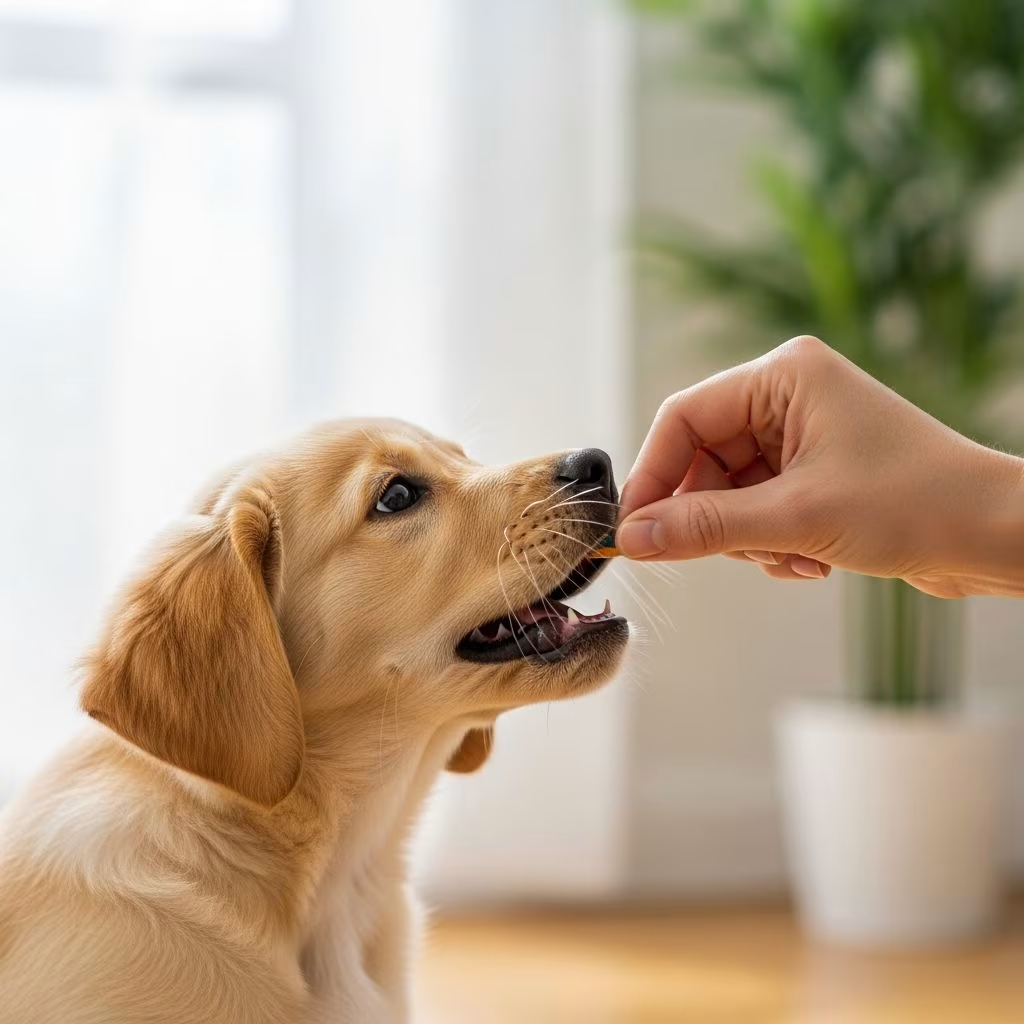
Positive reinforcement is one of the most powerful tools in puppy training. Whenever your puppy exhibits good behavior—such as gently mouthing without applying pressure, playing without biting, or choosing to chew on their toy instead of your hand—immediately reward them with praise and high-value treats. The timing is crucial; the reward must come within seconds of the desired behavior so your puppy clearly understands what they did right.
This approach builds on your puppy’s natural desire to please and creates positive associations with appropriate behavior. Over time, your puppy will learn that gentle play and toy chewing earn rewards and attention, making these behaviors more likely to repeat.
Understanding Bite Inhibition
Bite inhibition is a critical skill that teaches your puppy to moderate the force of their bite. Puppies naturally learn this from their mother and littermates during early development. When a puppy bites too hard during play, the “victim” will yelp, whimper, or move away. Similarly, mama dogs establish boundaries by growling or snapping when play becomes too rough. Once puppies join your household, it becomes your responsibility to continue teaching this essential lesson.
The “ouch” technique is an effective way to teach bite inhibition. When your puppy chomps down hard, immediately say “ouch” in a startled voice and withdraw your attention. This mimics the natural feedback a puppy would receive from littermates, helping them learn to soften their bite pressure over time. Consistency with this technique gradually teaches puppies to differentiate between acceptable gentle mouthing and unacceptable hard biting.
Teaching That Biting Means Game Over
Another powerful strategy involves establishing a clear rule: if your puppy bites during play, playtime ends immediately—no exceptions. This creates a consistent consequence that puppies quickly learn to avoid. When your puppy bites you during play, stop all interaction and either turn around and tuck your hands into your armpits (a calming signal in dog body language) or leave the play area entirely.
This approach is particularly effective because puppies are motivated by the desire to continue playing and receiving attention. When they learn that their bite directly causes the loss of these valued interactions, they become more likely to play gently to maintain access to fun activities. Consistency is essential—every single bite must result in the end of play for your puppy to make the connection.
Using Bitter Spray Deterrents
If your puppy’s biting has extended beyond your hands to objects around your home, bitter spray deterrents can be an effective solution. Products like bitter apple sprays have a taste that many puppies find unpleasant and can be safely applied to clothing, shoes, furniture, and other items you want to protect from chewing.
Important Note: Bitter sprays are deterrents, not punishments. Never spray bitter solution directly onto your puppy or into their mouth. This approach can cause fear and anxiety, damaging your relationship with your puppy and potentially escalating behavioral problems. The spray should only be applied to objects you want to protect, creating an unpleasant experience when your puppy attempts to chew them.
Preventing Pouncing and Biting During Walks
Pouncing on your legs or feet as you walk is common puppy behavior that often involves gentle biting or nipping. While it may seem cute initially, this behavior can become annoying and even dangerous as your puppy grows. To redirect this energy, hold one of your puppy’s favorite treats next to your leg as you walk. This encourages your puppy to focus on the treat and walk politely beside you rather than attacking your legs.
This technique also serves double duty as a foundation for leash training. By keeping your puppy’s attention on treats and rewards for walking calmly beside you, you’re establishing good leash manners while simultaneously reducing biting and pouncing behavior.
Recognizing When to Implement Additional Strategies
Sometimes puppy biting indicates that your pup needs something beyond training intervention. Overtired puppies often bite more frequently, so offering quiet time or access to their crate for a nap can significantly reduce biting behavior. Other times, your puppy may simply need a potty break, food, or water. Paying attention to your puppy’s schedule and identifying their personal triggers helps you address the underlying cause rather than just the symptom.
Providing regular exercise, appropriate nap times, and consistent feeding schedules goes a long way toward preventing excessive biting. A well-rested, properly nourished puppy is far less likely to engage in problem biting behaviors.
What Not to Do: Common Training Mistakes
Understanding what not to do is just as important as knowing what to do. Never hit, slap, or physically punish your puppy for biting. Physical punishment is ineffective, can damage your relationship with your puppy, and may actually increase anxiety-related biting. Additionally, actions that may seem punishing to you—such as pushing your puppy away or yelling—are often perceived as playful behavior or additional interaction by puppies, potentially encouraging more biting.
Similarly, don’t scold your puppy if they growl. Growling is an important communication tool that tells you your puppy is uncomfortable. Punishing this signal discourages your puppy from warning you before they bite, potentially leading to more serious behavioral issues.
The Role of Socialization and Training Classes
Enrolling your puppy in a professional training class provides invaluable benefits beyond just addressing biting. Puppy classes offer opportunities for socialization with other dogs, teaching appropriate play and interaction skills in a controlled environment. Learning how to play respectfully with other puppies directly translates to better behavior with people.
Professional trainers can also identify whether your puppy’s biting stems from playfulness or potential aggression. If your puppy seems to be biting out of aggression rather than typical puppy tendencies, a veterinarian or certified trainer can help you develop a specialized management plan.
Creating a Management Space for Your Puppy
Having a designated management area—such as a playpen or baby-gated bathroom—provides both you and your puppy with important benefits. This space gives you a break from constant supervision and provides your puppy with a calm area to settle down when they become overstimulated. A puppy that gets too wound up often exhibits increased biting behavior, so having a safe space for them to decompress reduces these incidents.
Ensure your puppy’s management space includes appropriate toys, water, and a comfortable resting area. When your puppy begins showing signs of overstimulation—rapid biting, frantic energy, or difficulty calming down—gently guide them to this space for a reset period.
Patience and Consistency Are Key
Training your puppy requires patience and consistency. Some puppies may reduce or stop biting after just one or two training sessions, while others may seemingly regress after showing initial progress. This variability is completely normal. Keep implementing your training strategies consistently, and you should notice significant improvements in your puppy’s biting behavior within days to weeks.
Remember that your puppy is learning a new skill, and learning takes time and repetition. Celebrate small victories and stay committed to your training plan.
Frequently Asked Questions
Q: At what age should I start addressing puppy biting?
A: Start addressing biting immediately when you bring your puppy home, even if the behavior seems minor. Early intervention prevents the behavior from becoming ingrained and creates good habits from the start.
Q: Is puppy biting normal, or does it indicate aggression?
A: Moderate puppy biting is completely normal play behavior and exploration. However, if your puppy shows signs of aggression—such as stiff body posture, raised hackles, or biting without play context—consult a veterinarian or professional trainer immediately.
Q: How long does it take to stop puppy biting?
A: Most puppies show significant improvement within days to weeks with consistent training. However, timelines vary based on individual puppies, breed, age when training starts, and consistency of implementation.
Q: Can I use physical punishment to stop biting?
A: No. Physical punishment is ineffective, damages your relationship with your puppy, and can increase anxiety-related behavioral problems. Always use positive reinforcement and redirection instead.
Q: What if my puppy continues biting after implementing these strategies?
A: Ensure you’re being consistent with all techniques and that your puppy’s basic needs are met (exercise, sleep, food, water). If biting persists or seems aggressive, consult a certified professional dog trainer or veterinary behaviorist for personalized guidance.
References
- How to Stop a Puppy From Biting – Chewy — Chewy, Inc. 2025. https://www.chewy.com/education/dog/new-dog/stop-puppy-biting
- How To Stop Puppy Biting Behavior – Jinx — Jinx, 2025. https://www.thinkjinx.com/blogs/news/how-to-stop-puppy-biting-behavior
- Puppy Training 101: Your Guide to Training Your Puppy – Chewy — Chewy, Inc. 2025. https://www.chewy.com/education/dog/new-dog/basic-puppy-training
- Puppy Biting: What’s Normal, What’s Not, and How to Curb It — Peach On A Leash. https://peachonaleash.com/puppy-biting-whats-normal-whats-not-and-how-to-curb-it/



