

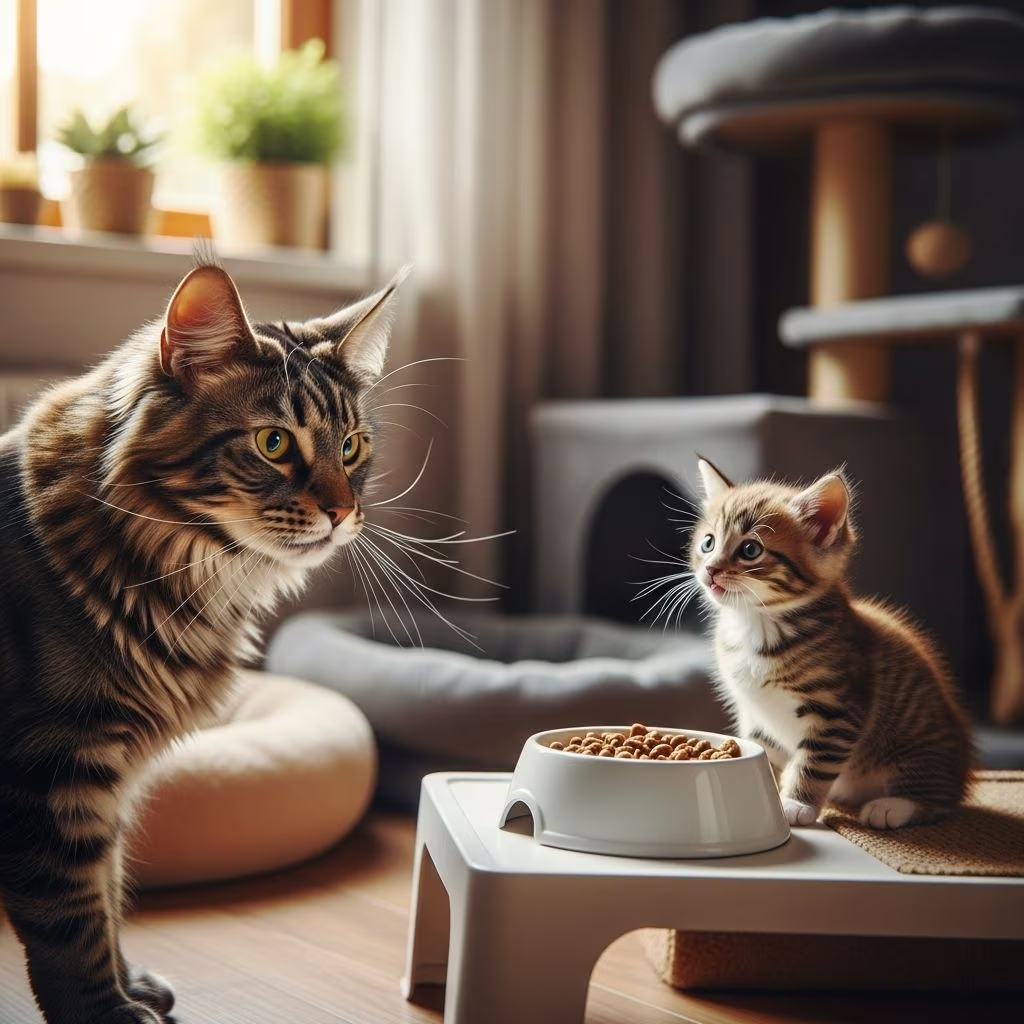
In multi-cat households, it’s common for older cats to show interest in their kitten companions’ meals. Kitten food, designed for rapid growth, is richer in calories, protein, and fat, making it appealing to senior cats. However, this behavior can disrupt nutritional balance and lead to health issues like obesity. This guide covers why it happens, potential risks, and proven strategies to manage feeding effectively.
Why Older Cats Eat Kitten Food
Older cats may target kitten food for several reasons. Kittens require nutrient-dense diets to support growth in muscles, eyes, and organs, with higher protein (minimum 7.5 grams per 100 kcals per AAFCO guidelines) compared to adult maintenance food (6.5 grams per 100 kcals). Senior cats, less active and prone to muscle loss, need tailored nutrition to maintain weight and health.
- Nutritional Deficiency: If an older cat lacks protein, fat, taurine, or vitamins, the calorie-rich kitten food becomes irresistible. Cats are obligate carnivores needing 2-3 times more protein than omnivores for energy.
- Taste Preference: Many seniors simply enjoy the flavor, with no deeper issue.
- Dominance: In resource-limited environments, older cats may eat the kitten’s food to assert control, also guarding areas like litter boxes.
- Hunger or Boredom: Free-feeding or insufficient meals can drive scavenging.
Understanding these motivations helps tailor solutions. While occasional kitten food isn’t immediately dangerous—it’s even recommended for nursing queens—the main risk is overconsumption leading to obesity, exacerbating arthritis or diabetes in seniors.
The Risks of Older Cats Eating Kitten Food
Kitten formulas fuel high-energy growth, but seniors have lower caloric needs. Excess intake can cause weight gain, digestive upset like diarrhea, or nutrient imbalances. For instance, higher fat and protein might suit underweight seniors prescribed by vets, but generally, senior-specific food with joint-supporting additives is ideal.
| Life Stage | Key Nutrients (per AAFCO) | Potential Issues for Seniors |
|---|---|---|
| Kitten | ≥7.5g protein/100 kcals, high fat/calories | Obesity, digestive issues |
| Adult/Senior | ≥6.5g protein/100 kcals, balanced for maintenance | Muscle loss if underfed |
Seniors may lose body mass and activity, so mismatched diets hinder health. Always prioritize age-appropriate food unless vet-advised otherwise.
Top Strategies to Prevent Food Stealing
Effective management revolves around separation, scheduling, and tools. Implement these step-by-step for harmony.
1. Separate Feeding Areas
The most reliable method: Feed in different locations. Use barriers like a box with a kitten-sized flap—adults can’t fit, kittens can. For temporary fixes, use separate rooms during meals, closing doors to block access.
- Create dedicated stations: One elevated for the kitten if agile.
- Supervise initially to reinforce boundaries.
2. Establish a Strict Feeding Schedule
Stagger meals to ensure the older cat is full when the kitten eats. Kittens need frequent small meals; adults fewer larger ones. Feed kittens 1 hour before/after seniors to reduce competition.
- Avoid free-feeding: It invites stealing.
- Regular times build routine and anticipation.
3. Use Microchip or Smart Feeders
Technology shines here. Microchip feeders scan collars/RFID implants, releasing food only for the intended cat. Smart bowls with collars dispense portions on approach, ideal for grazers vs. gulpers.
Cost-effective and precise for multi-cat homes.
4. Enrichment and Puzzle Feeders
Deter boredom-driven theft with interactive feeders. Maze bowls slow eaters; hide kibble in mouse pouches or scattered toys. This engages seniors, reducing interest in kitten meals.
- Test varieties: Balls, tunnels, or treat puzzles.
- Benefits mental stimulation alongside nutrition.
5. Monitor Portions and Transition Foods
Ensure adequate adult food to prevent hunger. If switching foods, mix gradually over 10-14 days to avoid GI issues like diarrhea. Track weights monthly.
6. Consult Your Veterinarian
Persistent stealing signals deficiencies or illness. Vets test for issues driving cravings, recommending supplements or diet tweaks. Rule out hyperthyroidism or dental pain.
Additional Tips for Multi-Cat Households
Success demands consistency. Provide ample resources: Multiple litter boxes, scratching posts, and beds reduce stress-induced behaviors.
- Introduce kittens slowly to minimize dominance.
- Observe dynamics: Intervene if bullying occurs.
- High-quality foods: Opt for AAFCO-approved options matching life stages.
For underweight seniors, vets might suggest kitten food temporarily, but monitor closely.
Frequently Asked Questions (FAQs)
Is kitten food bad for older cats?
Not inherently dangerous short-term, but risks obesity and imbalances from excess calories/protein. Stick to senior formulas unless vet-recommended.
Can kitten food cause diarrhea in senior cats?
Yes, sudden high-fat/protein shifts can upset digestion. Transition slowly.
How long should kittens eat kitten food?
Until 12 months typically; consult vet for breed-specific needs.
Are microchip feeders worth it?
Highly effective for precise feeding in multi-cat homes, preventing waste and health issues.
What if strategies fail?
Seek vet advice for underlying medical causes.
Conclusion
Stopping an older cat from eating kitten food safeguards both pets’ health. Start with separation and schedules, escalate to tech if needed. Patience and vet input yield the best results, fostering a peaceful, nourished household.
References
- Is Kitten Food Bad for Senior Cats? — Purina US. 2023. https://www.purina.com/articles/cat/senior-cat/health/is-kitten-food-bad-for-senior-cats
- Feeding Kitten Food to an Adult Cat — Hare Today. Accessed 2026. https://hare-today.com/feline-nutrition/nutrition/feeding-kitten-food-to-an-adult-cat
- When to Switch From Kitten Food to Cat Food — Blue Buffalo. 2024. https://www.bluebuffalo.com/articles/cat/when-to-switch-from-kitten-food-to-cat-food/



