

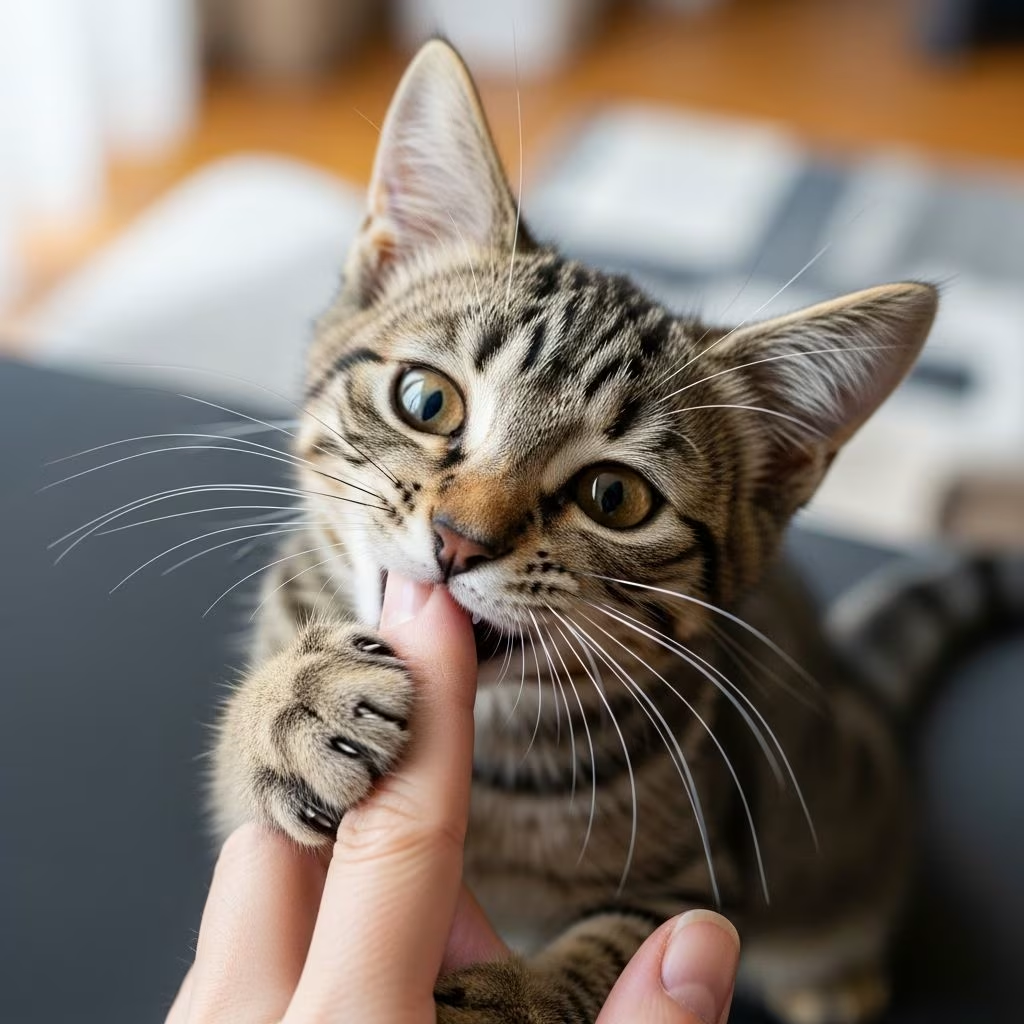
Kitten biting is one of the most common behavioral challenges new cat owners face. While it may seem harmless when your kitten is small, understanding the reasons behind this behavior and learning effective management techniques is crucial for building a healthy relationship with your pet. The good news is that with the right information and consistent approach, you can easily navigate the biting phase and teach your kitten appropriate play and interaction habits.
Why Is My Kitten Biting Me?
Understanding the underlying reasons for kitten biting is the first step toward addressing the behavior effectively. Kittens bite for several natural and developmental reasons, and recognizing these motivations will help you respond appropriately.
1. Teething
Like human babies, kittens experience discomfort during the teething process. As their baby teeth fall out and permanent teeth come in, they experience soreness in their gums. Biting and chewing help relieve this discomfort, which is why teething kittens tend to bite more frequently than their peers. This is a completely natural phase of development, and most kittens will outgrow it as their adult teeth fully emerge.
2. Playing
Playful biting is perhaps the most common reason kittens bite. Kittens are naturally playful creatures, and play serves an important developmental purpose. At a young age, playing helps reinforce hunting instincts, which will help them learn to hunt as they grow older. There are two main things that cats use to hunt: claws and teeth. Therefore, playing generally includes the use of both. Playful bites are usually not that hard and should never break the skin. Real aggressive bites, by contrast, can cause significant pain and even draw blood. Like teething, playing is a natural instinct, and it’s important to work with this behavior rather than try to shut it down completely. Kittens will generally become less playful and more controlled as they age and settle into their environment.
How to Get a Kitten to Stop Biting
While you cannot completely eliminate biting behavior during kittenhood, you can significantly reduce its frequency and severity through consistent training and environmental management. Here are effective strategies that work with your kitten’s natural instincts rather than against them.
1. Provide Plenty of Toys
All kittens will bite or try to bite from time to time. The best way to address this behavior is to provide your kitten with plenty of appropriate toys. Give them something they are allowed to bite and play with. This will give them an outlet for their playful behavior and will redirect their biting toward something constructive rather than something painful or annoying. Consider getting:
- Small fluffy toys for pouncing and carrying
- Wand toys for interactive play that keeps your hands at a safe distance
- Scratching toys and scratching posts for climbing and biting
- Interactive toys like electronic mice or balls to chase
- Kicker toys designed for biting and kicking with hind legs
Once you determine which types of toys your kitten enjoys most, continue to provide similar options. Variety in toy types will keep your kitten entertained and engaged.
2. Redirect Biting Behavior to Appropriate Outlets
Redirection is one of the most effective training techniques for kittens. Instead of scolding your kitten every time they try to bite, you should redirect them to appropriate outlets. When your kitten shows signs of wanting to bite you, immediately offer them a toy instead. Lead them away from your hand and body and let them have the toy. This teaches them that biting is acceptable—just not on human skin. Redirecting your kitten is the same way that their mother would have taught them to stop biting so much or so hard. By mimicking natural feline behavior, you create learning opportunities that feel intuitive to your kitten.
3. Use Positive Reinforcement
When trying to train and socialize your kitten, always use positive reinforcement instead of negative reinforcement. You should pet your kitten, praise it, and snuggle it when it is calm and well behaved. If they start getting hyperactive or start to bite, you should gently move them and put them somewhere else. The positive reinforcement when the cat is calm, paired with the redirection, will help teach them not to bite, and the training will sink in better than if you use negative reinforcement. This approach builds trust and strengthens your bond while effectively addressing behavioral issues.
4. Keep Your Hands Away During Playtime
Cats play by biting when they are young. If you are trying to play with your kitten using your hands, you are likely going to invite being bitten. Keep your hands far away from your kitten when they are in play mode. This is one of the reasons that cat wands are so popular. Wands ensure that your hands do not end up in the line of fire, and it breaks the connection in your kitten’s brain between your hands and playtime. This simple change in play technique can dramatically reduce hand and finger bites.
5. Give Them Time-Outs
One of the most effective ways to prevent your kitten from biting during play is to give them a “time out” when they do. When your kitten bites you, stand up immediately and turn around so you’re facing away from them. Don’t say anything or shout out; completely ignore your kitten. This should only last for a few minutes. When this is done, you can resume playing. Your kitten will quickly learn that biting is a surefire way for the play to end. This negative consequence—the end of fun—teaches them to modify their behavior without creating fear.
6. Mimic Mother Cat’s Discipline
You can “scold” your kitten as their mother would have by picking it up and placing it somewhere else to teach them that biting too hard is not acceptable. By moving your kitten in the same way their mother would have, you will teach them that it is not okay to bite you. This natural discipline method is more effective than yelling or physical punishment because it feels familiar to your kitten’s instincts.
7. Provide Environmental Enrichment
Cats often act out when bored, and it’s vital to provide appropriate outlets for their natural behaviors. Make sure your kitten has access to:
- Multiple scratching posts and climbing towers
- Window perches for observing outdoor activity
- Interactive toys that engage hunting instincts
- Feather toys for frisky play sessions
- Kicker toys with catnip
- Electronic mouse toys to chase and “hunt”
If your kitten doesn’t have access to appropriate toys and environmental enrichment, they’ll play with the next most exciting thing: your hands and feet. Finding the perfect toy for your kitten and playing with them daily will help redirect biting onto appropriate objects and save your hands from injury.
What Not to Do When Kitten Biting
Understanding what NOT to do is just as important as knowing what to do. Several common reactions to kitten biting can actually make the problem worse.
Never Use Negative Reinforcement
You should never use negative reinforcement techniques with your kitten. Negative reinforcement includes things like yelling, clapping loudly, and spraying your cat with water. These behaviors can scare your cat, which can cause them to become fearful. Fearful cats are more likely to bite defensively. Putting them in a fearful state can invite more biting, causing a negative feedback loop in which your cat bites, you yell at them, scare them, and then they bite because they are scared. You should always try to use positive reinforcement and redirection rather than negative reinforcement whenever possible. Fear-based training damages your relationship and creates behavioral problems rather than solving them.
Never Jerk Your Hand Away
When a cat bites you, the instinctive reaction is to jerk your hand away, but that is a bad idea. A cat will instinctively bite harder if you do that, the same way that they would if prey under their grasp tried to escape. Instead of pulling away, try pushing your hand farther into the cat’s mouth. That may seem counterintuitive, but it could mean the difference between a minor bite and significant injury. The move will catch the cat by surprise, prompting them to let go.
Never Use Your Hands or Feet for Play
Moving your hands and feet around for the kitten to chase will only reinforce the behavior that biting your extremities is acceptable. Next time, they might pounce on and bite them when you are not even looking. Always use toys on wands or other implements that keep your body parts at a distance. This is crucial for preventing hand and foot bites as your kitten develops their hunting skills.
When to Consult an Expert
While most kitten biting is normal developmental behavior, there are situations where you should consult with a veterinary behaviorist or your veterinarian:
- If your kitten’s biting causes severe bleeding or injury
- If biting is accompanied by other aggressive behaviors like hissing or swatting
- If your kitten is over six months old and biting has not improved with redirection
- If your kitten shows signs of pain or discomfort beyond normal teething
- If you suspect underlying health issues are causing excessive biting
A professional can rule out medical issues and provide additional training strategies tailored to your kitten’s specific situation.
Frequently Asked Questions
Q: At what age do kittens stop biting?
A: Most kittens will naturally stop biting as they mature. The instincts that cause biting when a cat is young will fade away as they exit kittenhood. However, consistency in training and redirection during the kitten phase accelerates this process.
Q: Is playful kitten biting dangerous?
A: While playful bites are generally not as severe as aggressive bites, they can still break the skin and introduce bacteria. Even small bites should be taken seriously and prevented through the techniques outlined in this article.
Q: Can kitten bites cause infections?
A: Yes, cat bites can introduce bacteria and potentially cause infections. It’s important to keep bites clean and monitor for signs of infection. Practice safe handling and keep your kitten’s vaccinations up to date.
Q: How many toys should my kitten have?
A: Experts recommend having at least four interactive toys to prevent boredom. Rotate toys regularly to maintain your kitten’s interest and engagement.
Q: Are water spray bottles effective for stopping kitten biting?
A: No, water spray bottles are a form of negative reinforcement that can scare your kitten and actually increase biting behavior. Positive reinforcement and redirection are much more effective.
Q: What should I do if my kitten bites me during petting?
A: If your kitten bites during petting, stop the interaction immediately. Put your kitten down gently and walk away. Do not pet them again until they have calmed down. This teaches them that biting ends pleasant interactions.
Conclusion
Kitten biting is a normal part of development that every cat owner will encounter. These tips can help you navigate this phase successfully and teach your kitten appropriate play and interaction habits. All kittens bite to some extent because they are often teething or learning how to hunt, which can lead to this behavior. Through redirection, toys, patience, and some understanding of feline development, you can get through this phase with ease and minimal injury. Remember that your kitten isn’t trying to be mean—they’re simply learning how the world works and how to interact with it. Most kittens will stop biting as they mature since most of the instincts that cause biting when a cat is young will fade away as they exit kittenhood. By using positive reinforcement, providing appropriate outlets for natural behaviors, and maintaining consistent boundaries, you’ll help your kitten develop into a well-adjusted adult cat that plays safely and respectfully with their human family members.
References
- Kitten Biting: Why, How to Stop It & What Not to Do (Vet Approved) — Catster. 2025. https://www.catster.com/cat-behavior/how-to-stop-kitten-from-biting/
- How to Stop Your Cat Biting When Playing: 7 Vet-Reviewed Tips — Catster. 2025. https://www.catster.com/lifestyle/how-to-stop-your-cat-from-biting-you-during-playtime/
- How to Train a Cat Not to Bite: 8 Vet-Approved Tips & Tricks — Catster. 2025. https://www.catster.com/cat-behavior/how-to-train-a-cat-not-to-bite/
- Why Does My Kitten Bite Me? 5 Vet-Reviewed Reasons — Catster. 2025. https://www.catster.com/cat-behavior/why-does-my-kitten-bite-me/
- Kitten Teething: Vet Reviewed Signs, Timeline & FAQs — Catster. 2025. https://www.catster.com/cat-health-care/kitten-teething/
- How to Treat Cat Bites & Infections: Vet-Approved Steps — Catster. 2025. https://www.catster.com/lifestyle/how-to-treat-cat-bites-puncture-wounds/



