

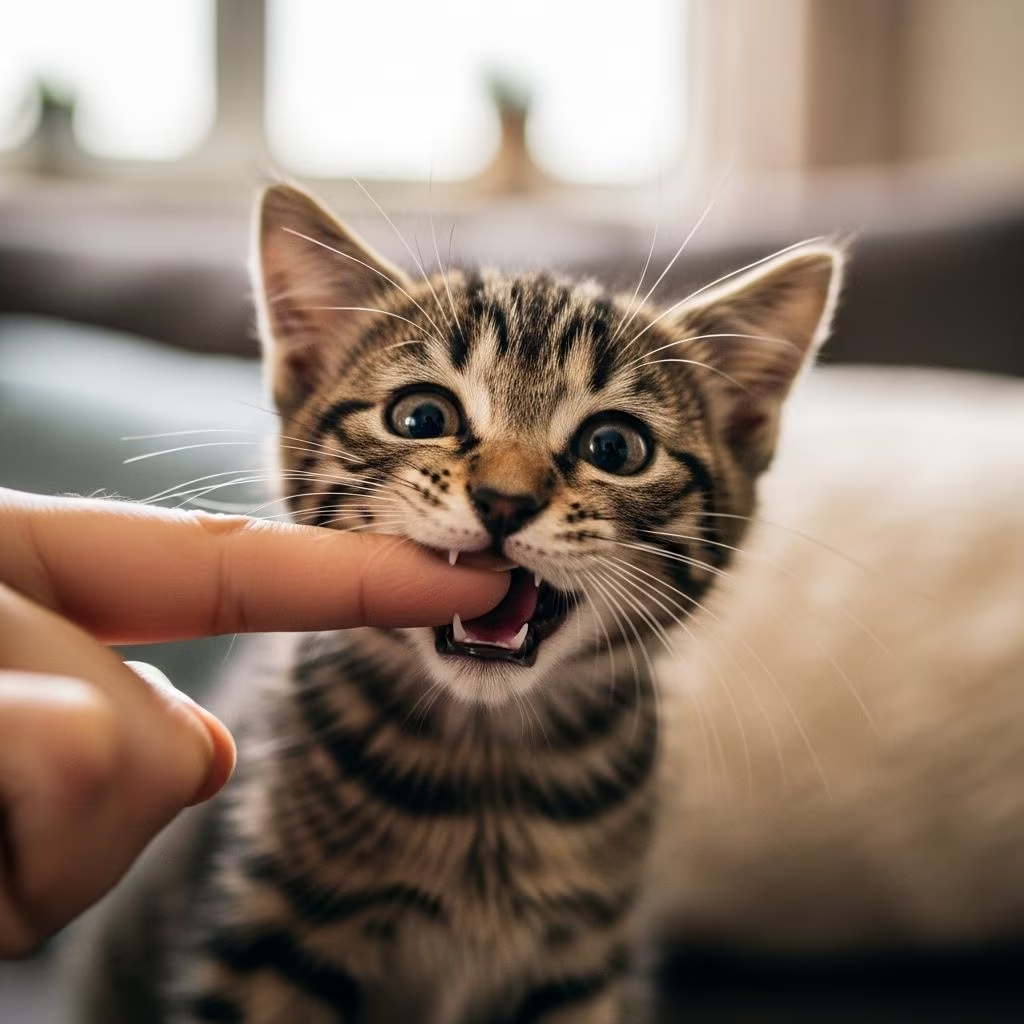
How to Stop a Kitten From Biting and Why It Happens
Kitten biting is a common behavior that many new cat owners encounter, and it can range from gentle nibbles during play to more aggressive nipping that leaves marks. While it may seem concerning, understanding the underlying reasons for this behavior is the first step toward addressing it effectively. With proper socialization, guided playtime, and positive reinforcement strategies, you can help your kitten learn appropriate ways to interact with you and their environment.
Why Do Kittens Bite?
Kittens bite for several different reasons, and recognizing which motivation is behind your kitten’s biting can help you address the behavior more effectively. Let’s explore the most common causes:
Teething
Between two and six months of age, kittens experience teething, a natural developmental stage where their baby teeth fall out and adult teeth come in. During this period, chewing and biting on objects—including your fingers—feels good on their growing teeth and provides relief for their painful gums. This discomfort drives kittens to seek ways to ease the soreness, which is why teething kittens are more prone to biting than others.
Nursing Instincts
Kittens that are not fully weaned may suckle on things, which can feel like a gentle bite. Kittens should nurse on their mother or a bottle until they are 4 to 6 weeks of age. If they haven’t completed this natural weaning process, they may continue to seek out nursing-like behaviors, including gently biting on your skin or clothing as a comfort-seeking behavior.
Play Aggression and Hunting Instincts
Play aggression is an ingrained play behavior inspired by kittens’ natural hunting instincts. Even though your kitten lives in a safe home environment, they’re hardwired to practice hunting skills through play, biting, pouncing, and chasing. This type of biting often appears playful but mimics how they would capture and interact with prey in the wild. During the first year of their life, kittens are in a learning mode, developing their hunting skills and understanding how to be a cat.
Overstimulation
Sometimes too much petting or play can cause sensory overload, leading a kitten to bite as a way of communicating “that’s enough.” Some kittens have a lower tolerance for handling than others, and recognizing the signs of overstimulation—such as tail twitching, ear flattening, or skin rippling—can help you stop before a bite occurs.
Excess Energy
A kitten brimming with energy but lacking proper outlets may resort to biting as a way to burn it off. Without adequate opportunities for play and mental stimulation, kittens become frustrated and may target your hands, feet, or face as outlets for their pent-up energy. This is why ensuring your kitten has enough playtime each day is crucial for preventing biting behavior.
Hunger, Stress, and Anxiety
Just like humans, kittens can become irritable when they’re hungry, stressed, or adjusting to a new environment or schedule. Changes in their surroundings, introduction of new pets, or disruptions to their routine may cause them to feel uneasy. Biting can become a way for kittens to express this discomfort and regain a sense of control.
How to Stop Kitten Biting
Once you understand why your kitten is biting, you can implement effective strategies to reduce or eliminate this behavior. Here are the most proven approaches:
Provide Appropriate Toys and Outlets
Because biting is a natural behavior for kittens, prevention alone may not be enough to curb this behavior. Instead, you must provide acceptable opportunities for your kitten to satisfy their biting needs. Offer a variety of toys designed specifically for kittens to bite, chew, and interact with:
- Stuffed kicker toys that kittens can wrestle with
- Chew toys made from rubber or soft fabric
- Toys that mimic prey, such as furry mice or feather wands
- Crinkle balls that make interesting sounds
- Tunnels for exploring and pouncing
- Food puzzles that provide mental stimulation
Make sure any toys you provide are appropriate for your kitten’s age and size. Regularly rotate toys to keep playtime engaging and prevent boredom.
Immediately and Neutrally Disengage
If your kitten bites during play or to get your attention, the most important response is to immediately and neutrally disengage. You want them to learn that all the fun stops when they bite. Don’t talk to them, make eye contact, or make a big deal about leaving—all of that engagement can be rewarding to your kitten. Instead, look away, stay quiet, and get up and leave with as little action as possible. Wait a couple of minutes, then provide your kitten with an acceptable outlet for their need to bite, such as a stuffed kicker toy.
Avoid Yelping, Jerking Away, or Making Big Movements
Your kitten is learning to hunt, so vocalizing and trying to flee or fight back—the exact behaviors prey would exhibit—can actually escalate their play aggression. When you yelp, jerk away, or move your limbs wildly, you’re essentially encouraging your kitten to chase and bite more intensely. Instead, stay calm and still, making yourself a boring target that no longer provides the interactive play your kitten is seeking.
Identify and Eliminate Triggers
Understanding what’s causing the aggression is important for addressing biting that stems from fear, anxiety, or being overhandled. You’ll want to eliminate triggers where possible. For example, if your kitten gets aggressive when you try to rub their belly, they’re telling you they don’t like that sensation. Respect the boundary, and they won’t have reason to bite. However, for triggers that can’t be removed, like fear of other pets or loud sounds, you can work with your kitten to desensitize them slowly and positively to reduce their stress response.
Provide Natural Ways to Reduce Stress
Make sure you’re meeting all your kitten’s basic needs, which is the first step in reducing stress-related biting. This includes:
- Plenty of easy access to food and fresh water
- Clean litter boxes located in quiet areas
- High perches where kittens can observe their environment
- Hiding spots where they feel safe and secure
- Comfortable resting areas for napping
- Regular play and enrichment activities
Play and enrichment are vitally important to keep your kitten’s mind and body active, which naturally reduces stress and the resulting biting behavior.
Use Cat Calming Pheromones
Feline pheromone products are available as sprays, collars, or plug-in diffusers and can help kittens adjust to new environments and experiences. These products mimic natural calming pheromones that mother cats produce, helping to reduce anxiety and associated aggressive behaviors. Ask your veterinarian for their recommended brands to ensure you’re using a quality product.
Implement Positive Reinforcement Training
Reward-based training plays a vital role in guiding your kitten toward better behavior. Whenever your kitten resists the urge to bite or engages in appropriate play with toys, reward them with treats, gentle praise, or affection. Positive reinforcement helps your kitten link desirable behavior with good outcomes, making them more likely to repeat it in the future.
Give Ample Playtime
To avoid play aggression, make sure your kitten has plenty of time to play every day. Set aside at least 20 to 30 minutes of interactive play sessions daily. Not only is play entertaining for your kitten, but it allows them time to release energy, practice their natural hunting instincts, and work both their minds and bodies. Use toys like wand toys, balls, or laser pointers to keep playtime focused on toys rather than your body, which keeps their hunting instincts engaged while protecting you from sharp teeth.
Work With a Professional
If your kitten’s biting behavior persists despite your efforts, a certified feline training and behavior specialist can work with you to identify what’s upsetting your kitten and teach you the specific training techniques needed to help them overcome it. Professional guidance is particularly valuable for kittens showing signs of fear-based or anxiety-related aggression.
What NOT to Do When Your Kitten Bites
Just as important as knowing what to do is understanding what to avoid. These common mistakes can worsen biting behavior:
- Use physical punishment, which damages your relationship and teaches fear rather than good behavior
- Yell, clap, or make loud sounds that may scare your kitten
- Use aversives like canned air or water sprays, which create fear and anxiety
- Push your kitten away forcefully, which can trigger defensive aggression
- Use your hands and feet as toys during playtime
- Engage in roughhousing unless you’re using appropriate toys and keeping your hands out of the picture
- Pull away quickly or move your limbs wildly to try and keep them away from your kitten
- Force fearful kittens into scary situations
- Corner your kitten so they feel they have no escape and must defend themselves
When Do Kittens Stop Biting?
Understanding the timeline for when kittens naturally reduce their biting can help set realistic expectations. As kittens grow and their teething ends, usually around 6 months of age, the intensity and frequency of biting often decline significantly. Many kittens learn proper play manners between 8 and 12 weeks old, though some may continue nipping until they are 3 to 6 months old. Creating a consistent routine and maintaining consistent boundaries throughout this developmental period helps accelerate the process.
Creating a Consistent Routine
A stable routine can prevent unwanted biting behavior by giving your kitten structure and predictability. Establish scheduled play sessions at regular times each day, set consistent feeding times, and maintain clear boundaries from day one. Make it clear that biting is not acceptable by gently stopping play and offering a toy instead when your kitten starts biting. Consistency is key to reinforcing these boundaries and helping your kitten understand what behaviors are acceptable.
Frequently Asked Questions
Q: Is kitten biting normal behavior?
A: Yes, kitten biting is completely normal behavior. Kittens bite as part of play, teething, and learning how to interact with their world. With proper guidance and training, this behavior naturally decreases as they mature.
Q: How can I tell if my kitten’s biting is playful or aggressive?
A: Playful biting during interactive play is usually part of normal kitten behavior and occurs during designated playtime. Aggressive biting is often accompanied by defensive body language, flattened ears, or occurs when the kitten seems stressed or scared.
Q: What’s the best toy for a teething kitten?
A: The best toys for teething kittens are ones made from safe, soft materials that feel good on their gums. Stuffed kicker toys, rubber chew toys, and soft fabric toys are excellent choices. Always ensure toys are appropriate for your kitten’s age and size.
Q: How much playtime does my kitten need each day?
A: Most kittens benefit from at least 20 to 30 minutes of interactive play per day, spread throughout the day in shorter sessions. This helps burn energy and reduce biting behavior related to excess energy or boredom.
Q: Should I ever use physical punishment to stop kitten biting?
A: No, physical punishment should never be used to stop kitten biting. It damages your relationship with your kitten, creates fear and anxiety, and can actually increase aggressive behavior. Positive reinforcement and redirection are far more effective.
References
- How to Stop Kittens from Biting — Zoetis Petcare. 2024. https://www.zoetispetcare.com/blog/article/how-stop-kittens-biting
- Kittens Bite Explained: Causes and Effective Solutions — Autumn Trails Veterinary Clinic. 2024. https://autumntrailsvet.com/why-do-kittens-bite-and-how-to-stop-them/
- How to Stop Kitten Biting — Purina US. 2024. https://www.purina.com/articles/cat/kitten/behavior/how-to-stop-kitten-biting
- How To Handle Kitten Biting — VCA Animal Hospitals. 2024. https://vcahospitals.com/pediatric/kitten/behavior-training/how-to-deal-with-kitten-biting



