

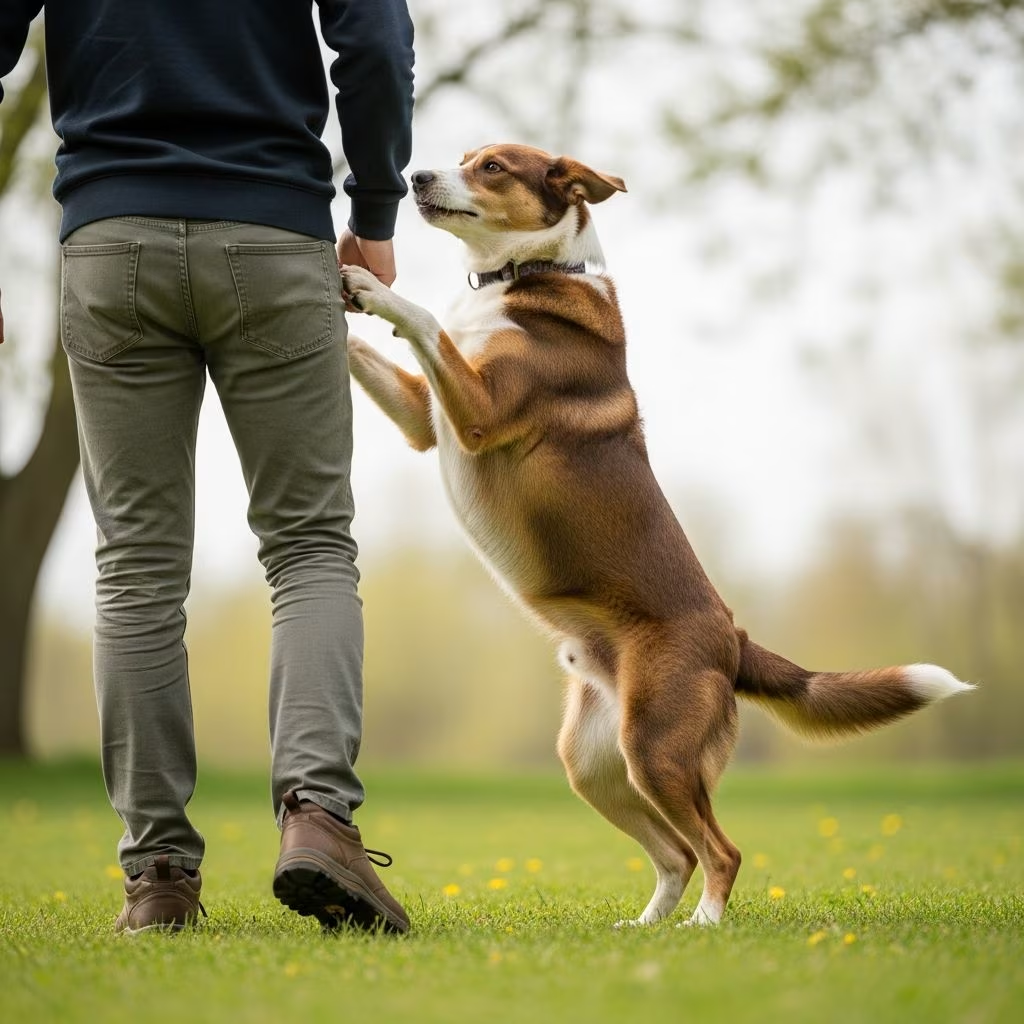
How to Stop Dogs From Jumping on People
Dogs jumping on people as a greeting can be an unpleasant or even dangerous behavior. When a small dog jumps, they may startle someone or cause them to lose their balance. While an excited puppy jumping on people might appear adorable initially, encouraging this behavior is problematic as dogs grow older and larger. The good news is that the dog training method to stop dogs from jumping up on people is straightforward, provided you remain consistent with your approach and commitment to the training process.
Understanding Why Dogs Jump on People
Before addressing solutions, it’s important to understand the root cause of this behavior. A dog who jumps on people most likely does so because they receive attention for it. Even pushing the dog away or shouting at them can seem like part of an enjoyable game to the dog, since it constitutes attention. Additionally, some people actively enjoy and encourage jumping by laughing and playing with the dog when they jump. This makes it crucial to ask friends and family members not to encourage the jumping behavior, even though it might be challenging for them. Everyone involved must play a part in teaching the dog good manners and appropriate social behaviors.
The Foundation: Prevention and Training Preparation
The most effective approach to teaching a dog to stop jumping is prevention combined with teaching proper greeting protocols. Dogs can easily learn to sit every time they greet a person, regardless of how excited they are to see that person. When trained to associate meeting a person with a sit cue and a treat reward, dogs will soon sit and wait for a treat without needing a cue.
Prevention Strategies
The first critical step is preventing your dog from practicing the jumping behavior so they don’t receive any attention for it. When guests arrive at your home, keep your dog in a separate room, behind a gate, or in an exercise pen. This prevents them from having the opportunity to jump and receive the reinforcement they seek. This prevention phase is essential while you work on teaching alternative behaviors.
Step-by-Step Training Process
Following a structured training approach will help you achieve consistent results. Here’s how to implement each phase of the training program:
Teaching the Sit Cue
Begin by teaching your dog the sit cue in a controlled environment without the distraction of guests. Hold a treat in front of your dog’s nose, just out of their reach. Raise the treat toward the top of your dog’s head. As their head follows the treat upward, their rear end will naturally go down. The moment your dog’s rear hits the floor, use a marker—either click a clicker or say a word like “yes”—immediately give them the treat and provide praise.
If your dog jumps up rather than sits, you’re likely holding the treat too high. Adjust the treat position lower. If your dog backs up instead of sitting, try teaching the cue with a wall behind your dog to prevent backing up. Practice this until your dog consistently sits for a treat without hesitation.
Practicing with the Entry Scenario
Once your dog is reliably sitting for a treat, begin practicing with yourself as the visitor. Place a mat or dog bed inside the entryway of your house on the spot where your dog will be positioned when the door opens. Many entryways have tile or wood flooring, which can be slippery and uncomfortable for dogs, so providing a mat increases their willingness to sit or lie down on it. Place a treat jar outside your door for easy access.
Go outside and pick up a treat. As you enter the house, ask your dog to sit. Use your body to position the dog on the mat as you walk in. Do not give the treat or praise until the dog sits. Be patient and avoid using an angry tone if your dog doesn’t comply immediately. Simply say “sit” once and wait. If necessary, lure your dog into a sit with the treat. If your dog doesn’t sit, practice more without exiting and entering, and consider using more enticing treats. When your dog is consistently sitting for a treat, try the exit-and-entry routine again.
Adding Realistic Triggers
When your dog is greeting you with a good sit as you open the door, begin adding a knock or ring of the doorbell. This introduces more realistic triggers that simulate an actual visitor arrival. Once your dog is doing well with this addition, practice with friends. Have friends come to the door, knock, and ask for a sit as they enter. Leave the treat jar outside the door so that everyone who enters can be prepared to reward your dog for a polite greeting. This ensures consistency across all visitors.
Managing Challenges During Training
Your dog might be so excited or habituated to jumping that learning to automatically sit proves challenging. If they jump on you during training, turn to the side and stop giving them attention. Once they stop jumping, ask for a sit and then reward with a treat. Refrain from giving lots of praise and getting them excited, as excessive enthusiasm might cause them to jump up again. If they continue to jump persistently, you can remove yourself from the room or area entirely until they calm down.
Using Barriers Effectively
When starting to practice with new people, use a gate or exercise pen as necessary to prevent the jumping behavior. Reward your dog for sitting behind the barrier. After your dog is sitting consistently, you can gradually stop using the barrier. However, if your dog ever shows any lapses in politeness or reverts to jumping, back up in your training and reintroduce the barrier temporarily. This is perfectly normal and doesn’t indicate failure—it simply means your dog needs more practice before being ready for the next level.
Maintaining Long-Term Success
Consistent Reinforcement
Remember to reward the sit with a treat every single time while your dog is learning. You want to make it as easy as possible for your dog to succeed. Consistency is the key to transforming jumping from a habitual behavior into a past behavior. Eventually, as the behavior becomes deeply ingrained, you can gradually reduce treat frequency, but during the learning phase, consistent rewards are essential for success.
Involving Everyone
The entire household and all regular visitors must understand and participate in the training protocol. If some family members or friends still encourage jumping when you’re not present, your dog will receive mixed messages and progress will be significantly delayed. A household meeting to explain the new greeting protocol and why it’s important can help ensure everyone is on board with the program.
Key Training Principles Summary
| Training Phase | Focus Area | Duration | Success Indicator |
|---|---|---|---|
| Prevention | Prevent jumping practice | Ongoing | Dog doesn’t jump when guests arrive |
| Sit Training | Teach basic sit cue | 1-2 weeks | Consistent sitting on command |
| Entry Practice | Practice entry scenarios | 2-3 weeks | Sits when door opens |
| Trigger Integration | Add doorbell and visitors | 2-4 weeks | Sits despite realistic triggers |
| Maintenance | Reinforce learned behavior | Ongoing | Polite greeting is automatic |
Frequently Asked Questions About Dog Jumping
Q: How long does it typically take to stop a dog from jumping?
A: The timeline varies depending on your dog’s age, how long they’ve been jumping, and consistency of training. Most dogs show significant improvement within 2-4 weeks of consistent training, though puppies may learn faster than adult dogs with established habits.
Q: What if my dog is very large or powerful?
A: Large dogs jumping is particularly important to address for safety reasons. Follow the same training steps but be extra diligent about prevention and use higher-value treats as motivation. Consider working with a professional trainer if the dog’s strength makes handling difficult.
Q: Can I use punishment to stop jumping?
A: Punishment is not recommended as it can increase anxiety and confusion. Positive reinforcement methods, like rewarding sits, are more effective and don’t damage your relationship with your dog or create additional behavioral issues.
Q: What should I do if my dog jumps on me at other locations outside my home?
A: Once your dog is reliable at home, practice the same protocol in other environments like parks or on walks. Bring treats with you and practice greeting scenarios in different locations to generalize the behavior.
Q: Is it ever too late to train an older dog not to jump?
A: No, it’s never too late. Older dogs can learn new behaviors, though it may take longer than training a younger dog who has fewer established habits. Patience and consistency are key with senior dogs.
Q: Should I use a crate if my dog keeps jumping despite training?
A: A crate can be useful as a management tool temporarily, but it should be combined with active training. The goal is for your dog to learn appropriate behavior, not to permanently manage the behavior with barriers.
Additional Tips for Success
Enlist the help of friends and family in your training efforts. Having multiple people practice the greeting protocol with your dog helps generalize the behavior across different people and situations. Remember that every person who enters your home should be part of the solution. Taking just a few extra minutes to reward a polite greeting is a small investment in creating a well-mannered dog.
Keep training sessions short and positive. End on a successful note so your dog remains enthusiastic about training. If you find you’re becoming frustrated, take a break. Dogs sense our emotions, and frustration can undermine training effectiveness. Finally, celebrate small victories—each time your dog chooses to sit instead of jump is progress worth acknowledging.
With patience, consistency, and positive reinforcement, your dog will learn that sitting politely is the best way to greet people and receive the attention they crave. This training investment now will result in a well-mannered, happy companion for years to come.
References
- How to Stop Dogs From Jumping on People — Best Friends Animal Society. 2025. https://bestfriends.org/pet-care-resources/how-stop-dogs-jumping-people
- How to Manage Dog Barrier Aggression and Frustration — Best Friends Animal Society. 2025. https://bestfriends.org/pet-care-resources/how-manage-dog-barrier-aggression-and-frustration
- Effective Strategies to Train Your Dog Not to Jump on People — DHgate Smart. 2024. https://smart.dhgate.com/effective-strategies-to-train-your-dog-not-to-jump-on-people/



