

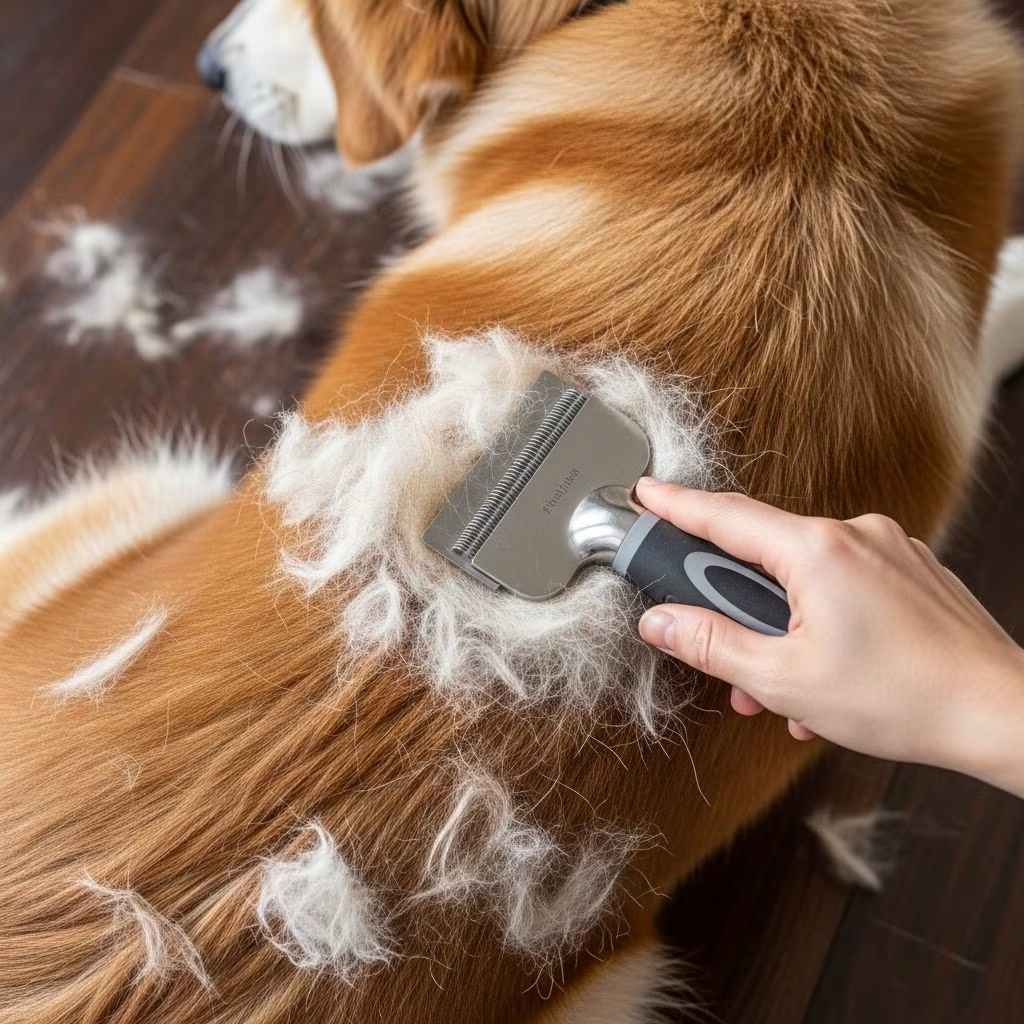
Shedding is a natural process for most dogs, essential for maintaining healthy skin and fur by replacing old, damaged hair with new growth. While you cannot completely stop shedding without harming your dog, consistent grooming, proper nutrition, and health management can significantly reduce excess hair around your home.
Why do dogs shed?
Dogs shed as part of their natural hair growth cycle, similar to humans, where old hair follicles die and fall out to make way for new hair. This process helps regulate body temperature, remove damaged fur, and promote skin health. Seasonal shedding is common, with many dogs growing thicker undercoats in winter and shedding them in spring and autumn to adapt to warmer weather.
Every hair on a dog’s body follows its own life cycle: growth, rest, and shedding phases. Factors like breed, coat type, and environmental changes influence the intensity. For instance, dogs with double coats shed more noticeably during seasonal transitions to manage insulation.
Which dog breeds shed the most?
Breeds with thick double coats, designed for harsh climates, tend to shed heavily year-round or seasonally. High-shedding breeds include:
- Huskies
- Akitas
- Alaskan Malamutes
- Pyrenean Mountain Dogs
- Corgis
- Chow Chows
- Labrador Retrievers
- German Shepherds
These dogs have dense undercoats that protect against cold but require more shedding for temperature regulation. Surprisingly, some short-coated breeds shed heavily too, though the hair is less visible due to length.
Low-shedding breeds produce less dander and fur, making them ideal for allergy sufferers or those seeking minimal cleanup. Examples include:
- Poodles
- Miniature Schnauzers
- Yorkshire Terriers
- Bichon Frisé
- Maltese
These breeds have hair-like coats rather than fur, shedding slowly and less noticeably. Even low-shedders need regular grooming to prevent matting, which can cause pain and skin issues.
Do female dogs shed more?
Shedding patterns are generally similar between male and female dogs, with sex not significantly affecting timing or volume. However, females may experience increased shedding due to hormonal fluctuations, such as during heat cycles, pregnancy, or postpartum periods. Pregnancy can deplete nutrients like calcium and minerals needed for coat health, leading to excessive shedding.
Monitor hormonal-related shedding closely; if it persists beyond the cycle, consult a vet to rule out deficiencies or other issues.
Can you stop a dog from shedding and is it safe?
Completely stopping shedding is neither possible nor safe, as it disrupts the natural renewal of skin and fur, potentially leading to skin infections or overheating. Instead, focus on reduction strategies like regular brushing, bathing, and diet improvements to remove loose hair before it spreads.
Avoid harsh methods: never shave double-coated breeds, as this ruins their natural insulation, causes skin problems, and may prolong shedding. Use gentle tools and techniques to maintain coat health without force.
Is it safe to vacuum your shedding dog?
Vacuuming dogs has gained popularity via social media, but it’s not suitable for all pups. Use pet-specific attachments with low suction to avoid injury or stress. Many dogs fear the noise, potentially leading to anxiety or aggression if forced.
Introduce slowly with positive reinforcement: treats, praise, and short sessions. Tools like the Dyson Pet Grooming Kit can effectively remove loose fur for noise-tolerant dogs. Always prioritize your dog’s comfort; traditional brushing is safer for most.
How to reduce dog shedding: practical tips
Managing shedding involves a multi-faceted approach. Here’s a comprehensive guide:
1. Regular Grooming
Brush daily or every other day, especially during peak shedding seasons. Choose the right brush for your dog’s coat:
| Coat Type | Recommended Brush | Benefits |
|---|---|---|
| Short, smooth | Slicker or rubber brush | Removes loose hair gently |
| Double coat | Undercoat rake | Targets undercoat without damaging guard hairs |
| Long, wavy | Pinning brush | Detangles and distributes oils |
| Wire-haired | Wire slicker | Prevents matting |
Bathing every 4-6 weeks with a moisturizing, dog-safe shampoo removes dead undercoat and adds shine. Professional grooming quarterly helps with hard-to-reach areas.
2. Nutrition and Supplements
A high-quality diet rich in omega-3 and omega-6 fatty acids (from fish oil, flaxseed) supports coat health and reduces shedding. Look for foods with:
- High protein (25-30% minimum)
- Proteinate minerals
- Fresh meats and oils like coconut or camelina oil
Supplements like omega fatty acids can improve coat gloss and minimize loss. Transition diets gradually over 7-10 days to avoid digestive upset. Poor nutrition often causes excessive shedding.
3. Health Checks and Parasite Control
Excessive shedding signals underlying issues: allergies, fleas, ticks, stress, or infections. Check for pests on head, neck, rump, and belly; use vet-recommended preventatives.
Annual vet exams rule out hypothyroidism, mange, or nutritional deficiencies. Females post-pregnancy may need mineral boosts.
4. Home Management
- Use lint rollers, pet hair removers on furniture.
- Wash pet bedding weekly in hot water.
- Invest in robot vacuums or HEPA-filter models for daily cleanup.
- Low-shed breeds or hairless options (e.g., Chinese Crested) for minimal fur, though they need sun protection.
When to see a vet for excessive shedding
Normal shedding is steady or seasonal; excessive is patchy baldness, hot spots, itching, dull coat, or off-season heavy loss. Causes include:
- Allergies (food/environmental)
- Parasites
- Poor diet
- Hormonal imbalances
- Stress
- Skin conditions
See a vet promptly for diagnosis; treatments range from medicated shampoos to diet changes or antibiotics. Early intervention prevents worsening.
Frequently Asked Questions (FAQs)
Can all dogs be made completely non-shedding?
No, shedding is biological; low-shed breeds minimize it but still require grooming.
How often should I brush my shedding dog?
Daily for heavy shedders, 2-3 times weekly for others, more during seasons.
Does diet really affect shedding?
Yes, nutrient-rich food with omegas strengthens coats and reduces excess loss.
Are hypoallergenic dogs truly hair-free?
No dog is 100% hypoallergenic; low-shedders produce less dander, the main allergen.
Is shaving a shedding dog okay?
No, especially double-coated breeds; it harms insulation and skin.
References
- Can You Stop Your Dog Shedding? — Kinship. 2023. https://www.kinship.com/uk/dog-health/how-to-stop-dog-shedding
- Dog Shedding – Why Does It Happen? — Good Dog People. 2024. https://gooddogpeople.com/blogs/dog-talk/dog-shedding-why-does-it-happen
- The Secret to Saving Your Sanity With a Shedding Dog — PPC Vets. 2023. https://www.ppcvets.com/services/dogs/blog/secret-saving-your-sanity-shedding-dog
- Dog Hair Here, Dog Hair There: Dog Shedding Guide — YEG Vet (Gateway Veterinary Centre). 2024. https://www.yegvet.ca/dog-hair-here-dog-hair-there-dog-hair-everywhere-dog-shedding-guide/
- This Oil Is the Secret to Glossy Dog Hair — Kinship (Claudia Kawczynska). 2023. https://www.kinship.com/author/claudia-kawczynska



