

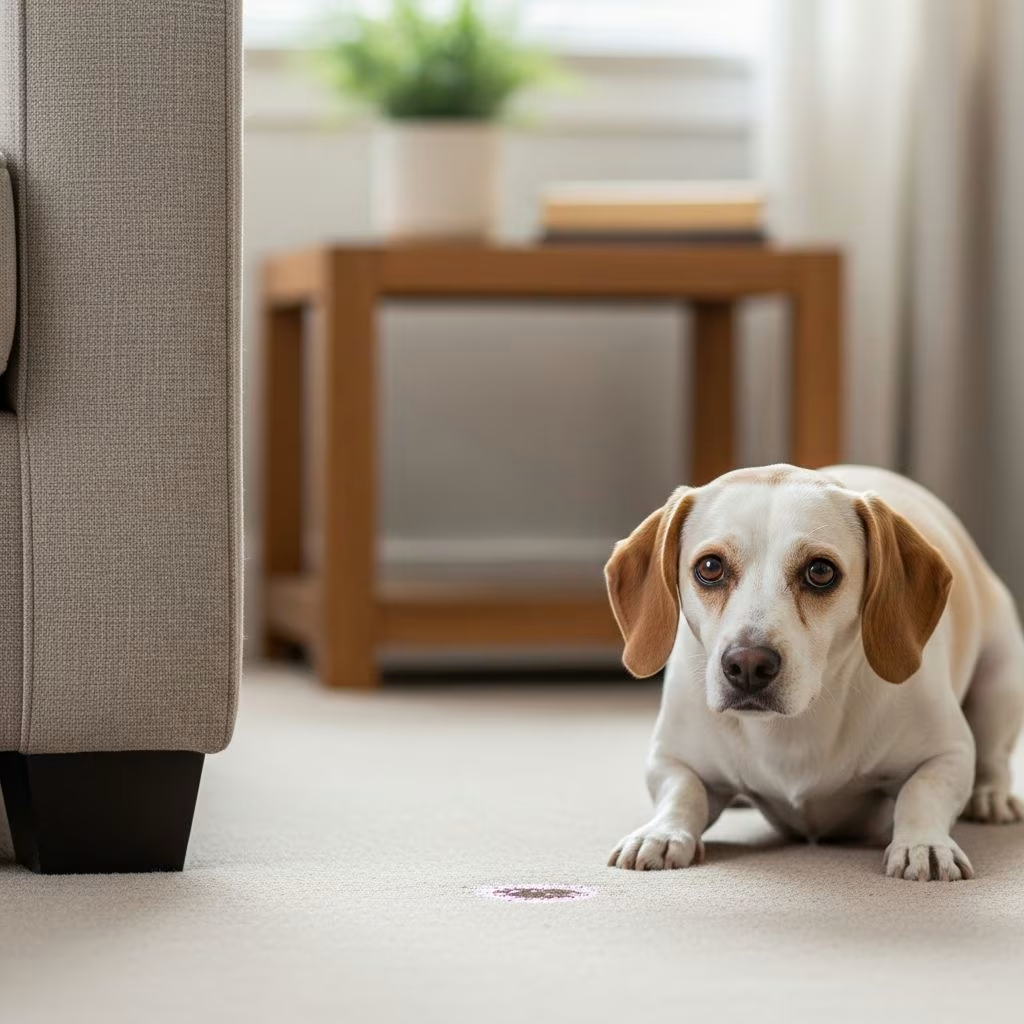
Dog marking, where dogs deposit small amounts of urine to claim territory, is a common instinctual behavior that can become problematic indoors. Understanding the causes and implementing targeted strategies like neutering, thorough cleaning, and positive training can effectively stop this habit, restoring harmony in your home.
What Is Dog Marking?
Dog marking is a natural communication method where dogs, primarily males but also females, lift a leg to spray small quantities of urine on vertical surfaces such as furniture legs, walls, or door frames. Unlike full bladder elimination, which involves squatting and larger volumes, marking uses just a few drops to leave a scent signal. This behavior stems from wolves, where pack members mark boundaries to communicate presence, status, and reproductive availability.
Marking serves multiple purposes: territorial advertisement, social signaling to other dogs, and sometimes stress relief. Intact (unneutered/unspayed) dogs mark more frequently due to hormonal influences, but even altered dogs can exhibit it under certain triggers. Recognizing marking versus house soiling accidents is key—marking is deliberate and targeted, often in repeated spots, while accidents are larger puddles from untrained puppies or medical issues.
Why Do Dogs Mark?
Dogs mark for instinctual and environmental reasons. Here are the primary causes:
- Territorial Instinct: To claim ownership of their space, especially near entry points like doors or windows where intruders (other animals) might be spotted.
- Hormonal Drives: Intact males and females in heat mark to signal availability for mating. Puberty onset often triggers this.
- Anxiety or Stress: Changes like new pets, people, schedules, or moves prompt marking as a coping mechanism.
- Excitement/Overstimulation: High-energy dogs may mark during greetings, play, or new environments.
- Social Cues: In multi-dog homes, one dog’s marking can trigger others, or neighborhood dogs visible outside stimulate it.
Medical issues must be ruled out first, as urinary tract infections (UTIs), diabetes, or incontinence can mimic marking. A vet check is essential before behavioral interventions.
When Is Dog Marking a Problem?
Marking becomes problematic when it occurs indoors, especially in house-trained dogs, leading to persistent odors, damaged belongings, and household tension. Key indicators include:
- Leg-lifting indoors on furniture, walls, or carpets after successful potty training.
- Multiple small spots daily, versus one large accident.
- Conflict in multi-pet homes or frustration for owners cleaning repeatedly.
- Escalation despite training, signaling underlying anxiety or health issues.
Outdoor marking is normal, but indoor incidents disrupt hygiene and can perpetuate if scents linger. About 50-60% of cases improve with neutering, but established habits in adults may persist.
How to Stop Dog Marking: Proven Strategies
Stopping dog marking requires a multi-faceted approach combining management, training, and addressing root causes. Consistency is crucial for success.
1. Rule Out Medical Issues and Consider Spaying/Neutering
Schedule a vet visit to exclude UTIs or other conditions mimicking marking. For intact dogs, spay/neuter early—ideally before maturity—to prevent up to 80% of cases in males. Studies show neutering reduces marking significantly, though not always 100%, especially in long-term habits. Females in heat also mark, so spaying eliminates this trigger.
2. Clean Marked Areas Thoroughly
Dogs return to spots with residual scents. Use enzymatic cleaners (e.g., Nature’s Miracle) that break down urine proteins—never ammonia, which smells like urine to dogs. Saturate the area, let sit, and blot. For fabrics, multiple treatments may be needed. This removes the ‘invitation’ to re-mark.
3. Supervise and Manage the Environment
Close supervision catches marking ‘in the act.’ Use belly bands (absorbent wraps for males) as a temporary barrier. Block access to problem areas with baby gates, especially doors/windows overlooking yards. In multi-dog homes, separate during greetings and resolve conflicts to prevent copycat marking.
Crate training or confining to easy-clean areas when unsupervised prevents incidents. Establish pack hierarchy: feed, walk, and play first to reinforce leadership, reducing status-related marking.
4. Positive Reinforcement Training
Reward appropriate elimination outdoors. When your dog signals to go out or eliminates correctly, praise lavishly and treat. Interrupt indoor marking attempts with a firm ‘no,’ then rush outside for reward. Teach ‘go potty’ cues during consistent potty breaks.
Use treats to reinforce calm behavior near triggers. For persistent cases, consult a certified trainer for tailored sessions.
5. Reduce Anxiety and Stress
Identify triggers like routine changes or new household members. Provide pheromone diffusers (Adaptil) to promote calm. Create a safe space with bedding and toys. Medications may help severe anxiety cases, prescribed by vets alongside behavior plans.
6. Increase Exercise and Mental Stimulation
Bored or high-energy dogs mark from excess energy. Aim for 30-60 minutes daily walks, runs, or fetch, plus puzzle toys and training games. Tired dogs are less likely to mark impulsively.
Additional Tips
- Feed/treat/play in marking-prone areas to associate positively.
- Avoid punishment, which increases stress and worsens marking.
- Track incidents in a journal to spot patterns and measure progress.
| Strategy | Effectiveness | Best For |
|---|---|---|
| Neutering | 50-80% reduction | Intact dogs |
| Enzymatic Cleaning | High, prevents recidivism | All cases |
| Supervision/Belly Bands | Immediate management | Indoor prevention |
| Training/Exercise | Long-term behavior change | Anxiety/excitement |
Frequently Asked Questions (FAQs)
Will neutering completely stop my dog from marking?
Not always, especially if the habit is ingrained. It reduces by 50-80% in most males but combine with training for best results.
What cleaner works best for dog urine marks?
Enzymatic cleaners like Nature’s Miracle digest proteins fully, unlike steam or ammonia cleaners.
Why is my house-trained dog suddenly marking?
Triggers include stress, new pets/people, or health issues. Vet check first, then manage changes.
How long does it take to stop dog marking?
Weeks to months with consistency. Track progress and adjust strategies.
Do female dogs mark too?
Yes, especially unspayed ones in heat, though less common than males.
References
- Understanding Marking Behavior in Dogs: Causes, Solutions — Pupford. 2023. https://pupford.com/blogs/all/marking-behavior-dogs
- Dog Behavior Problems: Marking Behavior — Arch Animal Hospital West. 2023-10-01. https://archanimalhospitalwest.com/dog-behavior-problems-marking-behavior/
- Dog Marking and Peeing in the House: Causes and How to Stop It — Best Friends Animal Society. 2023. https://bestfriends.org/pet-care-resources/dog-marking-and-peeing-house-causes-and-how-stop-it
- Stop Your Dog From Marking — DoodyCalls. 2023. https://www.doodycalls.com/articles/blog/dog-behavior-training/stop-your-dog-from-marking/
- Dog & Cat Territorial Marking Behavior — Santa Barbara Humane. 2023. https://sbhumane.org/resources/territorial-marking/
- Curbing the Issue of Dog Marking — American Kennel Club (AKC). 2023-05-15. https://www.akc.org/expert-advice/training/curbing-marking/



