

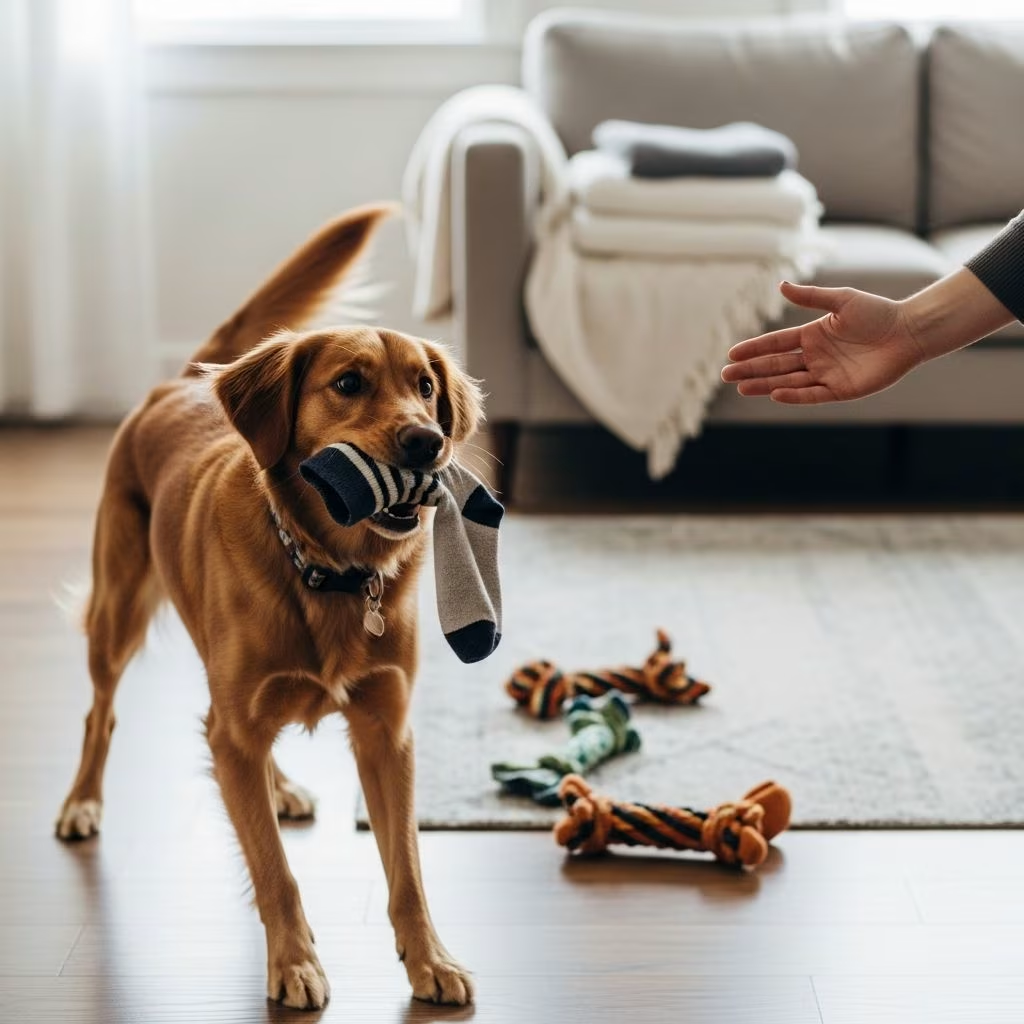
How to Stop a Dog from Stealing: Training Tips and Behavioral Solutions
Does your dog have a habit of snatching items off the counter, stealing socks from the laundry basket, or making off with your slippers? Dog stealing behavior is one of the most common behavioral issues pet owners face, and it can range from mildly annoying to genuinely dangerous if your dog ingests something harmful. Understanding why dogs steal and learning how to address this behavior effectively can help you restore peace to your household and keep your furry friend safe.
Stealing behavior in dogs isn’t always a sign of mischief or defiance—it’s often driven by a combination of instinct, boredom, attention-seeking, and environmental opportunity. The good news is that with patience, consistency, and the right training techniques, you can successfully stop your dog from stealing and teach them more appropriate behaviors.
Understanding Why Dogs Steal
Before tackling solutions, it’s important to understand the root causes of stealing behavior. Dogs steal for various reasons, and identifying the motivation behind your dog’s behavior can help you address it more effectively.
Boredom and Under-Stimulation: One of the most common reasons dogs steal is because they’re bored. Dogs need both mental and physical stimulation to stay content. When they lack proper exercise or mental engagement, they may turn to stealing as a form of entertainment.
Attention-Seeking: If your dog has learned that stealing gets a reaction from you—even if it’s negative—they may continue the behavior just to get your attention. The excitement of the chase or the verbal response can be rewarding enough to keep them stealing.
Natural Instincts: Some dogs have an inherent desire to chase, grab, and carry objects. This natural predatory instinct can manifest as stealing behavior, especially in breeds with high prey drives.
Playing and Collecting: For some dogs, stealing is simply a form of play. They may enjoy the interaction or the challenge of keeping an item away from you.
Prevention: The First Line of Defense
The most effective approach to stopping stealing behavior is prevention. By making it impossible or difficult for your dog to steal in the first place, you eliminate opportunities for the behavior to be reinforced.
Puppy-Proof Your Home
Creating a dog-proof environment is essential for preventing theft. This involves removing temptation and limiting your dog’s access to items they shouldn’t have.
- Store shoes in the closet rather than leaving them on the floor
- Use closed hampers with secure lids instead of open laundry baskets
- Keep garbage cans in cabinets or use cans with tight-fitting lids
- Close pantry doors and secure food storage areas
- Place kitchen towels on upper cabinets out of reach
- Use child-proofing devices and barrier gates to prevent access to restricted areas
- Put the trash can under the sink or in a secure location
The principle is simple: if your dog can’t access forbidden objects, they can’t steal them. This also prevents the behavior from becoming more established through repeated practice.
Environmental Management During Mealtimes
Food theft is particularly common, so managing the environment during food preparation and eating is crucial.
- Keep food out of reach on counters and tables
- Supervise your dog closely during mealtimes
- Use baby gates to create safe spaces away from food preparation areas
- Crate your dog during meals if necessary
- Clean up spills immediately
Teaching Essential Commands
Once you’ve managed your environment, the next step is teaching your dog specific commands that allow you to control stealing behavior and retrieve stolen items. These commands are fundamental to addressing the problem.
Teaching the “Leave It” Command
The “leave it” command is one of the most important skills you can teach your dog to prevent stealing. This command tells your dog not to touch or take an item.
Training Steps:
- Start with low-value treats in your closed hand
- When your dog tries to take the treat, keep your fist closed
- When your dog backs away, immediately open your hand and reward them with a treat from your other hand
- Practice repeatedly, reinforcing that moving away from the item is rewarding
- Gradually progress to more valuable items
- Eventually phase out food rewards while maintaining verbal praise
When training with low-value items, calmly say “leave it” and turn your dog’s head using a head collar if available. Quickly offer a food reward and praise when they comply. As your dog learns the meaning of the phrase, they’ll begin to turn their head away from tempting items, even without physical guidance.
Teaching the “Drop It” Command
If prevention fails and your dog does steal something, you need a reliable way to retrieve it. The “drop it” command is essential for this purpose.
Training Approach:
- Have high-value treats ready
- Drop a line of high-value treats starting near your dog and moving several feet away
- When your dog drops the item to chase the treats, immediately retrieve the item
- Return the item to your dog to show that relinquishing it isn’t permanent
- Repeat this process multiple times over several sessions
- After several days of conditioning, your dog will associate dropping items with receiving rewards
Remember that training a successful drop command prevents damage and possessive aggression, but it doesn’t necessarily stop the stealing behavior itself—it only helps you retrieve stolen items.
Teaching the “Take It” Command
An often-overlooked training tool, the “take it” command helps establish that you control what your dog takes and leaves. When there are items your dog is allowed to pick up, use the “take it” command to differentiate between acceptable and unacceptable items.
Managing In-the-Moment Stealing
When your dog steals something while you’re present, you need effective techniques to interrupt and redirect the behavior.
Using a Long Leash
If your puppy steals in your presence, leaving a long leash attached—preferably to a head halter—provides excellent control and prevention. As your dog begins to approach objects it might chew or areas you consider off-limits, a quick pull on the leash coupled with a “leave it” command and praise for compliance teaches them to stay away.
Trade-Based Training
Teaching your dog to trade items creates a positive association with giving things up. Offer something more valuable than what they’ve stolen in exchange for the item.
Example: Offer a piece of chicken for a stolen toy. Once they’ve eaten the chicken, give the toy back. This teaches your dog that giving items to you is beneficial and that they’ll get things returned to them.
Using High-Value Treats as a Distraction
When your dog steals something, you can calmly approach and slowly toss high-value treats several feet away. When your dog leaves the item to eat the treats, you can quietly retrieve it. This method redirects their focus without creating a chase game or confrontation.
Addressing Stealing When You’re Away
Preventing stealing when you’re absent requires either preventing access to problem areas or using deterrent devices.
Environmental Restriction
The most reliable approach is ensuring your dog cannot access areas where theft occurs. This might mean:
- Closing bedroom doors
- Using barrier gates to restrict access
- Crating your dog in a safe space
- Removing tempting items from accessible areas
Using Deterrent Devices (Booby Traps)
When direct prevention isn’t possible, booby traps can teach your dog to avoid certain areas or items. These aversive techniques work best when sufficiently unpleasant to deter behavior.
Effective Deterrent Options:
- Taste Aversives: Bitter or extremely hot-tasting sprays applied to objects make them unpleasant to chew or touch
- Motion Detector Alarms: Devices that emit loud sounds when motion is detected discourage approach
- Air Sprayers: Motion-activated sprays (like Ssscat) surprise the dog without causing harm
- Snappy Trainers: Mechanical devices that snap and create a startling sound
- Remote Spray Collars: Activated when the dog approaches forbidden areas
Pairing these deterrents with visual markers—such as gates, ribbons, handkerchiefs, or aluminum foil placed across doorways or on furniture—helps your dog learn what and where to avoid.
Rewarding Appropriate Behavior
While preventing unwanted behavior is important, actively rewarding appropriate behavior is equally essential for building new habits.
Reward Calm Behavior: When your dog waits patiently during meal prep, refrains from stealing available items, or shows calm behavior around tempting objects, provide attention, praise, or a small treat. This reinforces self-control and shows your dog that good behavior is rewarding.
Provide Mental and Physical Stimulation: Bored or under-stimulated dogs are more likely to steal as entertainment. Regular walks, puzzle toys, interactive games, and training sessions provide appropriate outlets for your dog’s energy and focus.
Consistency and Follow-Through
Success in stopping stealing behavior depends on consistency. Never encourage your dog to take items off furniture or enter restricted rooms, and ensure that nothing particularly appealing is left in these spaces that might encourage your dog to revisit. All family members must follow the same rules and training protocols.
Prevention is your foundation, but consistency in training, management, and reinforcement is what creates lasting change. Be patient—habit formation takes time, and with repeated positive experiences, your dog will learn that stealing is neither necessary nor rewarding.
When to Seek Professional Help
If stealing behavior is severe, involves possessive aggression, or doesn’t improve with these techniques, consulting a professional dog trainer or veterinary behaviorist is advisable. They can assess your dog’s specific situation and develop a customized training plan.
Frequently Asked Questions
Q: Why does my dog steal things even when I punish them?
A: Punishment often doesn’t work because the attention and chase game that follow can be rewarding enough to maintain the behavior. Instead, focus on prevention and teaching alternative behaviors. The key is making stealing unrewarding and following the “leave it” and “drop it” commands rewarding.
Q: Is it ever okay to let my dog have something to steal?
A: Yes, but only with specific items you approve of and under controlled conditions. Having approved items available helps your dog distinguish between acceptable and unacceptable objects. However, this should only happen after you’ve established strong “leave it” and “drop it” commands.
Q: How long does it take to stop stealing behavior?
A: The timeline varies depending on your dog’s age, how established the behavior is, and how consistently you implement training. Most dogs show improvement within 2-4 weeks of consistent training, but complete habit elimination may take several months.
Q: Can I use shake cans or noise-making devices to stop stealing?
A: Noise-making devices can be effective deterrents when you’re supervising, but they don’t teach your dog what they should do instead. Combine these techniques with positive training methods for best results.
Q: What’s the difference between stealing and play?
A: Sometimes what looks like stealing is actually your dog trying to engage you in play. If your dog steals items and then waits for you to chase them, they may be seeking interaction. Providing appropriate play and toys can redirect this behavior.
Q: Should I ever chase my dog when they steal something?
A: Chasing is generally not recommended, as it can turn stealing into a game and actually reinforce the behavior. Instead, use the trade method or drop treat approach to recover items without creating an exciting chase scenario.
References
- Dog Behavior Problems – Stealing and Stay Away — VCA Animal Hospitals. 2024. https://vcahospitals.com/know-your-pet/dog-behavior-problems-stealing-and-stay-away
- How to Prevent Your Dog From Stealing Things — American Kennel Club. 2024. https://www.akc.org/expert-advice/training/does-your-dog-steal-things/
- Help! My Dog Steals Stuff — Dog & Puppy Training — Koinonia Dogs. 2024. https://www.koinoniadogs.com/blog/help-my-dog-steals-stuff
- Why Dogs Steal Food and How to Put an End to It — K9s Place. 2024. https://k9splace.com/blog/behavior/why-dogs-steal-food-and-how-to-put-an-end-to-it/
- My Dog Steals Everything — Top Dog Training. 2024. https://topdogtrainingny.com/my-dog-steals-everything/



