

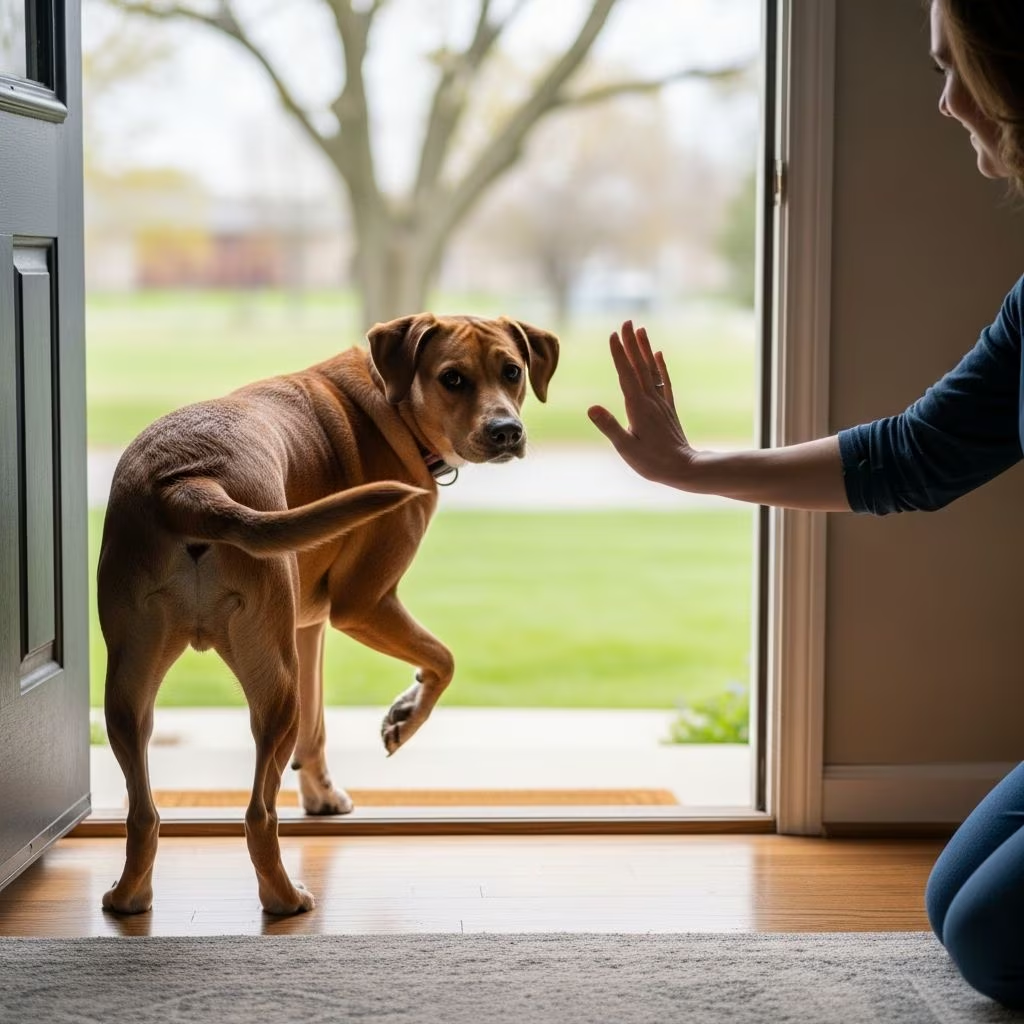
How to Stop Your Dog From Darting Out the Door
Door darting—when your dog bolts through an open door or gate without permission—is one of the most common behavioral challenges pet owners face. While this behavior might seem harmless or even amusing at first, it poses serious safety risks to your furry friend. A dog that escapes could get lost, injured, or worse. The good news is that door darting doesn’t indicate serious behavioral problems; it simply means your dog hasn’t been trained to show self-control around thresholds yet.
The primary reason dogs engage in door darting is lack of training. Dogs are naturally curious about any activity they detect in and around the home, so it’s perfectly normal that they want to venture outside to investigate. With patience, consistency, and positive reinforcement, you can teach your dog that they need permission before crossing through any doorway.
Understanding Why Dogs Dart Through Doors
Before addressing the solution, it’s important to understand the root causes of door darting behavior. The most obvious reason is that your dog simply hasn’t learned the rules about thresholds. However, several other factors may contribute to this behavior:
Natural Curiosity: Dogs are inherently driven to explore their environment. When they hear sounds, smell interesting odors, or sense movement outside, their instinct is to investigate. This curiosity is especially strong if they notice other animals, people, or exciting activities happening beyond the door.
Insufficient Exercise: A bored or under-stimulated dog is more likely to attempt escape. Dogs lacking adequate physical exercise and mental stimulation may view door dashing as a thrilling opportunity for adventure. When your dog doesn’t get enough physical activity through walks and playtime, or enough mental engagement through training and enrichment toys, they become restless and more prone to bolting.
Prey Drive: Some dogs have a particularly strong prey drive. A squirrel darting across the yard or a cat passing by can trigger an overwhelming urge to chase, overriding any training in the moment. Breeds with historically strong hunting instincts may be especially susceptible to this trigger.
Attention-Seeking Behavior: Dogs are social creatures who crave interaction with their humans. If a sedentary owner responds to door darting by chasing their dog, the dog may learn that bolting is an effective way to initiate play and get attention. From the dog’s perspective, this reinforces the behavior as a fun game.
Step-by-Step Training Guide to Stop Door Darting
Successfully training your dog not to dart through doors requires a structured, gradual approach. Break the training into manageable steps, working in short 10-minute sessions (or even shorter for puppies with limited attention spans). The key is to keep training fun and rewarding.
Step 1: Work on Basic Obedience Skills
Before tackling door darting specifically, your dog must master three fundamental commands: sit, stay, and recall (coming when called). These verbal cues form the foundation of door safety training.
Start by teaching or reinforcing the “sit” command in a calm environment away from doors. Ask your dog to sit, and immediately reward them with praise and their favorite treats when they comply. Practice this repeatedly until your dog responds reliably to the verbal cue alone. Once “sit” is solid, introduce “stay” by asking your dog to sit, then gradually increasing the duration they remain in position before receiving a reward. Finally, work on recall by calling your dog to you from short distances, rewarding them generously each time they respond.
These three commands are essential because they give your dog clear instructions about what you expect at thresholds, and they provide an alternative behavior to replace the unwanted bolting.
Step 2: Practice in a Safe Environment
Begin your door-specific training in a controlled setting where there are fewer distractions and escape risks. An interior doorway within your home is ideal. This allows your dog to learn the concept of waiting at thresholds without the added stress of outdoor stimuli.
Ask your dog to sit a few feet away from the closed door. Reward them for maintaining their position. Repeat this several times to help your dog understand that sitting near a door is the expected behavior.
Step 3: Gradually Introduce the Open Door
Once your dog is comfortable sitting near a closed door, begin opening it incrementally. Put your dog in a sit position, then crack the door open just slightly. If your dog maintains their sit, reward them immediately with treats and praise. If they break the sit and attempt to move toward the opening, calmly close the door and try again.
Continue gradually widening the door opening over multiple training sessions. Move at a pace your individual dog can handle. Some dogs progress quickly; others need more time to build confidence and impulse control. There’s no rush—patience ensures lasting results. Eventually, work toward opening the door fully while your dog remains in a reliable sit.
Step 4: Walk Through the Door With Your Dog
With your dog on a leash (keeping the loop end on your wrist as a safety measure), practice walking through the threshold together. Maintain your verbal cues (sit, stay) as you cross. Reward your dog generously when they hold their position or follow your lead without bolting.
If your dog attempts to break free, close the door and reset. For added security, you can use a drag leash: clip the leash to your dog’s collar but let it drag freely on the floor. If your dog tries to bolt, simply step on the leash to prevent them from getting far. This method provides control without requiring you to actively hold the leash.
Step 5: Use Your Recall Command
Once your dog can sit patiently with you on either side of a doorway, it’s time to practice recall through the threshold. Have your dog sit on one side of the door while you step through to the other side. Then call your dog to you using your recall command. When they come, reward them immediately with praise and—importantly—with a walk or other exciting activity they enjoy. This teaches your dog that responding to your call results in positive experiences.
The Positive Interrupter Game: Building Emergency Recall
Beyond door-specific training, teaching your dog a strong recall command is crucial for emergency situations. The positive interrupter game is a powerful tool that conditions your dog to respond to a specific cue (like clapping) with enthusiasm and focus on you.
How to Play the Game
Bring your dog indoors and gather an abundance of high-value treats—the kinds your dog absolutely loves. Clap your hands to get their attention, then immediately drop several treats on the ground. Let your dog eat all the treats. Repeat this sequence three to five times in succession.
After multiple repetitions, your dog should begin associating your clapping with a shower of treats. Take a two- to five-minute break to let your dog forget about the treats and return to a relaxed state. Then repeat the game.
Once your dog consistently responds to clapping in one room, move to a different location and repeat. Clap, wait for your dog to come to you, then praise enthusiastically and drop treats on the ground. Take another break, move to yet another room, and repeat. Play this game daily or every other day to build strong recognition of the cue.
The beauty of this game is that it creates a conditioned response so powerful that even a dog who has slipped out the door may stop and turn back when they hear the familiar clapping sound, knowing that responding brings rewards.
What to Do If Your Dog Escapes
Despite your best efforts, accidents happen. If your dog does manage to dart out the door, knowing how to respond increases the chances of a safe recovery:
Never Chase Your Dog. Chasing can frighten your dog or worse, turn the situation into a game of tag in your dog’s mind, making them less likely to return. Stay calm and avoid the temptation to run after them.
Use Treats to Entice Them Back. Call your dog’s name and show them their favorite treats. Use an upbeat, happy tone to make returning seem appealing. Move in the opposite direction of your dog to encourage them to follow you.
Use Toys or Sound. If treats aren’t working, try using a favorite squeaky toy or other familiar sound that captures your dog’s attention and draws them toward you.
Emergency Cue: Consider establishing an emergency cue—a special word or phrase your dog associates with something exciting, like “Want to go for a ride?” or “Want a treat?” Use this cue only in genuine escape situations. When your dog responds and returns to you, reward them immediately with high-value treats and never, under any circumstances, punish them. Punishment will only teach your dog that returning is unsafe and make future escapes more likely.
Physical Management and Safety Strategies
While training should be your primary focus, physical barriers provide important backup safety measures, especially in busy households where multiple people may open doors or during the learning process.
Baby Gates and Pet Gates
For standard-sized doors, baby gates or pet gates can effectively prevent your dog from bolting. Pet gates with built-in human walk-through doors are particularly useful, allowing household members to pass through while keeping your dog safely contained. These gates are easy to install and remove, making them perfect for renters or those who need flexibility.
Exercise Pens
For larger openings or multiple doors, extendable exercise pens create a buffer zone. You can place your dog inside the pen before opening an exterior door, or position pens on your front porch to create an emergency corral. While this doesn’t solve the underlying darting behavior, it prevents your dog from accessing the neighborhood if they do escape.
Addressing Underlying Causes
To truly eliminate door darting, you must address the underlying motivations driving the behavior. Proper exercise and mental stimulation are essential components of a comprehensive solution.
Physical Exercise
Most dogs need at least one to two walks daily, with duration and intensity depending on the dog’s age, breed, and health. Active breeds may require additional exercise through running, fetch, or dog sports. A physically tired dog is far less likely to have the energy or motivation to bolt through doors.
Mental Stimulation
Mental exercise is equally important as physical activity. Puzzle toys, training classes, scent work games, and interactive play stimulate your dog’s brain and build confidence. Dogs who receive adequate mental enrichment are less prone to seeking their own forms of entertainment, including escape attempts.
When to Seek Professional Help
If your dog’s door darting persists despite consistent training efforts, or if the behavior seems driven by fear or anxiety rather than simple curiosity, consider hiring a certified professional dog trainer or veterinary behaviorist. These experts can assess your specific situation, identify underlying issues, and develop a customized training plan.
Frequently Asked Questions
Q: How long does it take to stop a dog from door darting?
A: The timeline varies depending on your dog’s age, temperament, and prior training. Some dogs may show improvement within a few weeks of consistent training, while others may require several months. Consistency is more important than speed; regular practice yields better long-term results than sporadic training sessions.
Q: Can older dogs learn not to dart through doors?
A: Yes, absolutely. While younger dogs may learn slightly faster, dogs of any age can be trained with patience and positive reinforcement. The principle that old dogs can’t learn new tricks is a myth. Adult and senior dogs often respond well to training when it’s presented clearly and rewarded generously.
Q: Is door darting a sign of aggression or behavioral problems?
A: No. Door darting is not indicative of aggression or serious behavioral issues. It simply reflects a lack of training about acceptable threshold behavior. It’s one of the most common and treatable dog behavioral challenges.
Q: What should I do if my dog is fear-aggressive about doorways?
A: If your dog shows signs of fear, aggression, or extreme anxiety around doors—such as growling, lunging, or panic—consult with a veterinary behaviorist. These responses indicate underlying fear or anxiety that requires professional assessment and specialized behavior modification protocols.
Q: Are there supplements that can help with door darting?
A: While supplements with calming ingredients like chamomile or L-tryptophan may help a naturally anxious dog feel more relaxed, they are not a substitute for training. Supplements work best as a complementary tool alongside consistent training and adequate exercise. Discuss options with your veterinarian before introducing any supplements.
Key Takeaways
Door darting is a preventable behavior that responds well to systematic training and environmental management. Success requires teaching your dog basic obedience commands, gradually desensitizing them to open doors, and practicing recall through positive reinforcement. Additionally, ensuring your dog receives adequate physical exercise and mental stimulation reduces their motivation to seek escape. By combining training techniques with physical safety measures like gates and exercise pens, you can create a secure environment where your dog respects thresholds and responds reliably to your commands. With patience and consistency, you’ll transform your eager escape artist into a dog who waits politely for permission before crossing any doorway.
References
- How To Stop Your Dog From Darting Out the Door — Chewy Studios. 2024. https://www.chewy.com/education/dog/training-and-behavior/dog-darting
- How to Stop a Dog From Running Out the Door — Kinship. 2024. https://www.kinship.com/dog-behavior/door-darting
- Behavior Modification in Dogs — Merck Veterinary Manual. 2024. https://www.merckvetmanual.com/dog-owners/behavior-of-dogs/behavior-modification-in-dogs
- Put A Stop to Door-Darting Dogs — Whole Dog Journal. 2024. https://www.whole-dog-journal.com/behavior/put-a-stop-to-door-darting-dogs/
- How to Keep Your Dog from Door Darting — Operation Kindness. 2024. https://www.operationkindness.org/how-to-keep-your-dog-from-door-darting/
- How to Stop a Dog From Darting Out the Door When You Open It — American Kennel Club. 2024. https://www.akc.org/expert-advice/training/teaching-your-dog-not-to-door-dart/



