

Understanding Destructive Chewing in Dogs
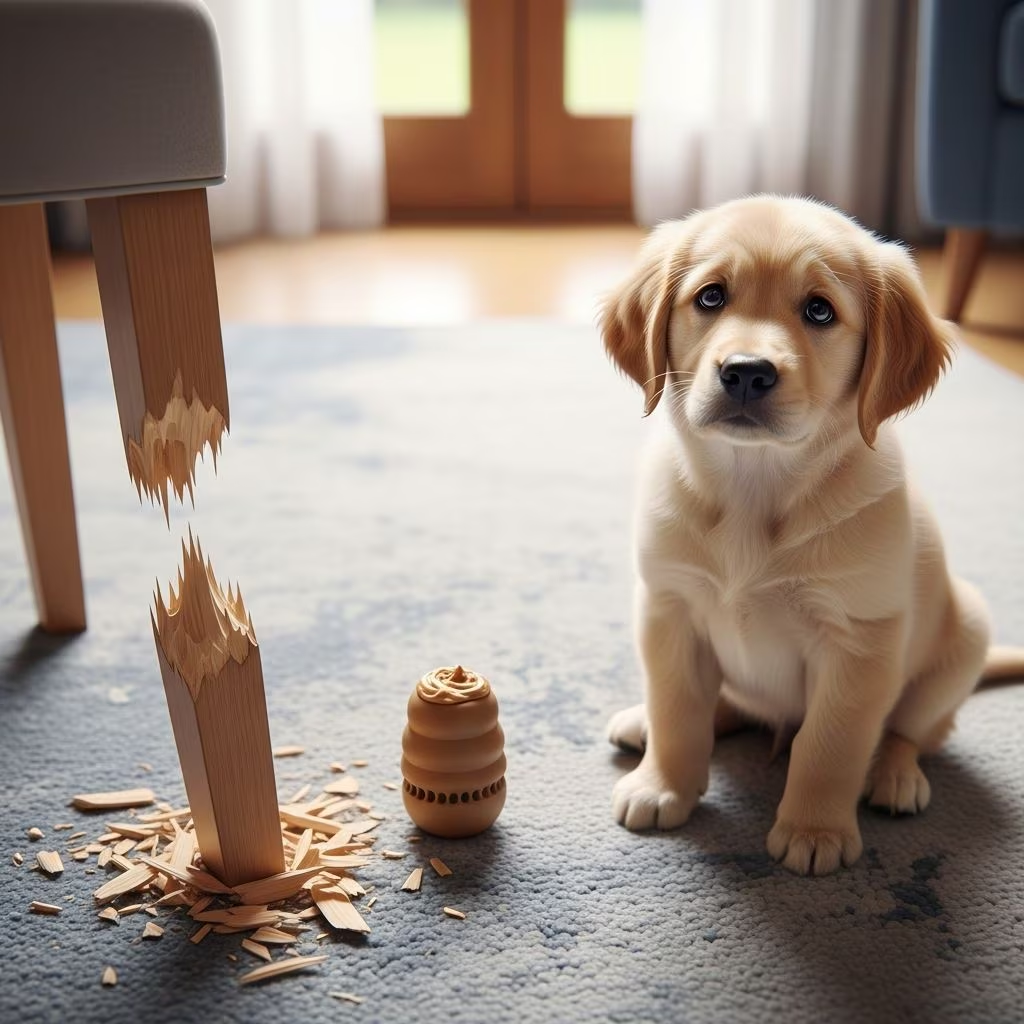
If you’ve ever come home to find your favorite pair of shoes reduced to shreds, furniture legs splintered, or walls damaged by your dog’s teeth, you’re not alone. Destructive chewing is one of the most common behavioral issues dog owners face, and it can be both frustrating and expensive. The key to solving this problem lies in understanding why your dog chews in the first place, then designing a solution that addresses the root cause.
Chewing is a completely natural canine behavior. Dogs chew for many reasons—to explore their environment, to relieve stress, to keep their teeth clean, to maintain strong jaws, and to alleviate boredom. For puppies, chewing serves an additional purpose: it helps relieve the discomfort of teething as their adult teeth come in. This intensified chewing phase typically ends by six months of age. However, if dogs aren’t given enough appropriate chewing outlets, they’ll happily find their own alternatives, such as your furniture, shoes, or other household items.
Why Dogs Engage in Destructive Chewing
Understanding the underlying causes of destructive chewing is essential before you can effectively address the behavior. Different causes require different solutions, so identifying what’s driving your dog’s chewing is the first step toward success.
Natural Chewing Instinct
Chewing is an inherent part of canine nature. Dogs use chewing to keep their jaws strong, maintain clean teeth, and explore their surroundings. When puppies are teething, their gums become sore and sensitive, and chewing provides relief. Without appropriate outlets for this instinct, your dog will seek out other objects to satisfy this need.
Boredom and Lack of Stimulation
Dogs that don’t receive sufficient mental and physical exercise often turn to destructive chewing as a way to entertain themselves. Boredom-related chewing is particularly common in high-energy breeds or dogs left alone for extended periods without enrichment activities.
Anxiety and Stress
Some dogs chew as a coping mechanism for anxiety or stress. Dogs suffering from separation anxiety, for example, may engage in destructive chewing when confined or left alone. Stress from environmental changes, loud noises, or other triggers can also prompt destructive chewing behavior.
Hunger
A dog on a calorie-restricted diet might chew and destroy objects in an attempt to find additional sources of nutrition. Dogs usually direct this kind of chewing toward objects related to food or that smell like food.
Health Conditions
In rare cases, destructive chewing may be tied to more serious medical conditions. Dental issues, oral masses, neurologic disease, stomach or intestinal problems, or diseases resulting in extreme hunger can all contribute to excessive chewing. If your dog’s chewing behavior seems excessive or has recently started, consult your veterinarian to rule out health-related causes.
Step 1: Dog-Proof Your Home
The first practical step to managing destructive chewing is to remove temptations from your dog’s environment. By making inappropriate items inaccessible, you prevent your dog from practicing the destructive behavior and reduce opportunities for reinforcement.
Essential Dog-Proofing Tips
Remove obvious temptations: Keep shoes, laundry, socks, underwear, and other off-limits items out of your dog’s reach. Store these items in closed closets, drawers, or hampers. Don’t leave dishes, food-scented items, or other attractive objects on the floor where your dog can access them.
Think like your dog: Get down on the ground and view your home from your dog’s perspective. Look for every possible target—loose papers, accessible trash cans, furniture edges, window blinds, and electrical cords. Once you identify these hazards, either remove them or make them inaccessible.
Use baby gates: Confine your dog to puppy-proofed areas where supervision is easier and temptations are minimal. This prevents unsupervised access to high-risk areas of your home.
Secure trash and garbage: Use trash cans with locking lids or store them in a closed cabinet. Some dogs love raiding garbage for discarded food items or sanitary products, which can pose serious health risks.
Protect your furniture: If your dog targets furniture legs or corners, consider using furniture protectors or covers until the behavior is under control.
Step 2: Provide Appropriate Chewing Outlets
Simply removing temptations isn’t enough—you must also give your dog appropriate alternatives to redirect their natural chewing instinct. The variety and quality of chew toys you provide directly influence your dog’s likelihood of choosing them over your belongings.
Types of Appropriate Chew Items
Rubber and treat-stuffable toys: Kong toys and similar rubber toys can be filled with treats, peanut butter, or wet food and frozen. These toys provide mental stimulation and extended entertainment, especially when rotated regularly.
Natural edible chews: Bully sticks, pig ears, rawhide bones, and pig skin rolls offer natural chewing satisfaction. However, supervise your dog when offering edible chews, as some dogs may bite off large chunks and choke. Only give your dog natural bones sold specifically for chewing—never give cooked bones like chicken wings or t-bones, as these can splinter and cause serious injury.
Puzzle toys: Toys that require problem-solving to access treats provide mental enrichment along with chewing satisfaction. Identify times when your dog is most likely to chew (such as when you leave for work) and provide a puzzle toy filled with something delicious, potentially including part of their daily food ration.
Variety is essential: Don’t rely on just one type of toy. Stock up on a range of options, including different sizes, textures, and difficulty levels. Dogs crave variety, and rotating toys keeps them interesting and engaging.
Important Safety Considerations
Chew toys should never be harder than your dog’s teeth, or they could cause chipping or fractures. Avoid giving your dog bones that can splinter or break off, as these present choking hazards and can cause gastrointestinal issues if swallowed. Never use household items such as old shoes, socks, or dish towels as chew toys—your dog won’t distinguish between your “good” shoes and the ones you’ve offered as toys, leading to continued confusion and inappropriate chewing.
Plush or stuffed toys aren’t appropriate for unsupervised chewing, as they can break open and cause choking hazards or ingestion of foreign materials. Reserve these toys for supervised play only.
Step 3: Exercise and Mental Stimulation
Dogs that receive adequate physical exercise and mental enrichment are far less likely to engage in destructive chewing. Exercise burns energy and promotes overall mental health, while mental stimulation satisfies your dog’s need for problem-solving and engagement.
Ensure your dog gets daily exercise appropriate for their age, breed, and fitness level. This might include walks, runs, fetch sessions, or playtime with other dogs. Mental stimulation can come from training sessions, puzzle games, scent work, or interactive play. A tired dog is a well-behaved dog, and this simple principle applies directly to reducing destructive chewing.
Step 4: Use Positive Redirection Techniques
When you catch your dog chewing on something inappropriate, redirection is more effective than punishment. Instead of chasing your dog or scolding them, redirect their attention to an appropriate chew toy.
The treat trade: If your dog grabs a forbidden object, run to your treat cabinet and drop a few treats on the ground in front of you. Your dog will drop the item to eat the treats, and you can then collect the item. This method teaches your dog that giving up inappropriate items results in positive rewards.
Bitter sprays: Bitter-tasting deterrents can reduce your dog’s desire to chew certain items. Spray the deterrent on all objects you don’t want your dog to chew, and reapply it daily for two to four weeks. Your dog will eventually associate the taste and odor with the object and become less likely to chew it. However, deterrents work best in combination with other management strategies—they’re not a standalone solution.
What NOT to Do
Understanding what doesn’t work is as important as knowing what does. Many common responses to destructive chewing can actually make the problem worse or harm your dog.
Punishment and Scolding
Never show your dog the damage they did and then scold, spank, or punish them after the fact. Dogs cannot connect your punishment with behavior they engaged in hours or even minutes ago. This delayed punishment teaches them nothing and can create fear and anxiety, potentially worsening the behavior. Punishment should only be used immediately when catching the dog in the act, and even then, it must be humane and appropriate.
Extreme Confinement
Don’t leave your dog in a crate for lengthy periods (more than six hours) to prevent chewing. Extended crating can cause physical and psychological distress. Additionally, don’t crate a dog showing signs of separation anxiety, as they may self-injure when confined. Crates should be used as a safe space for short-term confinement, not as a punishment or long-term management solution.
Unsafe Correction Methods
Never use duct tape to hold your dog’s mouth closed around a chewed object. This inhumane practice teaches your dog nothing and has resulted in dog deaths. Don’t tie a damaged object to your dog as punishment—this is equally ineffective and inhumane. Similarly, don’t muzzle your dog to prevent chewing, as this restricts their ability to drink water and explore their environment naturally.
Managing Specific Chewing Triggers
Some dogs develop specific chewing targets, each requiring particular management strategies.
Underwear and Laundry
Some puppies and juvenile dogs specifically target dirty underwear. This problem is easily resolved by always putting dirty laundry in a closed hamper rather than leaving it on the floor. Make dirty underwear completely inaccessible to your dog.
Furniture and Structural Elements
Dogs who target furniture legs or walls may be seeking attention or expressing frustration from lack of stimulation. Ensure your dog receives adequate exercise and mental enrichment. You can also apply bitter sprays to furniture and provide attractive alternatives nearby.
Frustration-Based Chewing
Dogs prevented from engaging in exciting activities sometimes direct biting, shaking, tearing, and chewing at nearby objects. For example, a dog who sees a squirrel or cat run by and wants to chase but is behind a fence might grab and chew at the gate. In these situations, increase exercise opportunities and provide mental stimulation to reduce overall frustration levels.
Troubleshooting Persistent Chewing
Most dogs show improvement as soon as you begin implementing management and training strategies. However, if your dog continues to chew inappropriate items, ask yourself these diagnostic questions:
- Is my house completely puppy-proofed? Have I removed all temptations?
- Have I given my dog a variety of appropriate chew toy options that are easily accessible?
- Am I leaving my dog unattended in areas where they have access to items they shouldn’t chew?
- Is my dog getting enough physical exercise and mental stimulation daily?
- Could a health condition be contributing to the behavior? Has my veterinarian ruled out dental issues, intestinal problems, or other medical causes?
- Could anxiety or stress be a factor? Does the chewing correlate with specific triggers like your departure or loud noises?
If you’ve addressed all these factors and the behavior persists, consult with a certified professional dog trainer or veterinary behaviorist for personalized guidance.
Frequently Asked Questions
Q: At what age do puppies stop their teething phase?
A: The intensified chewing phase caused by teething typically ends by six months of age as adult teeth fully emerge. However, adult dogs continue to chew throughout their lives for other reasons.
Q: Can I give my dog old shoes as chew toys?
A: No. Your dog won’t be able to distinguish between your “good” shoes and the old ones you’ve offered as toys. This creates confusion and actually encourages inappropriate chewing of all footwear.
Q: What should I do if my dog won’t stop chewing despite my efforts?
A: Ensure your home is completely puppy-proofed, provide appropriate chew toys, ensure adequate exercise, and rule out health issues with your veterinarian. If the behavior persists, consult a certified professional dog trainer or veterinary behaviorist.
Q: Are frozen chew toys safe for puppies?
A: Yes. Some recommend giving puppies frozen special dog toys or frozen wet washcloths to chew, which can help numb teething pain and provide comfort.
Q: Can chewing indicate a health problem?
A: In rare cases, yes. Excessive chewing can indicate dental issues, oral masses, neurologic disease, or gastrointestinal problems. Consult your veterinarian if destructive chewing seems excessive or new.
The Bottom Line
Destructive chewing doesn’t have to be a permanent part of dog ownership. By understanding why your dog chews, managing their environment effectively, providing appropriate alternatives, and ensuring adequate exercise and mental stimulation, you can successfully redirect this natural behavior. Remember that consistency is key—implement these strategies across all household members and maintain them until the behavior improves. With patience and the right approach, your dog can learn to channel their chewing instinct appropriately, protecting both your belongings and your sanity.
References
- Destructive Chewing — ASPCA. Accessed November 2025. https://www.aspca.org/pet-care/dog-care/common-dog-behavior-issues/destructive-chewing
- Destructive Dog Chewing: How To Stop It — Chewy Education. Accessed November 2025. https://www.chewy.com/education/dog/training-and-behavior/training-tips-how-to-stop-destructive-chewing-in-dogs
- Dogs and Destructive Chewing — VCA Animal Hospitals. Accessed November 2025. https://vcahospitals.com/know-your-pet/dogs-and-destructive-chewing



