

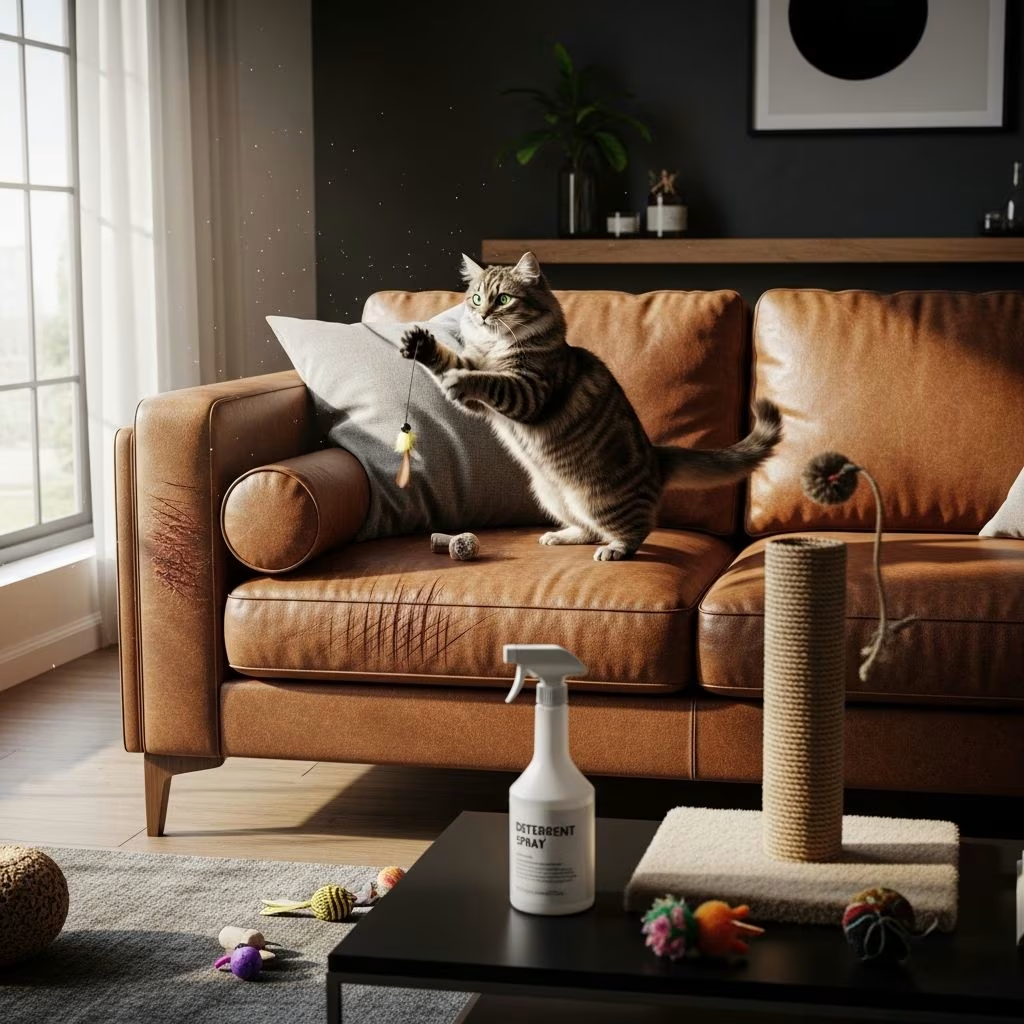
Leather furniture offers elegance and durability, but it becomes a prime target for cats due to its texture and appeal. Cats scratch instinctively to mark territory, sharpen claws, stretch muscles, and relieve stress. Understanding these behaviors is key to protecting your investment without punishing your pet. This guide covers why cats target leather, prevention strategies, training methods, and repair techniques, drawing from veterinary insights and proven owner experiences.
Why Do Cats Scratch Leather Furniture?
Cats scratch leather furniture for several instinctual reasons. Leather’s smooth yet resistant surface mimics natural materials like tree bark, providing satisfying resistance for claw sharpening. Scent glands in their paws deposit pheromones during scratching, marking territory effectively on absorbent leather. Additionally, it allows essential stretching of back and shoulder muscles, serving as exercise. Boredom or stress can amplify this behavior, turning your sofa into a scratching post.
- Territorial Marking: Paws release scents to claim space.
- Claw Maintenance: Shedding old nail sheaths keeps claws sharp.
- Physical Stretch: Extends muscles and promotes circulation.
- Stress Relief: Communicates emotions or signals unmet needs.
Recognizing these motivations helps shift focus to solutions that fulfill needs elsewhere, preventing damage while supporting feline well-being.
How Can You Stop Your Cat from Scratching Leather Furniture?
Stopping cat scratches requires redirection, deterrence, and habit-building. Combine multiple approaches for best results, as single methods may not suffice for all cats.
Provide Appealing Scratching Alternatives
Offer diverse scratching posts near leather furniture to redirect energy. Varieties in material—sisal rope, cardboard, carpet—cater to preferences. Tall posts allow full stretches, while horizontal scratchers suit some cats. Place them beside the sofa; if scratching occurs, gently guide your cat to the post. Sprinkle catnip to attract attention initially.
- Sisal posts for texture similar to leather resistance.
- Cardboard scratchers for easy claw shedding.
- Cat trees with multiple levels for exercise.
Owners report success with dedicated cat rooms featuring trees, reducing furniture interest significantly.
Use Deterrents on Leather Furniture
Deterrents make leather unappealing without harm. Double-sided tape creates a sticky sensation cats dislike, applied temporarily to high-risk areas. Citrus-based sprays repel via scent, safe for most leathers when tested first. Furniture guards like vinyl shields or Sofa Scratcher combine protection with scratching surfaces.
| Deterrent Type | Pros | Cons | Best For |
|---|---|---|---|
| Double-Sided Tape | Sticky feel deters instantly; inexpensive | May not suit all leathers; visible | Corners, arms |
| Citrus Sprays | Scent-based; easy spray | Needs reapplication; scent fades | Full surfaces |
| Vinyl Guards (e.g., Clawguard) | Durable; transparent | Installation pins; debris attracts | High-traffic areas |
| Sofa Scratcher | Redirects to built-in post; stable | Visible; needs replacement | Sofa bases |
Test products on inconspicuous spots to avoid leather damage. Sticky Paws tape excels in gentleness per expert tests.
Trim Your Cat’s Claws Regularly
Weekly claw trims blunt sharp edges, minimizing damage even if scratching persists. Use pet clippers during sleep or play for stress-free sessions. Habituate kittens early by gently handling paws. This doesn’t eliminate scratching but prevents deep gouges, buying time for training.
Pro tip: Pair with conditioner rubs post-scratch to erase light marks immediately.
Use Positive Reinforcement Training
Reward desired behavior to reshape habits. Praise or treat when using posts; ignore or redirect furniture scratches calmly. Verbal cues like “no” followed by post guidance work, avoiding yells that stress cats. Consistency across household members is crucial.
- Praise + treat for post use.
- Gentle redirection from furniture.
- Daily play to reduce boredom-driven scratches.
Trainable cats respond well, forming understandings within weeks when paired with alternatives.
Increase Playtime and Enrichment
Bored cats scratch more; combat with interactive sessions using toys, lasers, or puzzle feeders. Aim for 15-30 minutes twice daily to tire them, curbing mischief. Vertical spaces like shelves fulfill climbing instincts, complementing scratchers.
Try Pheromone Products
Feliway sprays mimic calming facial pheromones, reducing stress-induced scratching. Apply to furniture or diffusers nearby for ongoing effects. Effective for multi-cat homes or anxious pets.
Cover Furniture Temporarily
Slipcovers or throws protect while breaking habits. Remove gradually as behavior improves. Heavy throws hide leather appeal effectively.
How to Train Cats Not to Scratch Furniture
Training builds long-term habits through consistency. Start with observation: note triggers like mornings or evenings. Interrupt unwanted scratches with firm “no,” then redirect to post with play. Reward heavily. Track progress weekly; most see improvement in 2-4 weeks. Patience prevents regression from punishment.
Step-by-Step Training Plan
- Introduce multiple scratchers near furniture.
- Observe and interrupt scratches immediately.
- Redirect to scratcher with gentle guidance.
- Reward profusely for correct use.
- Gradually move scratchers away as habit forms.
- Maintain trims and play routines.
Combine with deterrents for faster results. Veterinary behaviorists emphasize redirection over aversion.
Can You Repair Cat Scratches on Leather Furniture?
Yes, most scratches repair easily, from minor buffs to tear kits. Act quickly for best blending. Distinguish superficial (nail polish-like) from deep gashes.
Repair Steps for Cat Scratches
- Clean: Wipe with gentle leather cleaner and microfiber cloth.
- Minor Scratches: Buff vigorously; apply conditioner to swell leather.
- Deep Scratches: Fill with tinted repair kits; sub-patch large tears.
- Recolor: Match dye for uniformity.
- Protect: Condition entire piece; add protector spray.
Regular conditioning prevents cracking, aiding resilience. Fresh scratches respond best to oil rubs.
Frequently Asked Questions (FAQs)
Why is my cat suddenly scratching leather furniture?
Sudden changes often stem from stress, boredom, new pets, or overgrown claws. Assess environment and provide enrichment.
Will declawing stop scratching?
No—declawing is inhumane, causing pain and behavior issues. Focus on humane alternatives.
How long until training works?
Typically 2-6 weeks with consistency; varies by cat age and temperament.
Are scratch deterrents safe for leather?
Most are, but test first. Avoid harsh chemicals on aniline leathers.
What if multiple cats scratch?
Provide ample posts per cat; use pheromones for harmony.
References
- Why Cat Scratch Leather Furniture And How To Stop It — Happy and Polly. 2023. https://happyandpolly.com/blogs/cat/why-cat-scratch-leather-furniture-and-how-to-stop-it
- How to Stop Cats from Scratching Furniture — A House We Built. 2023. https://www.ahousewebuilt.com/how-to-stop-cats-from-scratching-leather-couches/
- The Best Products to Stop Cats From Scratching the Furniture in 2026 — Business Insider. 2026-01-01. https://www.businessinsider.com/guides/pets/how-to-stop-cat-from-scratching-couch
- Cats with Claws and Leather Furniture — The Cat Site Forums. 2005. https://thecatsite.com/threads/cats-with-claws-and-leather-furniture.74003/



