

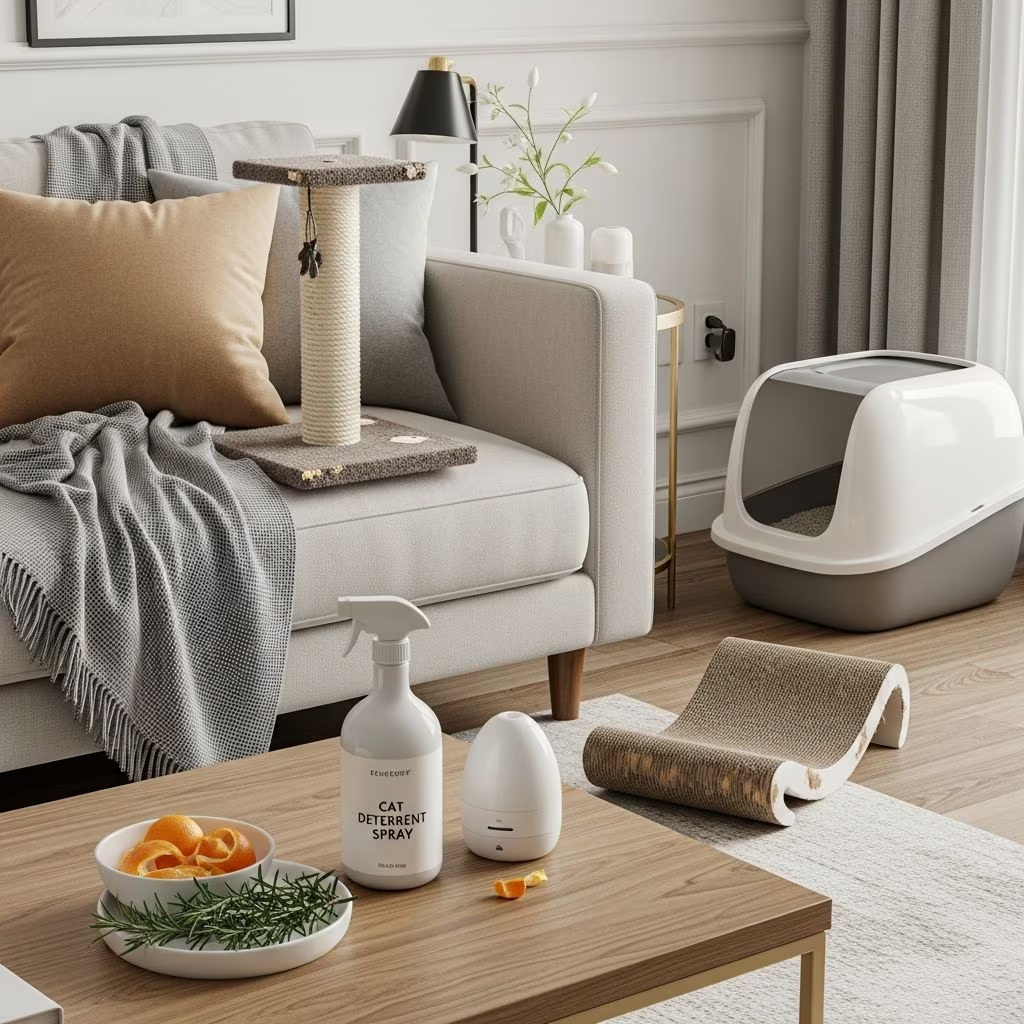
Cat urine on your favorite sofa or chair can be frustrating and damaging. Understanding the causes—ranging from medical issues to litter box aversion or stress—allows you to implement targeted fixes. This guide covers thorough cleaning, optimizing litter setups, veterinary advice, and behavioral strategies to reclaim your furniture.
Why Is My Cat Peeing on the Furniture?
Cats pee outside the litter box for medical, environmental, or behavioral reasons. Medical problems like urinary tract infections (UTIs), bladder stones, diabetes, or kidney disease often cause frequent, urgent urination on soft surfaces like furniture, which absorb urine comfortably. Behavioral issues include litter box dislike, stress from changes, or territorial marking (spraying), where cats back up to vertical surfaces with tails quivered, releasing small urine amounts.
Distinguish spraying (vertical, small amounts) from inappropriate urination (squatting on horizontal surfaces like sofas). Multi-cat households may involve bullying, where one cat guards boxes. Stressors like new pets, moves, or redecorating erase scent marks, prompting marking. Always rule out health issues first, as untreated conditions worsen behavior.
Rule Out Medical Problems First
Consult a veterinarian immediately if your cat pees outside the box suddenly, strains, urinates small amounts often, cries while urinating, licks genitals excessively, or shows blood in urine. These signal UTIs, crystals, or stones painful for cats. Senior cats risk arthritis making box access hard or hyperthyroidism increasing urination.
Vets perform urinalysis, bloodwork, or imaging. Treat infections with antibiotics; manage diabetes or kidney disease long-term. Post-treatment, monitor for recurrence. If medical causes are absent, proceed to behavioral fixes.
Clean the Area Thoroughly
Residual odors attract repeat offenses. Use enzymatic cleaners breaking down urine proteins enzymatically, unlike regular cleaners masking smells. For fresh spots, blot excess with paper towels. Avoid ammonia or bleach, mimicking urine scents.
- Fabrics (bedding, upholstery): Blot, apply enzymatic cleaner like Nature’s Miracle, let sit, blot again, air dry.
- Hard surfaces: Wipe with pet-safe enzymatic solution.
- Carpets/mattresses: Saturate with enzymatic cleaner, cover with plastic wrap for penetration, dry fully.
Detect spots with blacklight (urine glows yellow). For persistent odors, repeat cleaning. Place dry cat food on spots post-cleaning—cats avoid soiling eating areas. Surgical spirit spray then rinse works on fabrics (test first).
Optimize Litter Box Setup
Provide Enough Litter Boxes
Rule: one box per cat plus one extra. Multiple boxes reduce competition and offer choices. Place in quiet, accessible spots away from noisy appliances. If a cat favors a spot, temporarily place a box there, gradually relocate.
Choose the Right Litter Box
Open, large boxes with low sides suit most cats—easy entry, no confinement feel. Avoid covered boxes trapping odors or feeling trap-like. Seniors need low-entry designs. Ensure boxes aren’t tipped or blocked.
Select Appropriate Litter
Cats prefer unscented, clumping clay with activated charcoal (e.g., Fresh Step Unscented). Avoid scented or sudden changes—sensitive noses reject overpowering smells. Transition gradually, keeping old litter box available.
Clean Regularly
Scoop daily; full dump/wash weekly with mild soap, no strong disinfectants (phenols toxic). Cats shun dirty boxes. Self-cleaning options help busy owners.
Ideal Locations
Quiet, low-traffic areas, not near food or loud machines. Multiple floors for large homes.
Reduce Stress and Anxiety
Stress triggers marking. Use synthetic pheromones like Feliway diffusers mimicking facial scents. Rub cloth on cat’s cheeks (glands there), dab on furniture daily.
- Enrich environment: scratching posts, toys, perches, vertical space.
- Consistent routine minimizes change stress.
- Multi-cat homes: extra resources prevent bullying.
For outdoor stressors, block cat flaps or use microchip-activated ones. Place treats on problem spots—cats avoid eliminating near food.
Address Multi-Cat Household Issues
Increase boxes/resources. Watch for bullying—separate feeding, play. Spay/neuter reduces spraying.
Deterrents and Furniture Protection
While fixing root causes, use waterproof covers, double-sided tape, or aluminum foil on furniture (cats dislike textures). Avoid punishment—increases anxiety.
Professional Help
If unresolved, consult veterinary behaviorists. Track incidents (when, where, posture) for diagnosis.
Prevention Tips
- Annual vet checkups catch issues early.
- Maintain 1+1 litter boxes.
- Daily scooping, weekly deep cleans.
- Stress monitoring, pheromone use.
- Spay/neuter before 5 months.
Frequently Asked Questions (FAQs)
Why does my cat pee on the bed but use the litter box for poop?
Beds are soft, absorbent, mimicking litter. Often UTI or stress; vet check essential.
How do I know if it’s spraying or peeing?
Spraying: upright tail, quivering, vertical surface, small amount. Peeing: squatting, horizontal, full bladder.
Will my cat outgrow peeing on furniture?
Unlikely without intervention. Address causes promptly.
Is cat pee on furniture permanent damage?
Enzymes prevent, but repeated soaking degrades fabric. Act fast.
Can diet cause litter box avoidance?
Yes, urinary diets help some; vet-recommended.
Summary Table: Common Causes and Fixes
| Cause | Symptoms | Solution |
|---|---|---|
| Medical | Frequent small voids, straining | Vet visit, meds |
| Litter Aversion | Avoids box consistently | More/clean boxes, right litter |
| Stress/Marking | Spraying posture, changes | Pheromones, enrich environment |
| Inadequate Setup | Uses specific spots | Relocate boxes, increase number |
References
- Top 10 Ways to Stop Your Cat from Peeing Outside the Litter Box — PetMD. 2023-05-15. https://www.petmd.com/cat/general-health/top-10-ways-stop-your-cat-peeing-outside-litter-box
- Stop your Cat Spraying or Soiling in the House — Blue Cross. 2024-02-10. https://www.bluecross.org.uk/advice/cat/behaviour-and-training/stop-your-cat-spraying-and-soiling-in-the-house
- 8 Tips to Stop Your Cat From Peeing — WebMD. 2023-11-20. https://www.webmd.com/pets/cats/how-to-stop-a-cat-from-peeing



