

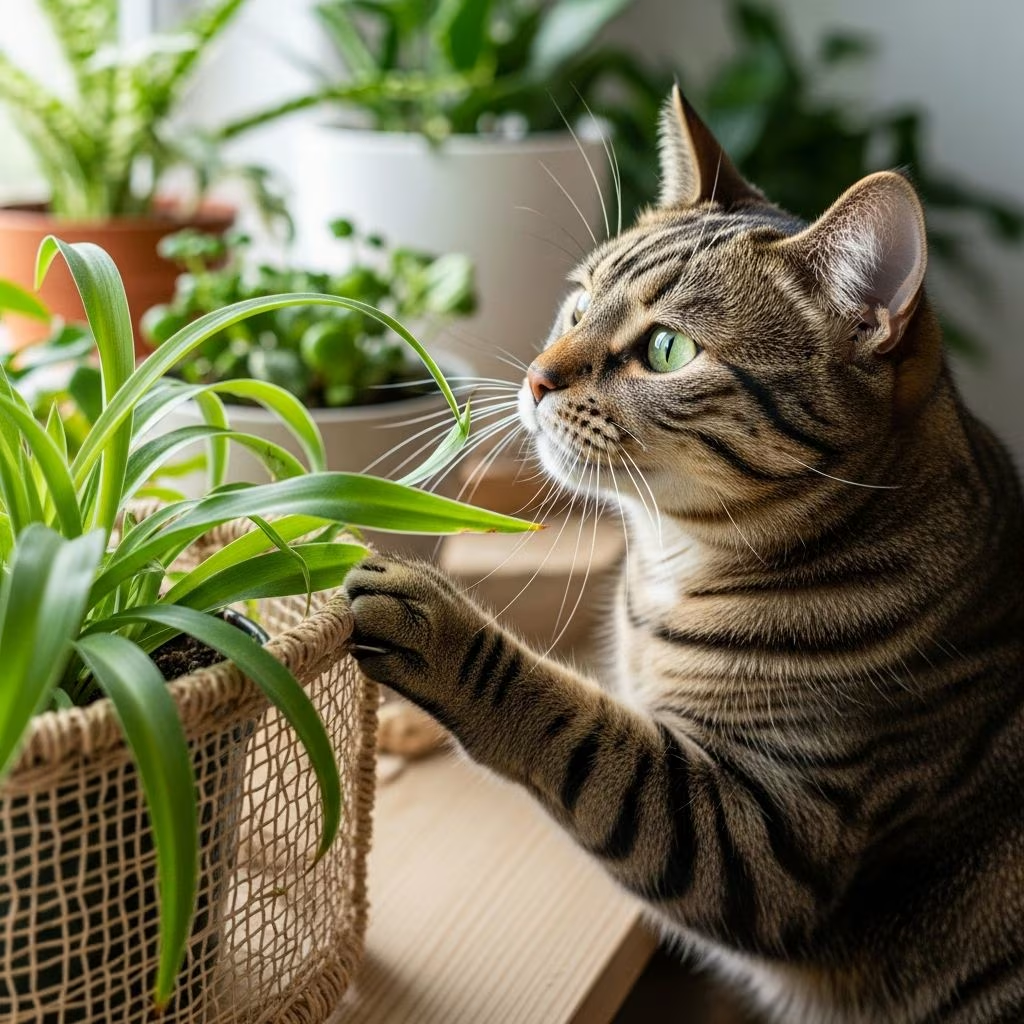
How to Stop Cats from Eating Plants: Safe Solutions for Your Home
Cat owners often face the challenge of keeping both their feline companions and houseplants safe under the same roof. If you’ve noticed your cat nibbling on your favorite philodendron or chewing the leaves of your pothos plant, you’re not alone. Many cats are attracted to plants for various reasons, and while some plant consumption might be harmless, others can pose serious health risks. Understanding why cats eat plants and learning effective prevention strategies will help you create a harmonious environment where both your cat and your botanical collection can thrive.
Why Do Cats Eat and Chew on Plants?
Before implementing solutions, it’s helpful to understand the motivation behind your cat’s plant-eating behavior. Cats are naturally curious creatures, and their interest in plants stems from several factors.
- Nutritional needs: Cats may consume plants to obtain additional fiber or other nutrients missing from their regular diet.
- Taste preference: Some plants, particularly catnip, have flavors that cats find irresistible and enjoyable.
- Boredom: Cats lacking sufficient mental and physical stimulation may turn to plant chewing as a form of entertainment.
- Visual attraction: The fluttering movement of leaves and stems can trigger a cat’s hunting instincts, making plants an engaging plaything.
- Texture exploration: Cats may simply enjoy the texture and feel of plant materials in their mouths.
Recognizing these motivations allows you to address the root cause of the behavior rather than simply treating the symptom.
Identifying Toxic Plants Your Cat Should Avoid
Not all plants pose equal danger to cats. Some houseplants are completely safe for your feline friend, while others contain toxins that can cause serious health complications. It’s crucial to know which plants in your home could harm your cat, as every part of a toxic plant94leaves, flowers, stems, and roots94can be dangerous.
According to veterinary resources, the following plants are toxic to cats and should be kept completely out of reach or removed from your home entirely:
- Amaryllis
- Autumn Crocus
- Azaleas and Rhododendrons
- Castor Bean
- Chrysanthemum, Daisy, and Mum varieties
- Cyclamen
- Daffodils and Narcissus
- Dieffenbachia
- English Ivy
- Hyacinth
- Kalanchoe
- Lilies (all varieties)
- Lily of the Valley
- Marijuana
- Oleander
- Peace Lily
- Pothos (Devil’s Ivy)
- Sago Palm
- Spanish Thyme
- Tulips
- Yew
If you suspect your cat has ingested any of these plants, contact your veterinarian immediately. When in doubt, always consult with your veterinary office, as they maintain current listings of plants that are dangerous for cats.
Recognizing Signs of Plant Toxicity in Cats
Understanding the symptoms of plant poisoning can help you respond quickly if your cat has consumed a toxic plant. The severity of symptoms depends on the type of plant ingested and the amount consumed.
Mild to moderate symptoms include:
- Inflammation and swelling around the face and mouth
- Itchiness in the oral region
- Vomiting
- Diarrhea
Serious symptoms requiring immediate veterinary attention:
- Labored or difficulty breathing
- Difficulty swallowing
- Excessive drooling
- Excessive urination
- Irregular heartbeat
- Signs of organ failure affecting the lungs, kidneys, or heart
If you observe any of these serious symptoms, seek emergency veterinary care immediately, as some plant toxins can be fatal without prompt treatment.
Effective Strategies to Prevent Plant Eating
There are several proven methods to keep your cat from eating your houseplants. The best approach often involves combining multiple strategies tailored to your home and your cat’s personality.
Remove or Relocate Toxic Plants
The most straightforward solution is to eliminate toxic plants from your home entirely. If you’re unwilling to part with certain plants, place them in locations completely inaccessible to your cat. High shelves, locked cabinets, or hanging planters can work well, though you should remember that cats are agile climbers and jumpers capable of reaching surprising heights.
Use Taste Deterrents
Bitter apple spray and similar taste deterrents are effective tools for discouraging plant consumption. These sprays create an unpleasant taste that cats dislike without harming them. Simply spray the deterrent on the plant leaves and stems according to product instructions. Cats quickly learn to avoid the treated plants. Citrus-based sprays can also be effective, as most cats find the smell and taste of citrus unappetizing.
Install Motion-Activated Deterrents
Motion-activated sprays like PetSafe provide a harmless but startling deterrent. When your cat approaches the plant, the device emits a burst of air or spray, interrupting the behavior without causing harm. Over time, cats associate the plant area with this unpleasant sensation and learn to stay away.
Switch to Artificial Plants
If maintaining real plants feels too challenging, consider switching to high-quality silk or artificial plants. Modern artificial plants look remarkably realistic and won’t harm your cat if nibbled. However, some cats still enjoy shredding fake plants, so this isn’t a foolproof solution for all cats.
Provide Safe Plant Alternatives
Rather than simply preventing your cat from eating plants, offer appealing alternatives that are completely safe. Cat grass (wheatgrass) and catnip provide similar sensory experiences without any toxicity risk. Plant these in easily accessible locations where your cat will discover and enjoy them. Many cats find these alternatives more interesting than your houseplants.
Increase Environmental Enrichment
Boredom is a significant motivator for plant chewing. Combat this by providing abundant toys, scratching posts, climbing structures, and interactive play sessions. Rotate toys regularly to maintain novelty and interest. Puzzle feeders, laser pointers, feather wands, and automated toys can all help keep your cat mentally and physically stimulated, reducing the appeal of your plants.
Comparing Prevention Methods
| Method | Effectiveness | Cost | Ease of Implementation |
|---|---|---|---|
| Removing toxic plants | Very High | Variable | Easy |
| Taste deterrent sprays | High | Low | Easy |
| Motion-activated sprays | High | Moderate | Moderate |
| Artificial plants | Moderate to High | Moderate | Easy |
| Safe plant alternatives | High | Low | Easy |
| Environmental enrichment | High | Moderate | Moderate to High |
Creating a Cat-Friendly Plant Environment
A truly cat-safe home involves thoughtful planning. Before bringing any plant into your home, research its safety profile. If you love gardening and plants, consider species that are non-toxic to cats. Spider plants, Boston ferns, African violets, and cat grass are excellent alternatives that won’t harm your feline companion if nibbled.
When placing plants, think strategically about accessibility. Group plants together in a designated area that you can monitor and protect more easily. Use hanging planters suspended from ceilings or wall-mounted shelves that are genuinely out of reach. Remember that determined cats can knock over even seemingly secure planters, so stability is important.
When Plants and Cats Simply Don’t Mix
Despite your best efforts, some cat and plant combinations simply don’t work. If your cat is particularly persistent and determined to eat plants, or if you have a collection of plants that are difficult to protect, you may need to make a difficult choice. It’s better to enjoy either plants or your full collection of houseplants than to live with constant stress about your cat’s safety. Many cat owners find that their feline companions are simply more important than botanical collections, and they happily trade plants for pet peace of mind.
Frequently Asked Questions
Q: Is it normal for cats to eat plants?
A: Yes, it’s quite common for cats to nibble on plants. While cats are obligate carnivores, they sometimes consume plant material for fiber, nutrients, or simply out of curiosity. The behavior itself is normal; your concern should focus on ensuring the plants they have access to are non-toxic.
Q: What should I do if my cat eats a toxic plant?
A: Contact your veterinarian or an animal poison control center immediately. Provide information about which plant your cat consumed and when. Don’t wait for symptoms to appear before seeking help, as early intervention can be crucial for some plant toxins. Your vet can provide specific guidance and treatment if necessary.
Q: Are all lilies toxic to cats?
A: Yes, all varieties of lilies are toxic to cats, including Asiatic lilies, Oriental lilies, and stargazer lilies. Even small amounts of lily material or pollen can cause severe kidney damage in cats. If you have lilies, keep them completely away from your cat.
Q: How long do taste deterrents remain effective?
A: Most taste deterrent sprays remain effective for several days to a week, depending on the product and how often you water your plants. You may need to reapply regularly, especially after watering. Check product instructions for specific reapplication recommendations.
Q: Can I use hot pepper spray as a cat deterrent?
A: While hot pepper spray can deter cats, it may be irritating to both the cat and your household. The strong smell can be unpleasant for family members and may cause respiratory irritation. Bitter apple sprays or citrus-based products are generally more pleasant alternatives.
Q: What are the best safe plants for cat owners?
A: Cat-safe plants include spider plants, Boston ferns, African violets, orchids, cat grass, wheatgrass, and some varieties of palms. Always verify the safety of any plant before bringing it home, and consult with your veterinarian if you’re uncertain.
References
- Why Do Cats Eat & Chew on Plants? Vet-Verified Facts & Plant Guide 94 Catster. 2025. https://www.catster.com/cat-behavior/why-do-cats-eat-chew-on-plants/
- Cat Health: How To Keep a Cat From Eating House Plants 94 eHow/Expert Carrie Burhenn, DVM. 2009. https://www.youtube.com/watch?v=wYk5MvbR2yE
- Cats And Houseplants 94 GardenSmart. https://www.gardensmart.tv/?p=articles&title=Cats_And_Houseplants



