

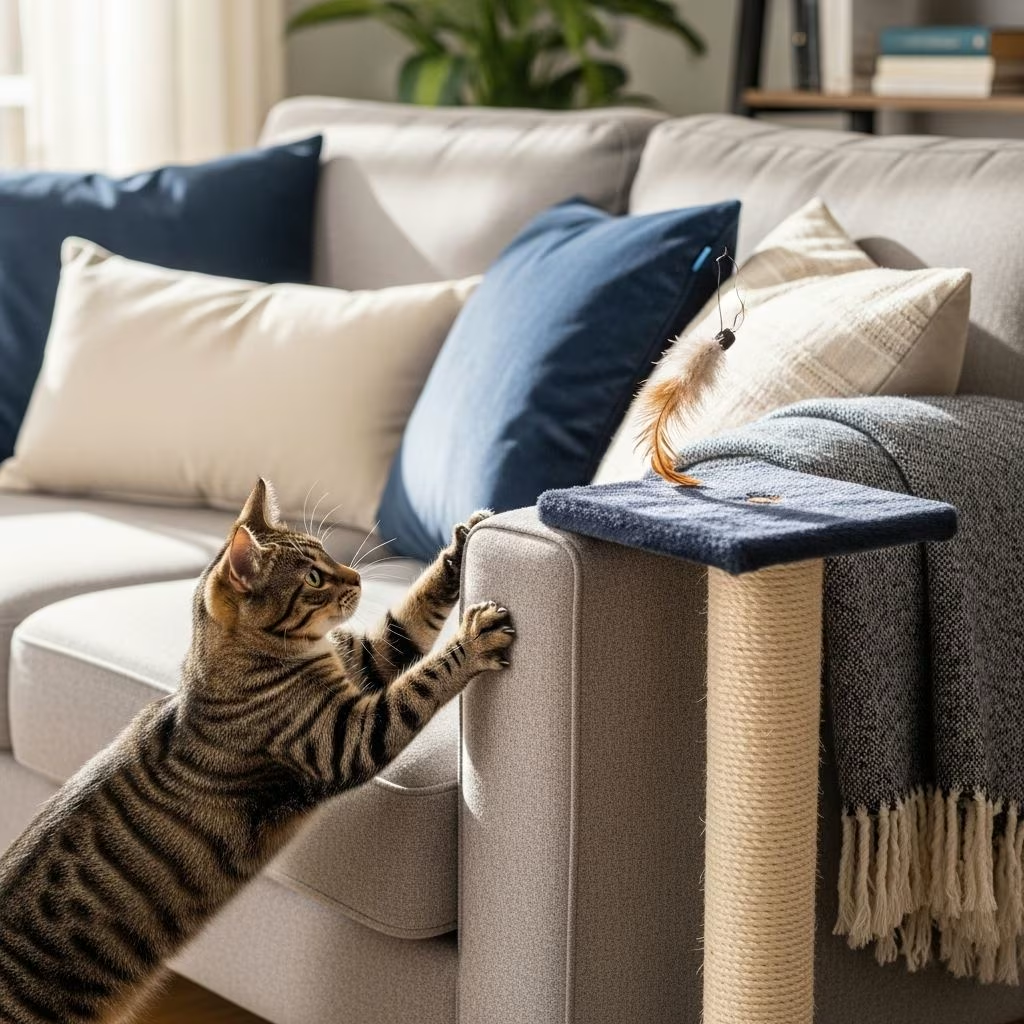
Cat scratching is a natural behavior essential for maintaining claw health, marking territory, stretching muscles, and communicating with other cats. However, when directed at your couch, it can cause significant damage to upholstery and fabric. Understanding the reasons behind this instinct—such as shedding old nail sheaths, exercising, or stress relief—helps in addressing it effectively without punishing your cat, which could lead to anxiety or litter box issues.
This guide provides comprehensive, vet-verified strategies to redirect scratching, protect your furniture, and ensure your cat remains happy and healthy. From providing alternatives to using safe deterrents, these methods balance your cat’s needs with household preservation.
Why Do Cats Scratch Couches?
Cats scratch couches for several instinctual reasons rooted in their wild ancestry. Primarily, scratching removes the outer layer of their claws, keeping them sharp and healthy—a process they can’t achieve by declawing, which is inhumane and illegal in many places. It also allows them to stretch their muscles, particularly along the back and shoulders, promoting physical fitness.
- Territory marking: Cats have scent glands in their paws; scratching deposits pheromones to claim space and communicate with other cats.
- Stress relief: Scratching serves as a tension reliever, similar to kneading, especially in multi-cat homes or during environmental changes.
- Boredom or habit: Without suitable alternatives, cats default to convenient surfaces like couches near sleeping or high-traffic areas.
Not all cats scratch furniture equally; preferences vary by texture, with some favoring sisal, cardboard, or carpet-like surfaces that mimic natural bark or prey. Recognizing these triggers is the first step to prevention.
1. Trim Your Cat’s Claws Regularly
Regular claw trimming blunts the tips, minimizing damage even if scratching occurs. Aim for every 10-14 days using cat-specific clippers; avoid the quick (pink part with blood vessels) to prevent pain and bleeding.
How to trim safely:
- Acclimate your cat by touching paws daily and rewarding with treats.
- Clip only the translucent tip; use styptic powder if you nick the quick.
- For resistant cats, wrap in a towel or seek vet assistance initially.
Trained cats often tolerate trims calmly. This method reduces couch damage by 50-70% without altering natural behavior. Combine with other strategies for best results.
2. Provide Appealing Scratching Posts and Alternatives
The cornerstone of prevention is offering superior scratching options. Cats need posts matching their preferences: vertical for furniture scratchers, horizontal for carpet lovers.
Place multiple scratchers—one per cat plus one extra—in key locations like near the couch, sleeping spots, and high-traffic areas. Experiment with materials:
| Scratcher Type | Best For | Examples |
|---|---|---|
| Sisal rope post | Vertical scratching (couches/curtains) | Tall, sturdy posts 3+ feet high |
| Cardboard scratcher | Horizontal (carpet/floors) | Hepper Hi-Lo Modern Scratcher (adjustable heights) |
| Wall-mounted | Space-saving, intense scratching | Sisal panels |
Attract use by sprinkling catnip, placing near favored spots, or rubbing with worn cat bedding for familiar scent. Reward scratching with praise or treats to reinforce. Products like the Hepper Hi-Lo offer versatility—high for stretching, low for lounging—encouraging prolonged engagement.
3. Strategic Placement of Scratchers
Placement is crucial; cats ignore distant posts. Position scratchers directly on or beside the couch initially, then gradually move as habits form. High-traffic family areas work best, associating scratching with positive social spaces.
For multi-cat homes, ensure one per cat to prevent competition. Vertical posts should match your cat’s height for full-body stretches.
4. Use Deterrents on the Couch
Make the couch unappealing while redirecting to alternatives. Safe, non-punitive deterrents include:
- Double-sided sticky tape: Cats dislike sticky textures; apply to targeted areas. Remove once habits change, though it’s visible and adhesive for humans too.
- Covers or throws: Drape furniture with plastic or aluminum foil; crinkly sounds deter without harm.
- Water spray: Gentle spritz from a bottle when caught in act. Avoid over-reliance to prevent associating negativity with you.
These create mild discomfort, prompting cats to choose scratchers instead.
5. DIY and Natural Repellent Sprays
Homemade sprays leverage cats’ aversions to certain scents. Test on inconspicuous spots to protect fabrics.
- Apple cider vinegar mix: Equal parts vinegar and water; spray lightly. Deters due to sour smell.
- Citrus or lavender: Essential oils diluted in water; cats avoid these strongly. Soak cotton balls for targeted areas.
- Commercial pet-safe sprays: Natural formulas with herbal repellents; odorless to humans.
Reapply after cleaning. Combine with positive reinforcement for fastest results.
6. Soft Paws or Nail Caps
For temporary protection, Soft Paws are vinyl caps glued over claws, lasting 3-4 weeks as they shed naturally. Non-toxic and painless, they blunt scratches effectively.
Application tips: Use minimal glue, distract with treats. Ideal for apartments or while training long-term habits. Not a permanent fix, as cats still need scratching outlets.
7. Training and Positive Reinforcement
Redirect immediately: Clap hands or use a hiss sound when scratching couch, then guide to scratcher with treats/praise. Consistency trains within weeks.
Address underlying issues like boredom (add toys/enrichment) or stress (pheromone diffusers). Multi-cat introductions require gradual exposure and safe spaces.
Additional Tips for Long-Term Success
- Multiple options prevent overuse of one post.
- Rotate scratchers to maintain novelty.
- Monitor health: Excessive scratching may signal allergies or parasites[10].
- Avoid punishment; it erodes trust.
For velvet or leather couches, low-resistance fabrics naturally deter, but combine with posts.
Frequently Asked Questions (FAQs)
What if my cat ignores the scratching post?
Enhance appeal with catnip, proper placement near couch, and rewards. Try varied textures until one clicks.
Is declawing an option?
No—it’s painful, risky, and banned in many areas. It removes natural behaviors, leading to behavioral issues.
How many scratching posts do I need?
One per cat plus one, in preferred locations.
Will deterrents harm my cat?
Vet-approved ones like tape or sprays are safe if pet-safe; avoid toxic substances.
Why does my new cat scratch more?
Stress from change; provide safe spaces and gradual introductions.
References
- 10 Natural Home Remedies to Stop a Cat from Scratching & Clawing — Catster. 2023-05-15. https://www.catster.com/lifestyle/natural-remedies-to-stop-cat-scratching-clawing/
- How to Stop Cats From Scratching & Clawing Leather Furniture — Catster. 2023-08-22. https://www.catster.com/cat-behavior/how-to-stop-cats-from-scratching-leather-furniture/
- Do All Cats Scratch Furniture? Reasons & Prevention Tips — Catster. 2024-01-10. https://www.catster.com/cat-behavior/do-all-cats-scratch-furniture/
- How to Stop Your Cat Scratching the Sofa: 7 Vet-Approved Ways — Catster. 2023-11-05. https://www.catster.com/lifestyle/how-to-stop-cat-from-scratching-sofa/
- How to Stop a Cat from Scratching Furniture: 4 Vet Approved Methods — Catster. 2024-02-18. https://www.catster.com/lifestyle/how-to-stop-cat-from-scratching-furniture/
- How to Stop a Cat From Scratching Carpet: 6 Vet-Verified Tips — Catster. 2023-09-30. https://www.catster.com/lifestyle/how-to-stop-cat-scratching-carpet/
- Do Cats Scratch Velvet? Vet-Verified Facts & Scratching Advice — Catster. 2024-03-12. https://www.catster.com/cat-behavior/do-cats-scratch-velvet/



