

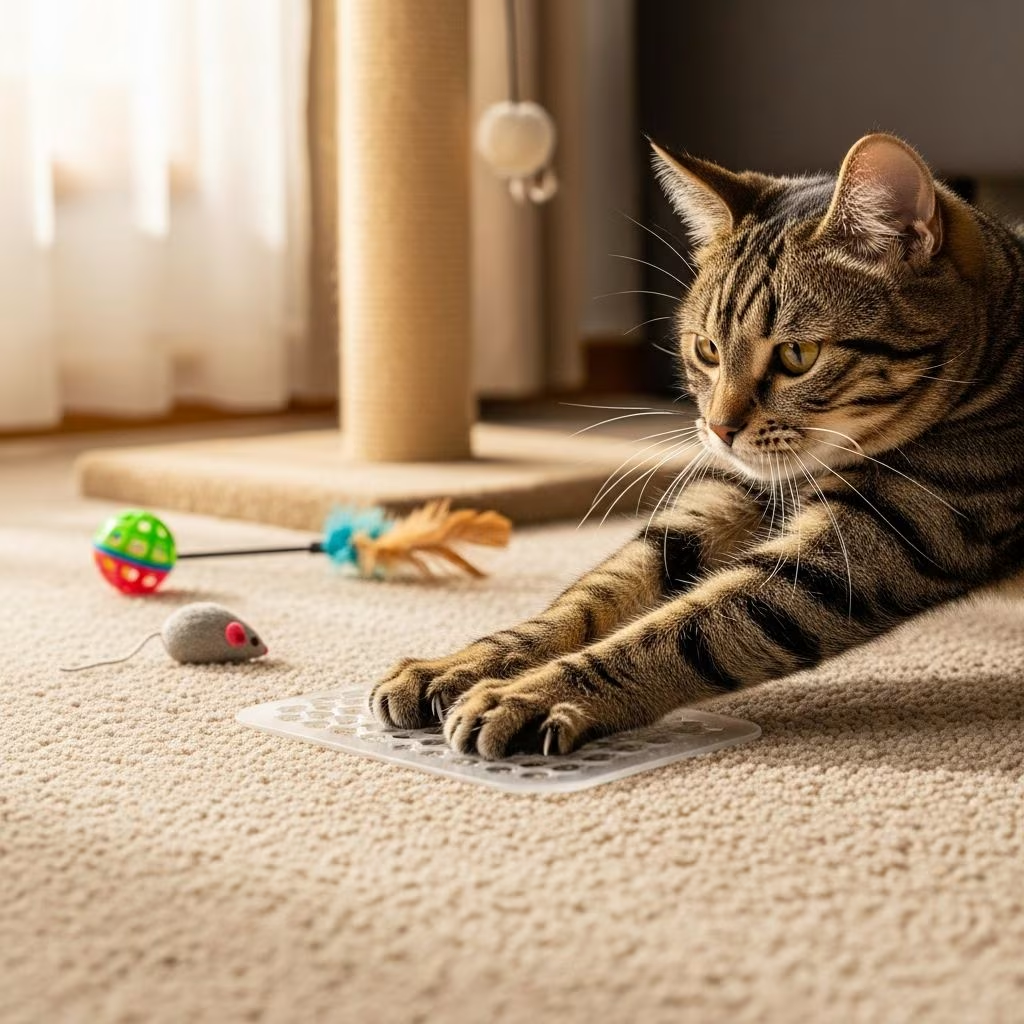
Cats scratching carpets is a common issue for pet owners, driven by natural instincts like marking territory, stretching, and shedding claws. Understanding these behaviors allows for effective, humane solutions to protect your home while keeping your cat happy.
Why Do Cats Scratch Carpets?
Cats scratch carpets to sharpen claws, mark territory with pheromones from paw glands, stretch muscles, and relieve stress. This instinctive behavior signals comfort or anxiety, often targeting high-traffic areas like stairs or doorways. Indoor cats may scratch more due to limited outlets.
Excessive scratching can indicate boredom, stress from changes, or lack of alternatives. Addressing root causes prevents escalation and maintains harmony.
How to Stop Your Cat from Scratching the Carpet
Effective strategies combine protection, redirection, and environmental enrichment. Start by observing patterns to tailor solutions.
1. Protect the Carpet
Physical barriers prevent damage while you retrain behavior.
- Carpet Protectors: Use transparent, residue-free protectors like plastic sheets or vinyl guards. They adhere securely without damaging fibers and deter scratching due to texture.
- Carpet Runners: Place ridged plastic or vinyl runners in problem areas. These stay put under traffic and are cost-effective replacements if scratched.
- Cover Scratch Spots: Block areas with furniture, rugs, aluminum foil, or laundry baskets for 3-4 weeks. This fades scents, breaking the habit cycle.
These methods buy time for behavioral changes without punishment, which can increase stress-related scratching.
2. Provide Appropriate Scratching Alternatives
Offer appealing substitutes to redirect instincts.
- Scratching Posts: Choose sturdy, tall (at least 90cm) posts in sisal, cardboard, carpet, or rope. Provide one per cat near preferred spots. Vertical for stretching, horizontal for lounging.
- Synthetic Attractants: Apply products like Feliscratch, mimicking feline interdigital semiochemical (FIS) pheromones. Rub on posts after cleaning; allow to dry 5 minutes.
- Placement Tips: Position near sleeping or scratching zones. Reward use with treats or play to reinforce.
| Scratcher Type | Best For | Material Options |
|---|---|---|
| Vertical Post | Stretching/Territory | Sisal, Carpet |
| Horizontal Pad | Lounging/Sharpening | Cardboard, Rope |
| Wall-Mounted | Space-Saving | Sisal Fabric |
3. Trim Your Cat’s Nails
Regular trims dull claws, reducing damage. Use cat-specific clippers; trim tips only, avoiding the quick (pink vein). Do weekly or bi-weekly. Desensitize with treats; professional grooming helps anxious cats.
Combine with soft caps for extra protection. Never declaw, as it’s painful and linked to behavioral issues.
4. Use Deterrents
Make carpets unappealing safely.
- Sticky Tape: Apply double-sided tape like Sticky Paws; cats dislike the texture.
- Scents: Spray diluted white vinegar, citrus, lavender, peppermint, or rosemary. Reapply after cleaning.
- Pheromone Sprays: Feliway diffusers calm stress-induced scratching. Clean areas first to remove territory scents.
5. Reduce Stress and Boredom
Address triggers holistically.
- Enrichment: Interactive toys, puzzle feeders, daily play sessions mimic hunting.
- Environment: High perches, secure cat flaps reduce anxiety from intruders.
- Scent Marking: Wipe cloth on cat’s cheeks, dab on posts for familiarity.
Monitor for multi-cat tensions; separate resources prevent competition.
6. Clean the Area Thoroughly
Remove pheromones with enzymatic cleaners or biological detergent plus surgical spirit (test first). Block access until dry, preventing re-marking.
Frequently Asked Questions
Why is my cat suddenly scratching the carpet?
Sudden increases often stem from stress (new home, pets), boredom, or overgrown claws. Observe changes and provide outlets.
Will my cat stop scratching if I trim nails?
Trims reduce damage but not instinct. Pair with scratchers for full redirection.
Are scratching posts enough?
Often yes, if suitable in type, size, and location. Experiment with materials.
Is it okay to use deterrents like sprays?
Yes, mild natural scents are safe; avoid toxic substances.
What if nothing works?
Consult a vet to rule out medical issues like arthritis or anxiety disorders.
Additional Tips for Long-Term Success
Consistency is key: Praise desired behavior, ignore unwanted. Multi-cat homes need ample resources. Patience yields results in weeks.
Preventive measures like early training and routine enrichments keep carpets intact.
References
- Effective Carpet Protectors From Cats — Zerorez Carpet Cleaning. 2023. https://www.zerorez.com/blog/carpet-protector-for-cats
- How to Redirect a Cat’s Destructive Scratching — Preventive Vet. 2024-01-15. https://www.preventivevet.com/cats/why-cats-scratch-and-how-to-protect-your-furniture
- How to stop cats scratching or clawing in the house — Blue Cross. 2023-05-10. https://www.bluecross.org.uk/advice/cat/behaviour-and-training/how-to-stop-cats-scratching-or-clawing-in-the-house



