

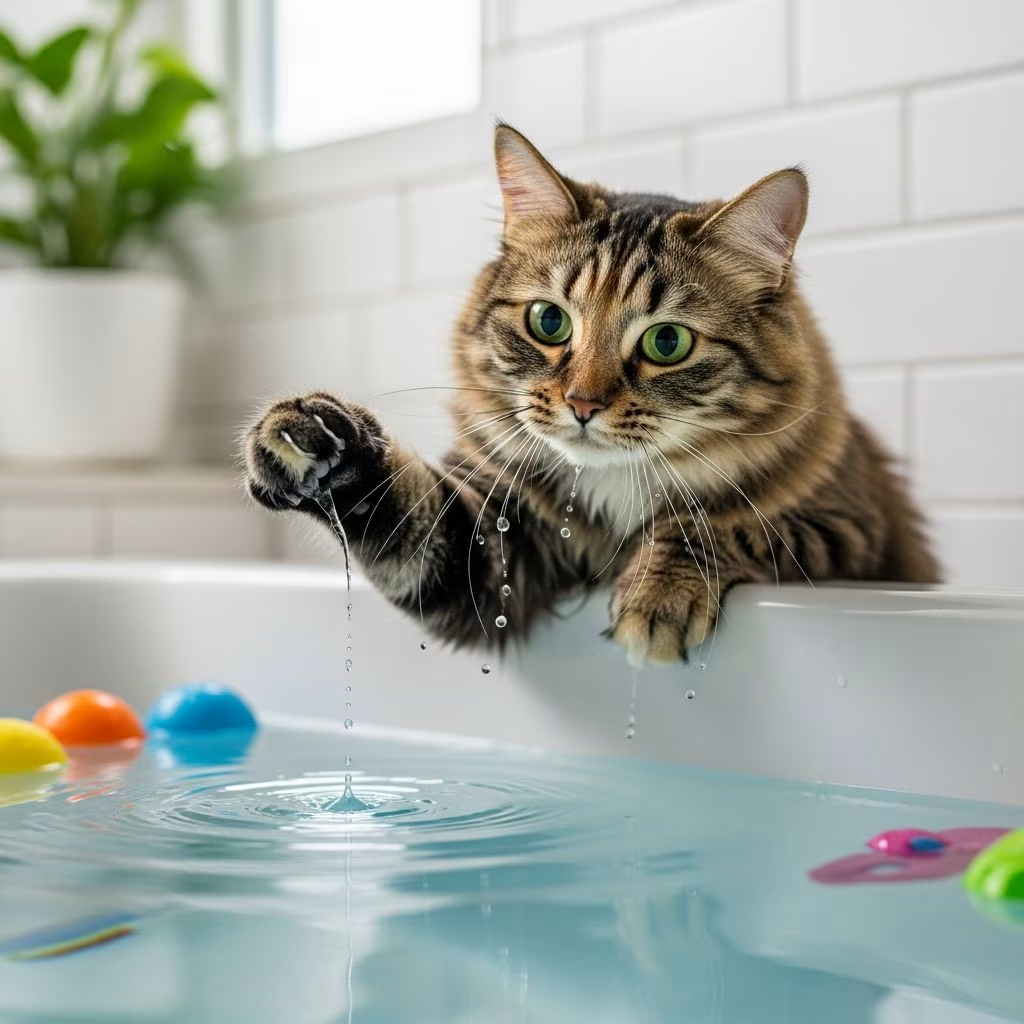
How to Stop a Cat From Putting Their Paws in Water
If you’ve ever walked into your kitchen to find water splashed across the floor and your cat contentedly licking their wet paw, you’re not alone. Many cat owners struggle with this common feline behavior—cats dipping their paws in their water bowls before drinking or simply playing in the water. While this behavior might seem puzzling or annoying, understanding the reasons behind it is the first step to addressing it effectively. This comprehensive guide explores why cats engage in this behavior and provides practical strategies to help you manage it.
Understanding Why Cats Put Their Paws in Water
Before you can stop your cat from dipping their paws in water, it’s important to understand the motivations behind this behavior. Cats don’t do things randomly—their actions are driven by instinct, comfort, health needs, or environmental factors. By identifying the root cause, you can implement targeted solutions that address your cat’s specific needs.
Instinctual Safety Testing
One of the primary reasons cats dip their paws in water is rooted in their wild instincts. In nature, cats are both predators and prey, and they need to be cautious about their water sources. When a cat touches the surface of water with their paw, they’re often checking to determine if the water is safe to drink. They may also be checking the depth of the water or disturbing the surface to see if there are any predators lurking underneath. This behavior is completely natural and has been passed down through generations of feline evolution. Even though your domestic cat lives in a safe home, these instincts remain strong.
Whisker Sensitivity and Bowl Design
Cats have extremely sensitive whiskers that serve as important sensory organs. When a cat drinks from a shallow or narrow bowl, their whiskers touch the sides of the dish, which can cause discomfort or stress—a condition known as whisker fatigue. To avoid this unpleasant sensation, your cat might choose to drink from their paw instead, or they may avoid drinking altogether. The shape and size of your cat’s water bowl can make a significant difference in their drinking behavior and overall comfort.
Vision and Depth Perception
Cats are naturally far-sighted, meaning they have difficulty seeing objects that are close to them. When your cat dips their paw in the water bowl, they may be attempting to gauge the water’s depth or determine exactly where the water level is. This is particularly common in older cats who may have declining vision. If your senior cat has recently started this behavior, it could indicate vision changes that warrant a veterinary consultation. Early detection of vision issues can be critical to helping treat or delay age-related eye conditions.
Mobility and Joint Issues
Mobility problems are another reason cats might dip their paws in water instead of bending down to drink normally. Senior cats in particular may experience joint issues like arthritis or osteoarthritis that make it uncomfortable or difficult to bend down to a bowl at ground level. If you notice your older cat remaining seated while drinking from their paw, this could indicate a mobility concern that should be discussed with your veterinarian.
Cooling Down
Cats are sensitive to heat, and when faced with warm weather, they often resort to dipping their paws in cool water as a natural way to regulate their body temperature. The cool sensation on their paws effectively lowers the temperature of their blood, which then circulates throughout their entire body, helping them maintain a comfortable state. This is a healthy, instinctive behavior that helps your cat stay cool during hot months.
Play and Enrichment
Cats need enrichment in their lives to stay mentally stimulated and happy. Playing with water can serve as a form of enrichment, especially for younger or more playful cats. Kittens are particularly prone to this behavior as they explore their environment and learn about the world around them. Your cat might be engaging in this water-play as a way to create fun and entertainment in their daily routine.
Stress and Boredom
Dipping a paw in water can also be a sign of stress or boredom in cats. If your cat frequently knocks over their water bowl or splashes excessively, the behavior might stem from anxiety or lack of mental stimulation. Cats also prefer to drink in less busy areas of the house, away from high-traffic zones that might make them feel vulnerable or stressed.
Practical Solutions to Stop the Behavior
Now that you understand the reasons behind your cat’s water-bowl behavior, here are evidence-based strategies to help you manage and reduce it:
Invest in the Right Water Bowl
The type and size of your cat’s water bowl significantly impact their drinking experience. Consider these upgrades:
- Wider, shallow bowls: Instead of narrow dishes, use wider bowls that accommodate your cat’s whiskers without causing them to touch the sides.
- Elevated water bowls: Raising your cat’s water bowl to chest height can reduce strain and improve comfort while drinking. Elevated bowls are particularly helpful for senior cats or those with mobility issues.
- Ceramic or stainless steel options: Some cats have sensitive mouths and prefer certain materials. Experiment to find what your cat prefers.
- Water bowls with fill-level markings: These allow you to monitor your cat’s water intake more easily.
Provide Multiple Water Sources
Having multiple water sources throughout your home encourages your cat to drink more water and gives them options. Place water bowls in different locations, ensuring easy accessibility. Some cats prefer drinking from a running faucet or pet fountain, so consider investing in a cat water fountain if your cat shows interest in flowing water. The movement and aeration of fountains can be more appealing to cats and may reduce the urge to splash in stationary bowls.
Maintain Fresh, Clean Water
Cats strongly prefer fresh, clean water. Make sure to:
- Replenish your cat’s water bowls daily with fresh water
- Clean bowls regularly to prevent bacterial growth
- Change water more frequently during hot months
- Avoid placing water bowls near the litter box, as cats have a natural aversion to drinking near their waste area
Optimize Bowl Placement
Location matters significantly for your cat’s drinking comfort. Consider these placement strategies:
- Place bowls in quiet, low-traffic areas of your home away from noisy appliances
- Keep bowls separated from food and litter boxes
- Ensure the area is well-lit so your cat can see the water clearly
- Move the bowl to a new location if your cat seems stressed or anxious
Increase Environmental Enrichment
If your cat is playing with water out of boredom, providing more enrichment can help:
- Introduce new interactive toys regularly
- Engage in regular play sessions with your cat
- Provide climbing structures and perches
- Consider puzzle feeders and treat-dispensing toys
Incorporate Wet Food and Water-Rich Diets
Cats obtain a significant portion of their water intake from their diet. To increase overall hydration:
- Incorporate wet food into your cat’s diet
- Consult with your veterinarian about water-rich diet options
- Ensure proper nutrition while maintaining adequate hydration
Monitor for Health Issues
If your cat’s behavior has recently changed, especially in senior cats, contact your veterinarian. Sudden changes in water consumption or new paw-dipping behavior could indicate:
- Vision problems requiring correction
- Joint or mobility issues
- Dental problems affecting drinking comfort
- Underlying health conditions
Additionally, if you notice your cat is drinking significantly more or less water than usual, contact your vet immediately, as this could indicate conditions such as chronic kidney disease, hyperthyroidism, or diabetes.
When to Consult Your Veterinarian
While most cats putting their paws in water is harmless behavior, certain situations warrant professional evaluation. Contact your veterinarian if:
- Your senior cat recently started this behavior
- The behavior coincides with other changes in eating or drinking patterns
- Your cat shows signs of stress, anxiety, or behavioral changes
- You notice mobility problems or reluctance to bend down
- Your cat’s water consumption has increased or decreased significantly
Quick Reference: Solutions at a Glance
| Problem | Solution | Why It Works |
|---|---|---|
| Sensitive whiskers | Wider, shallow bowls or elevated options | Prevents whisker fatigue and discomfort |
| Difficulty seeing water depth | Elevated bowls with better lighting | Improves visibility and depth perception |
| Mobility issues | Elevated water bowls at chest height | Reduces strain on joints and neck |
| Boredom or stress | Multiple bowls, enrichment toys, quiet locations | Provides mental stimulation and comfort |
| Preference for moving water | Pet water fountain | Mimics natural water sources cats prefer |
Frequently Asked Questions (FAQs)
Q: Is it dangerous for my cat to dip their paws in water?
A: In most cases, this behavior is harmless and rooted in natural instincts. However, if the behavior is new in an older cat or accompanied by other changes, consult your veterinarian to rule out health issues.
Q: Why does my cat drink from their paws instead of the bowl?
A: Common reasons include whisker sensitivity, difficulty seeing the water depth, mobility issues, bowl design, or simply preference. Addressing these factors through bowl upgrades or environmental changes often helps.
Q: Can I stop my cat from playing in their water bowl?
A: Yes, by providing enrichment, using appropriate bowls, optimizing placement, and considering a water fountain. The key is identifying why your cat engages in this behavior and addressing the underlying cause.
Q: Do water fountains really help with this behavior?
A: Many cats prefer moving water and may be less likely to splash or dip their paws in fountains. However, some cats may still play with fountain water, so individual results vary.
Q: What should I do if my cat suddenly starts this behavior?
A: If your cat suddenly begins dipping their paws in water, especially if it’s a senior cat or accompanied by other behavioral changes, schedule a veterinary checkup to rule out vision, mobility, or health issues.
Q: Is whisker fatigue a real condition?
A: Yes, whisker fatigue is a real condition caused by repeated stimulation of the sensitive whiskers. Using wider bowls or elevated water dishes can prevent this stress-related issue.
References
- Why do cats dip their paws in water? — Petlibro. https://petlibro.com/blogs/all/why-do-cats-dip-their-paws-in-water
- 8 reasons cats dip their paws in water — BetterPet. https://www.betterpet.com/learn/why-cats-paw-at-water
- Why Does My Cat Spill His Water Everywhere Before Drinking? — Scary Mommy. https://www.scarymommy.com/lifestyle/why-do-cats-paw-at-water-splash-before-drinking
- Cat Putting Paws in Water Bowl: Understanding the Behavior — UAHPet. https://www.uahpet.com/blogs/post/cat-putting-paws-in-water-bowl-understanding-the-behavior



