

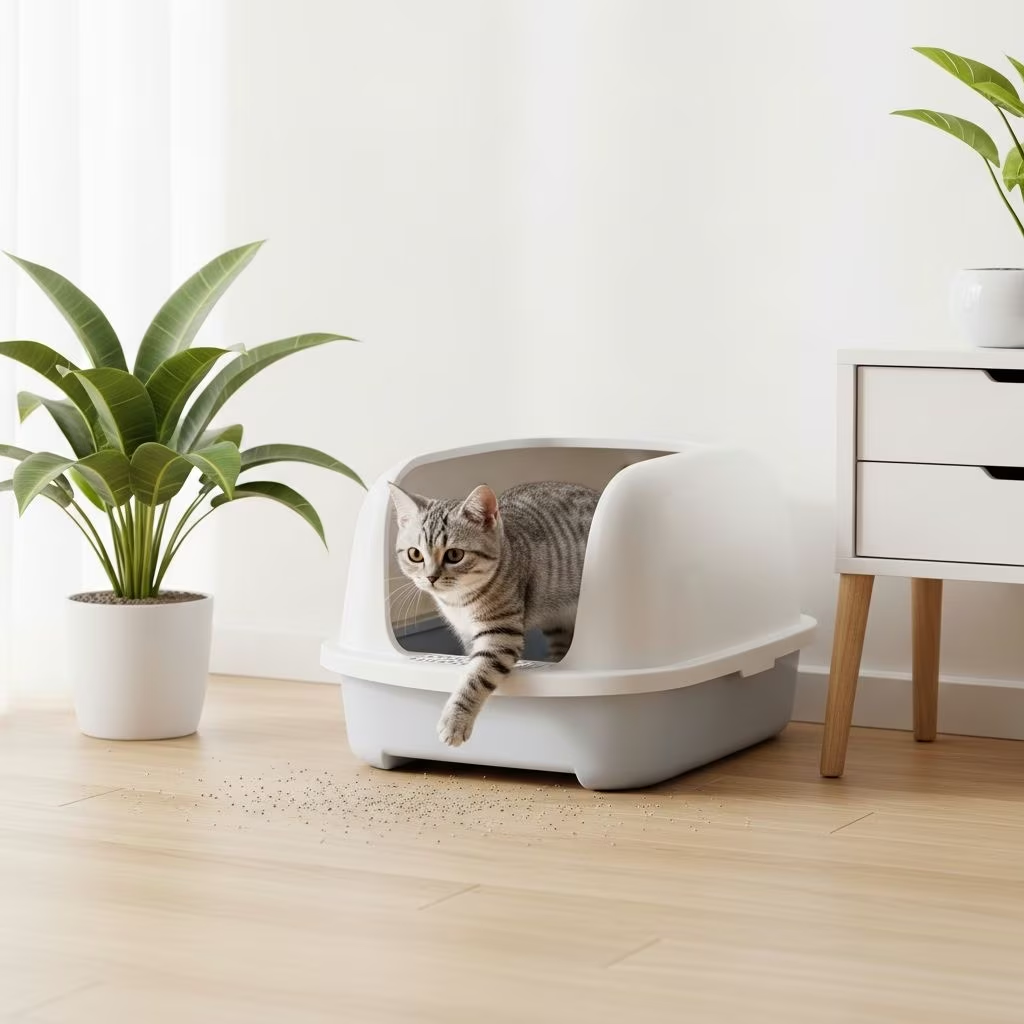
If you’re forever finding pieces of cat litter scattered around your house, it’s time for a solution. Cat litter being tracked around your home is a common complaint of cat owners. So, we rounded up nine proven methods for stopping your cat from tracking litter around the house.
Why Is My Cat Tracking Litter?
Litter sticks to your cat’s paws and fur when they use the litter box. As they walk around the house, this litter falls off your cat’s paws. The litter can then end up anywhere that your cat has been: on the couch, in your carpet, or all over your freshly laundered bed. Cats naturally dig and scratch in the litter to cover their waste, which can fling small particles onto their paws or the floor. Factors like litter type, box design, and cleaning habits exacerbate this issue, leading to widespread scatter.
Understanding the mechanics helps: finer dust or lightweight granules cling more easily, while vigorous digging sends litter flying. Long-haired cats may trap more in their fur, and overfilled boxes increase spillage. Addressing these root causes is key to a litter-free home.
How to Stop Litter Tracking
1. Don’t Overfill the Litter Box
Overfilling leads to more litter displacement during digging. Fill to just 2-3 inches deep—enough for burying but not so much that it overflows with every step. This reduces the volume available to stick to paws or scatter outside. Cats only need sufficient depth to cover waste; excess just invites tracking.
2. Choose Litter with a Larger Granule Size
Cat litter with a small granule size can often track more easily than litter of a larger size. Clumping wood litter is a good option if you’re thinking about switching to new litter to reduce tracking. Make sure to transition to the new litter gradually, though, so your cat has time to get used to it. Clay litter is one of the worst types for tracking because it can be quite dusty, which means your cat can end up with many small particles on their paws.
Larger granules like pellets or wood-based litters weigh more and fall off paws faster. Dust-free formulas minimize airborne particles that settle everywhere. Trade-offs include potential dust control vs. odor absorption—test small amounts first.
3. Use a High-Sided or Top-Entry Litter Box
Some cats love to scrape litter around in the box, and this can result in litter flying out of the box. It’s then much easier for this to get tracked around the house. Switching to a high-sided litter box can solve this problem and keep as much of the litter as possible within the box rather than on your floors.
If that’s not enough for your cat, then a top-entry litter box might be the answer. Even if your cat ends up kicking litter high into the air, this will contain 90% of it, making cleaning up much easier. Covered boxes with flaps or top-entry designs shake off litter before cats exit. For seniors, choose low-entry high-sided options.
4. Use an Anti-Tracking Mat
Placing an anti-tracking mat in front of your cat’s litter box helps reduce the amount of litter that’s tracked throughout your house. As your cat walks over the mat, the litter is caught and contained. You’ll still need to clean the mat regularly, but that’s much easier and quicker than finding litter in the whole house!
Litter mats are one of the best inventions for helping stop litter tracking. Basically, you set your litter box on top of or in front of a piece of carpet, fabric, or specially designed mat to help “wipe” kitty’s paws as they exit the litter box. Options include silicone, fiber, waterproof, or double-layer mats that trap debris in grooves or fibers. Shake, vacuum, or wash weekly. DIY with old towels or carpet remnants.
5. Clean up Litter Daily
Keep a cordless vacuum next to your cat’s litter box, and get into the habit of vacuuming around the litter box at least once a day. This will help keep loose litter under control and make it much less likely that it’s going to get tracked all around your house. Daily cleaning motivates gentler digging, reducing scatter.
6. Strategic Litter Box Placement
Where you set up your cat’s litter box affects tracking. Choose quiet, low-traffic areas away from food and high-moisture spots. Use litter box hiders, cabinets, or closets with cat doors to contain scatter—these enclosures catch initial fallout. Create dedicated zones with barriers or partitions to confine litter.
7. Trim Your Cat’s Paw Fur
For long-haired cats, trim fur between paw pads to prevent litter trapping. Short paws hold less debris, significantly cutting tracking. Use pet-safe clippers gently, rewarding with treats. This simple groom reduces carry-out without full grooming sessions.
8. Smart Cleaning Techniques
Scoop over the box to avoid drops; hold bags low. For full changes, place the pan in a trash bag first. Use brooms, dustpans, lint rollers, or tape for quick pickups. Roll mats before shaking outside. Vacuum under boxes weekly. Quick-clumping litter prevents stepping in wet spots that stick.
9. Train and Additional Tips
Positive reinforcement: Reward calm box use. Furniture protectors shield nearby areas. For budgets, cardboard enclosures work. Multiple cats need more boxes and frequent vacuums.
Types of Litter Mats Comparison
| Type | Pros | Cons | Best For |
|---|---|---|---|
| Silicone/Grooved | Traps litter deeply, easy shake-out | Can be pricey | High-traffic homes |
| Fiber/Carpet | Wipes paws effectively, affordable DIY | Needs frequent washing | Budget-conscious |
| Waterproof Double-Layer | No floor leaks, traps in bottom layer | Bulkier | Hard floors |
| Simple Towel | Cheap, absorbent | Less durable | Temporary fix |
This table highlights options to match your needs and budget.
Frequently Asked Questions (FAQs)
What litter tracks the least?
Larger granule, dust-free wood or corn-based litters track least. Avoid dusty clay.
Do litter mats really work?
Yes, they catch 70-90% of tracked litter when chosen and cleaned properly.
Why does my long-haired cat track more?
Fur traps granules; regular paw trims help immensely.
Can I make my own litter tracker solutions?
Absolutely—use carpet scraps, cardboard boxes, or barriers for effective, cheap fixes.
How often should I vacuum near the litter box?
Daily for multi-cat homes, every other day for singles to prevent spread.
References
- 5 Tips to Help Stop Cat Litter Tracking — Arm & Hammer. 2023-05-15. https://www.armandhammer.com/en/articles/5-tips-to-help-cat-litter-tracking
- How to Stop Cat Litter Tracking at Home: 9 Proven Methods — Catster. 2024-08-20. https://www.catster.com/lifestyle/how-to-stop-cat-litter-tracking/
- How to Keep Cat Litter from Tracking: A Complete Guide — WOpet. 2024-03-10. https://wopet.com/cats/how-to-keep-cat-litter-from-tracking/
- How to Prevent Cat Litter Tracking — World’s Best Cat Litter. 2023-11-05. https://www.worldsbestcatlitter.com/blog/cat-litter-tracking-solutions/
- Clean Kitty 101: How to Stop Litter Tracking — Modkat. 2024-01-12. https://modkat.com/blogs/modkat-purrr/how-to-stop-cat-litter-tracking



