

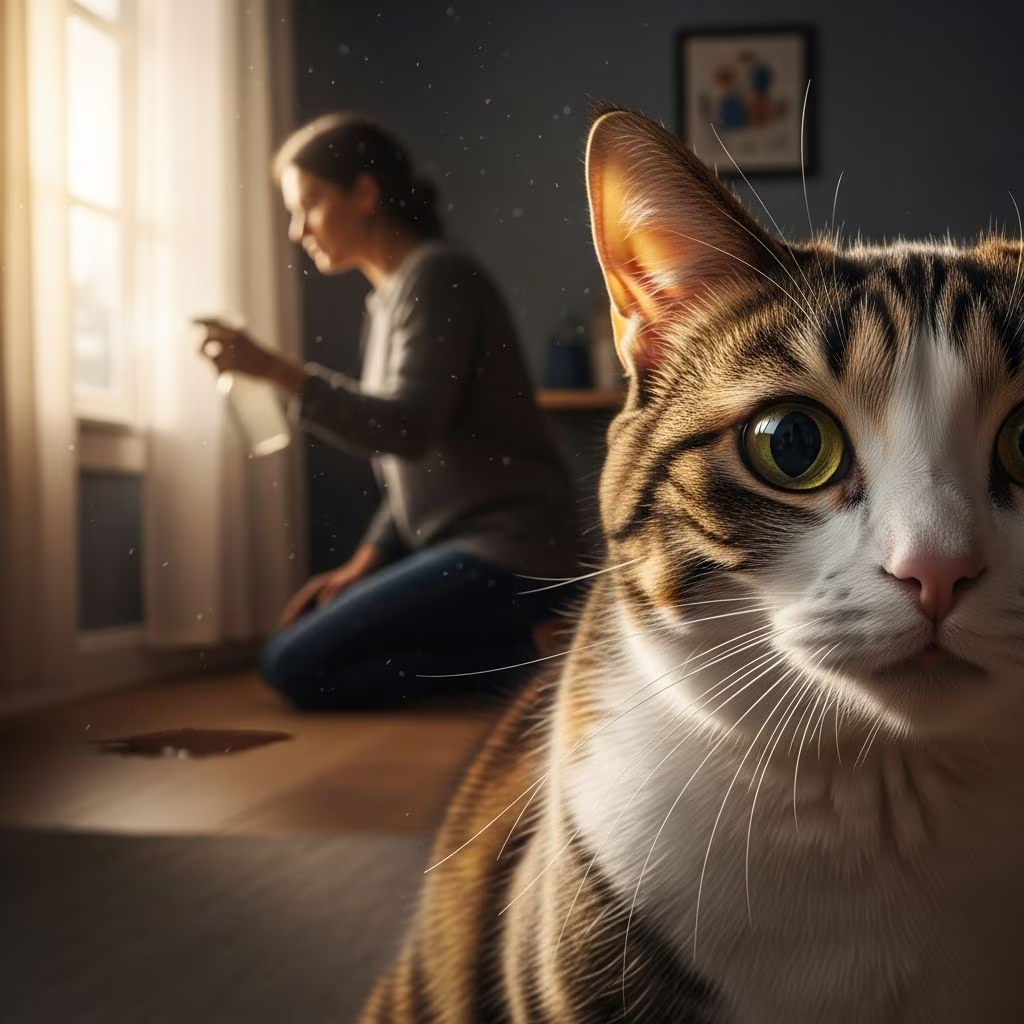
Cat spraying, also known as urine marking, is a common feline behavior where cats deposit small amounts of urine to communicate territory, mating readiness, or stress. While frustrating for owners, understanding the causes and implementing targeted solutions can effectively stop this behavior in most cases.
Reader’s Question
“My cat has started spraying in the house. How can I stop this behavior?”
Spraying is often linked to intact hormones, stress, or environmental triggers. Start with a vet visit to rule out medical issues, then apply behavioral modifications like neutering, cleaning, and stress reduction.
What Is Cat Spraying?
Cat spraying involves backing up to a vertical surface, raising the tail, and releasing a small mist of urine. Unlike normal urination, which occurs in a squatting position with larger volumes, spraying serves as a communication tool.
- Posture difference: Tail raised and quivering, back feet treading for spraying vs. squatting for elimination.
- Volume: Small spray (few milliliters) vs. full bladder puddle.
- Surface: Vertical walls, furniture; rarely horizontal floors.
Why Do Cats Spray?
Cats spray for instinctual reasons tied to reproduction, territory, and emotions. Identifying the trigger is key to resolution.
Mating Behavior
Unneutered males and females in heat spray to signal availability. This peaks around 6 months of age as puberty hits. Neutering eliminates 90% of hormone-driven spraying.
Territorial Marking
Indoor cats spray near doors/windows upon seeing outdoor cats. New pets, people, or household changes prompt reclaiming space via scent.
Stress and Anxiety
Environmental shifts like moves, renovations, or multi-cat tension cause anxiety spraying. Cats use familiar scents for security.
Medical Causes
Rule out UTIs, kidney disease, diabetes, or hyperthyroidism first. Bloodwork and urinalysis detect these; spraying can mimic marking.
How to Tell If Your Cat Is Spraying or Urinating
| Aspect | Spraying | Urinating |
|---|---|---|
| Posture | Stands upright, tail up/quivering, treading feet | Squats low |
| Amount | Small mist/puddle | Large puddle |
| Location | Vertical surfaces (walls, curtains) | Horizontal (floor, litter box) |
| Smell | Strong, pungent ammonia | Regular urine odor |
Observe closely; misdiagnosis leads to wrong fixes. Large puddles signal litter issues or health problems.
Is Cat Spraying a Litter Box Problem?
Not always. Spraying targets walls, not boxes. However, poor litter setup exacerbates issues:
- Dirty boxes (scoop daily).
- Insufficient boxes (1 per cat +1 extra).
- Unappealing litter/location (experiment types).
Use L-shaped double boxes or deep bins to contain sprays near boxes.
7 Ways to Stop Cat Spraying
Neuter or Spay Your Cat
Most effective for hormone cases; 90% success post-procedure before 6 months. Females also benefit.
Clean Sprayed Areas Thoroughly
Enzymatic cleaners break down proteins; avoid ammonia. Test small areas. Place food/toys over spots.
Reduce Stress
Maintain routines, provide hiding spots, toys. Use pheromone diffusers (Feliway) mimicking cheek scents.
Block Visual Triggers
Close curtains, use window film, motion sprinklers outside. Remove attractants like food scraps.
Improve Litter Access
Multiple clean boxes in quiet spots. Separate in multi-cat homes.
Environmental Enrichment
Cat trees, scratchers near spray spots, playtime reduce boredom.
Consult Vet for Meds
If persistent, anti-anxiety meds or further diagnostics.
How Do You Stop a Cat from Spraying Outside?
Secure cat flaps with collars/keys. Motion deterrents, citrus peels, vinegar sprays repel strays. Feed indoors only.
Will a Cat Spray Again After Neutering?
Most don’t; 10-20% continue due to habit/stress. Combine with other methods.
How Do You Reform a Spraying Cat?
Consistency: Log incidents, track progress. Patience takes weeks. No punishment—increases fear.
Frequently Asked Questions (FAQs)
What smell do cats hate to stop spraying?
Citrus, vinegar, eucalyptus. Use sprays outside; diffusers inside.
Does vinegar stop cats from spraying?
Yes, dilutes scents outdoors; enzymatic cleaners indoors.
How do you make homemade spray to stop cats?
Mix water, vinegar, citrus oil. Test fabrics.
At what age do cats start spraying?
Around 6 months, puberty onset.
Why do neutered cats still spray?
Stress, habit, medical issues.
Does cat spraying mean they need to be put down?
No, treatable with proper steps.
Conclusion
Stopping cat spraying requires vet checks, neutering, cleaning, and enrichment. Most cats respond within weeks, restoring harmony.
References
- Why Cats Spray and How to Prevent It — Harlingen Veterinary Clinic. 2023. https://harlingenveterinaryclinic.com/blog/cat-spraying/
- Stop Cat Spraying in House — Best Friends Animal Society. 2024. https://bestfriends.org/pet-care-resources/why-my-cat-spraying-house-and-how-do-i-stop-it
- Cat Spraying: Why Cats Do It and How to Stop It — PetMD. 2025-01-10. https://www.petmd.com/cat/general-health/cat-spraying-why-cats-do-it-and-how-to-stop-it
- Why Cats Spray and How to Stop this Behavior — Carey Animal Hospital. 2023. https://careyanimalhospital.com/blog/cat-spraying/
- Stop your Cat Spraying or Soiling in the House — Blue Cross. 2024. https://www.bluecross.org.uk/advice/cat/behaviour-and-training/stop-your-cat-spraying-and-soiling-in-the-house
- How to Stop Cat Spraying: 7 Proven Solutions — YouTube (Veterinary Expert). 2024. https://www.youtube.com/watch?v=CjP8mgEyFJA
- It’s Time to Stop Spraying Cats with Water! — Feline Behavior Solutions. 2023. https://felinebehaviorsolutions.com/stop-spraying-cats-with-water/



