

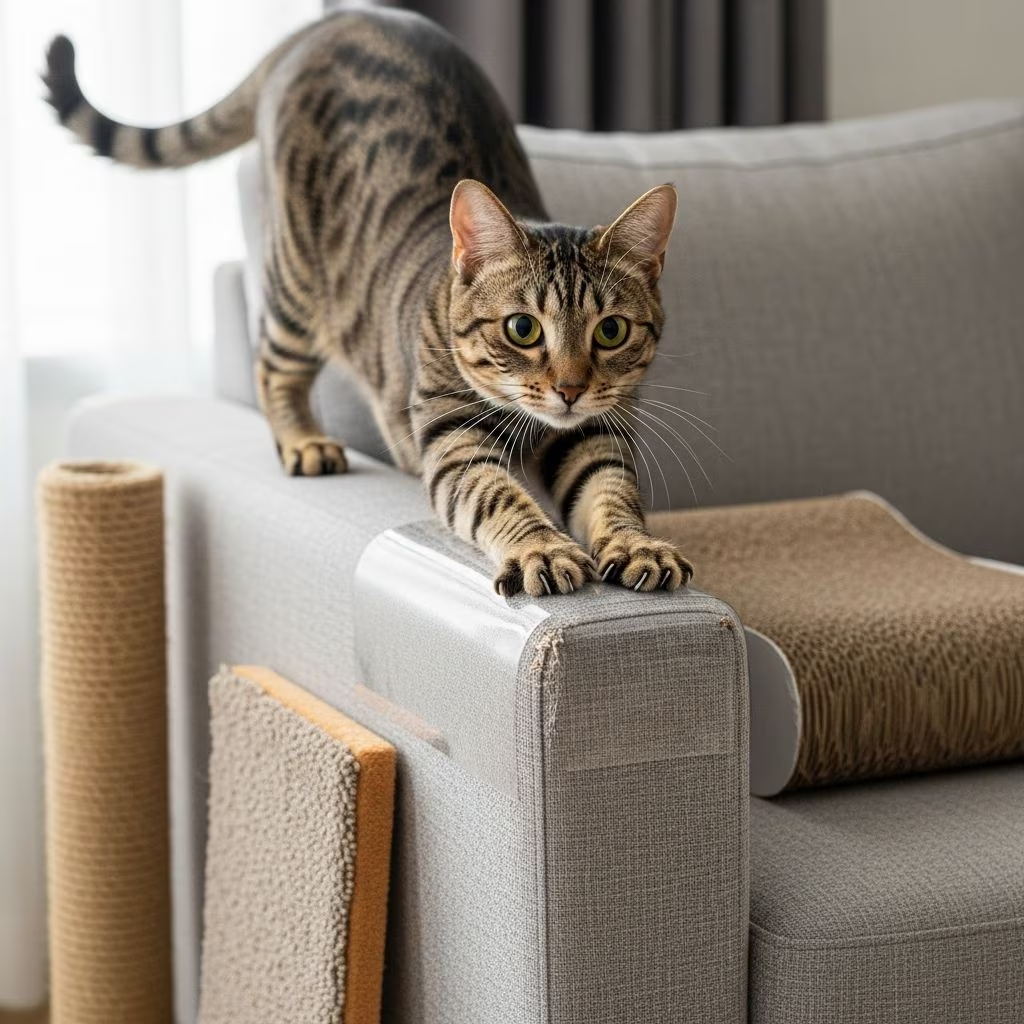
Cat scratching is a natural and essential behavior that helps cats maintain healthy claws, mark territory, stretch muscles, and relieve stress. However, when directed at your sofa, it can cause frustration and damage. Punishing your cat is ineffective and harmful, as it doesn’t address the instinctual need. Instead, focus on redirection, providing appealing alternatives, and gentle deterrents. This guide covers why cats scratch, prevention strategies, training methods, and maintenance tips to protect your furniture while keeping your cat happy.
Why Do Cats Scratch Furniture?
Cats scratch for several biological and behavioral reasons. Primarily, it keeps their claws sharp by shedding old nail layers, preventing overgrowth that could lead to discomfort or injury. Scratching also allows cats to stretch fully, engaging muscles from paws to shoulders, which is vital for physical health. Additionally, cats have scent glands in their paws; scratching deposits pheromones to mark territory and communicate with other cats in the household. It serves as stress relief, especially during excitement, boredom, or environmental changes like new pets or moves. Indoor cats may scratch more due to lack of natural outlets like trees. Understanding these motivations helps tailor solutions that satisfy the behavior appropriately.
Why Punishment Doesn’t Work
Scolding, yelling, or using water sprays to punish scratching fails because cats don’t connect the punishment with the action, especially if delayed. This can increase stress, worsening the behavior, and damage your bond. Aversive methods like loud noises may temporarily deter but don’t provide alternatives, leading to scratching elsewhere. Positive reinforcement—rewarding desired scratching—is more effective and humane, aligning with feline learning through association.
Provide Proper Scratching Posts
The cornerstone of stopping sofa scratching is offering superior scratching posts that match your cat’s preferences. Observe what your cat targets: rough textures like sisal rope or wood mimic trees; soft fabrics suggest carpet-covered posts; horizontal shredders appeal to floor scratchers. Posts should be sturdy, tall (at least 3 feet for full stretches), with stable bases to avoid tipping, which scares cats. Place them near the sofa in high-traffic areas or by sleeping spots, as cats prefer social locations.
- Sisal rope or fabric-wrapped posts: Ideal for vertical scratchers; sisal provides satisfying resistance.
- Cardboard scratchers: Great for horizontal preferences; disposable and catnip-infused options encourage use.
- Wood logs or planks: Natural appeal, especially softwoods like cedar.
- Multi-cat homes: Provide one post per cat plus extras near targeted furniture.
Enhance appeal by rubbing with catnip, silver vine, or toys, and praise lavishly when used. Drape-over posts protect sofa arms while allowing scratching in place.
Deterrents for the Sofa
While providing alternatives, use non-harmful deterrents to make the sofa unappealing. These interrupt the behavior without pain.
| Method | How It Works | Pros | Cons |
|---|---|---|---|
| Tin foil or plastic covers | Crumpled texture feels unpleasant | Cheap, easy | Ugly, temporary |
| Sticky Paws tape | Double-sided adhesive deters touch | Furniture-specific, removable | May peel fabric |
| Spike-side carpet runner | Prickly spikes discourage paws | Reusable | Bulky |
| Citrus sprays | Cats dislike citrus scent | Natural, invisible | Needs reapplication |
| Motion-activated air hissers | Startles without harm | Hands-free | May scare excessively |
Clean scratched areas first with enzymatic cleaners or soap to remove pheromones, preventing return visits.
Train Your Cat to Use the Scratching Post
Training redirects habits through consistency and positivity. Place the post near the sofa. When your cat approaches the sofa, gently lift and guide paws to the post, mimicking scratching motions. Reward immediately with treats, praise, or play. Repeat daily; most cats learn in 1-2 weeks. For kittens, early training prevents habits. Ignore sofa scratches; never reward with attention. Use clicker training for precision: click for post use, follow with treats.
- Observe preferred times (e.g., mornings) and preempt with post play.
- Model by scratching the post yourself vigorously.
- Rotate posts if one loses appeal; refresh with catnip.
Nail Trims and Claw Covers
Regular maintenance reduces damage. Trim nails every 10-14 days using cat-specific clippers, avoiding the quick (pink vein). Reward heavily. Soft Paws nail caps—plastic sheaths glued over claws—blunt damage for 4-6 weeks; apply post-trim. Vet application first time; then DIY. Not a full solution without posts, but ideal for heavy scratchers. Avoid declawing—it’s painful, illegal in some areas, and removes natural behavior.
Cleaning and Pheromone Products
Scent drives repeat scratching; clean with enzyme-based cleaners to erase pheromones. Feliway Classic spray mimics facial pheromones, deterring scratches on treated surfaces (not posts). Spray post-cleaning on sofa; reapply as needed. Combine with alternatives for best results.
Special Considerations for Multi-Cat Homes
Competition amplifies scratching. Provide ample posts (1+ per cat), spaced to avoid resource guarding. Monitor dynamics; stressed cats scratch more. Vertical territory like cat trees helps.
Preventing Carpet Scratching
Similar principles apply: offer horizontal sisal mats or cardboard near targeted areas. Use deterrents like citrus or tape; protect with flat sisal runners. Shreddable rugs satisfy urges sustainably.
Frequently Asked Questions (FAQs)
What if my cat ignores the scratching post?
Experiment with materials, locations, and enticements like catnip. Ensure stability; persistence pays off.
Are nail caps safe long-term?
Yes, when trimmed properly; they grow out naturally without harm.
How long until training works?
1-4 weeks with consistency; kittens learn fastest.
Can I use aversives like sprays alone?
No—pair with alternatives or behavior returns.
What about kittens vs. adults?
Kittens train easily; adults may need more experimentation.
(Word count: 1678)
References
- How to Stop Your Cats From Scratching Furniture — Jackson Galaxy. 2023-05-15. https://www.jacksongalaxy.com/blogs/news/how-to-stop-your-cats-from-scratching-furniture
- How to Stop Cats From Scratching the Furniture — PetMD. 2024-08-20. https://www.petmd.com/cat/behavior/how-to-stop-cats-from-scratching-furniture
- Protecting Your Furniture From Cat Scratching — Class Act Cats. 2023-11-10. https://classactcats.com/blog/protecting-furniture-from-cat-scratching/
- How To Keep Cats From Scratching Furniture — Feliway US. 2024-02-14. https://us.feliway.com/blogs/news/how-to-keep-cats-from-scratching-furniture



