

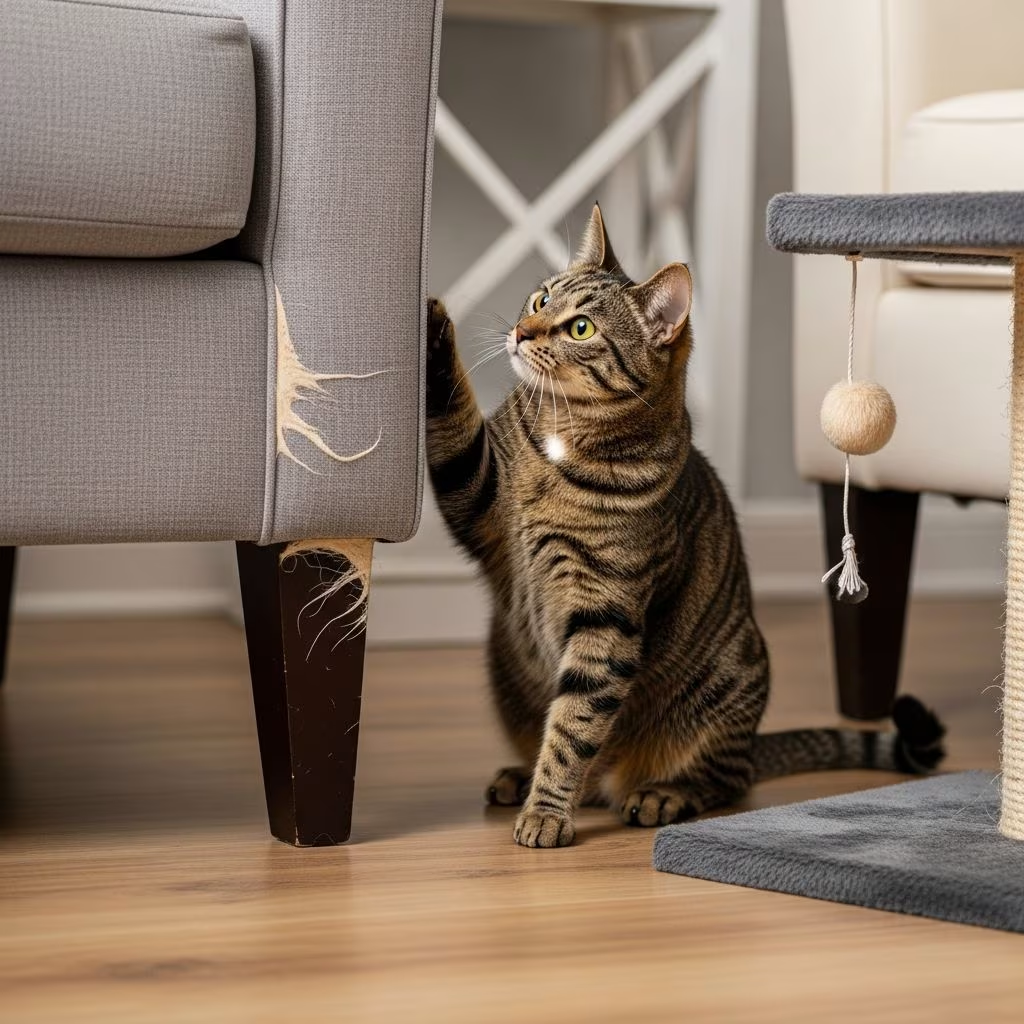
How to Stop Cats From Scratching Furniture
Cat scratching is one of the most common behavioral issues pet owners face, often resulting in damaged couches, chairs, and other household furniture. However, understanding why cats scratch and implementing the right strategies can significantly reduce furniture damage while keeping your feline friend happy and healthy. Rather than trying to stop scratching entirely, the most effective approach is to redirect this natural behavior toward appropriate surfaces.
Why Do Cats Scratch?
Before addressing solutions, it’s important to understand that scratching is a completely natural and necessary behavior for cats. Cats scratch for several important reasons: to mark their territory by depositing scent-gland pheromones, to stretch their muscles and maintain flexibility, and to shed old claw sheaths. Scratching is also a form of exercise and stress relief. Recognizing this helps pet owners appreciate that the goal isn’t to eliminate scratching entirely, but rather to redirect it to appropriate surfaces.
Provide Alternative Scratching Surfaces
The foundation of any successful furniture protection strategy is providing appropriate scratching outlets. Every cat has unique preferences, so offering a variety of options increases the likelihood that your cat will use them consistently.
Types of Scratching Posts
Different cats prefer different materials and orientations. Consider offering multiple options including:
- Sisal rope-wound posts, which many cats find appealing due to their natural texture
- Cardboard scratchers for cats that enjoy the feeling of shredding material
- Carpet-covered surfaces for tactile preferences
- Wood planks or logs made from softwoods like redwood or cedar, which closely mimic natural tree scratching
- Vertical scratching posts for cats that like to stretch upward
- Horizontal scratchers for cats that prefer to scratch flat surfaces
Placement Strategy
Where you place scratching posts is equally important as the type you choose. Position scratchers near the furniture your cat already targets, as cats are drawn to familiar areas. Since cats are social creatures, place scratching posts in areas where your family spends time rather than hiding them in secluded corners. This increases the likelihood your cat will actually use them. Avoid placing scratchers near carpet-covered furniture, as it’s difficult to teach cats the difference between scratching acceptable carpet and unacceptable upholstered pieces.
Use Effective Deterrents
Deterrents make furniture less appealing to scratch while you work on redirecting behavior to appropriate surfaces. Multiple deterrent methods can be used in combination for better results.
Physical Deterrents
These methods create unpleasant sensations that discourage scratching:
- Double-sided tape: Products like Sticky Paws placed on furniture surfaces create a sticky, unpleasant texture that most cats avoid without causing pain
- Aluminum foil: Many cats dislike the noise and texture of foil, making it an effective deterrent when placed on frequently scratched areas
- Plastic protective sheets: Clear plastic protectors can shield furniture while remaining visually unobtrusive
- Blankets and throws: Covering favorite scratching spots with tight-fitting sheets or decorative blankets provides protection while adding to your décor
- Motion-activated deterrents: These devices emit a harmless hissing noise or spray when your cat approaches, startling them away from the furniture
Scent-Based Deterrents
Many cats dislike certain smells and will avoid areas treated with scent deterrents. Citrus-based sprays are particularly effective, as most cats naturally dislike citrus scents. Lavender and vinegar sprays can also work for some cats. Apply these sprays directly to targeted furniture areas.
Pheromone-Based Solutions
Products like Feliway Classic contain synthetic feline facial pheromones. When cats rub their faces on objects, they deposit these pheromones to mark familiar territory. Cats naturally avoid scratching areas where they’ve already deposited these pheromones. Applying Feliway sprays to targeted furniture provides a gentle behavioral deterrent.
Odor Neutralization
Cats are attracted to scratch areas where they’ve previously deposited scent-gland pheromones. Using enzymatic odor-neutralizing sprays removes these scent markers, making the furniture less attractive for future scratching sessions. This approach addresses the root cause of repeated scratching in the same locations.
Regular Nail Trimming
Maintaining your cat’s nails reduces both the damage caused by scratching and the sharpness of their claws. Regular trims should be performed every 2-3 weeks, though frequency depends on your individual cat. Use cat-specific nail clippers and make the experience positive by offering treats and praise.
For cats resistant to trimming, consider plastic nail caps like Purrfect Paw. These covers fit over your cat’s claws and dull their scratching potential while remaining safe and comfortable. Caps typically need replacement every 4-6 weeks as nails grow.
Positive Reinforcement Training
Encouraging your cat to use appropriate scratching surfaces is more effective than punishing unwanted behavior. Implement these positive reinforcement techniques:
- Place high-value treats near scratching posts to attract your cat’s attention
- Sprinkle catnip on scratchers to encourage investigation and use
- Offer verbal praise and treats immediately when your cat uses appropriate scratching surfaces
- Use clicker training to mark the exact moment your cat scratches the post correctly
- Engage your cat in interactive play sessions near scratching posts to encourage use
- Model the behavior by gently moving your own fingers along the scratcher to pique your cat’s interest
Environmental Enrichment
Excessive scratching often stems from stress, boredom, or anxiety. Enriching your cat’s environment reduces these triggers and provides appropriate outlets for natural behaviors.
Environmental Modifications
- Provide vertical spaces like cat trees and wall-mounted shelves where cats can climb and observe
- Create quiet retreats where stressed cats can escape and decompress
- Install window perches for bird watching and mental stimulation
- Rotate toys regularly to maintain novelty and interest
- Provide puzzle feeders and interactive toys that challenge your cat mentally
- Consider pheromone diffusers like Feliway to create a calming environment
Understanding Special Furniture Challenges
Certain furniture types require specialized approaches. Carpet-covered furniture poses particular challenges because cats struggle to distinguish between acceptable and unacceptable carpet surfaces. Whenever possible, avoid upholstered pieces with carpet-like materials. For existing carpet-covered furniture, use adhesive scrachers that attach directly to the targeted area, allowing your cat to scratch safely in that location while protecting the underlying material.
Creating a Comprehensive Strategy
The most successful approach combines multiple methods tailored to your individual cat’s preferences and your household situation. Start by identifying which scratching materials and orientations appeal to your cat by observing their behavior. Then place appropriate scratchers strategically throughout your home, applying deterrents to furniture while using positive reinforcement to encourage correct behavior. Remember that consistency is key—implementing strategies sporadically won’t produce lasting results.
Important Considerations
Never use punishment-based methods like yelling or physical correction, as these damage your relationship with your cat and may increase stress-related scratching. Instead, focus on making inappropriate scratching undesirable through deterrents while simultaneously making appropriate scratching highly rewarding. Every cat is unique, so be patient and prepared to experiment with different strategies until you find what works best for your feline friend.
Frequently Asked Questions
Q: Is scratching behavior something I can completely eliminate?
A: No, scratching is a natural and necessary behavior for cats. The goal should be redirecting this behavior to appropriate surfaces rather than eliminating it entirely. Cats scratch to mark territory, stretch muscles, and shed claw sheaths.
Q: How long does it take to redirect scratching behavior?
A: The timeline varies depending on your cat’s age, personality, and how long the unwanted behavior has been established. With consistent implementation of strategies, most cats show improvement within 2-4 weeks, though some may take longer.
Q: Will declawing solve the scratching problem?
A: Declawing is not recommended as a solution to furniture scratching. It’s a painful surgical procedure that removes the last bone of each digit and can lead to chronic pain, behavioral problems, and complications. Behavioral modification and environmental management are much better alternatives.
Q: What if my cat still scratches furniture after trying these methods?
A: If scratching persists despite your efforts, consult your veterinarian to rule out medical issues like skin conditions or anxiety disorders. Your vet may recommend behavioral consultation or discuss medication options for underlying anxiety.
Q: Can I use punishment to stop furniture scratching?
A: Punishment is ineffective and counterproductive. It damages your relationship with your cat, creates fear and anxiety, and may actually increase stress-related scratching. Positive reinforcement and environmental management are proven to be far more effective.
Q: Are certain cat breeds more prone to furniture scratching?
A: Scratching is normal for all cats regardless of breed. However, younger, more active cats and cats with higher energy levels may scratch more frequently. The solution involves meeting your individual cat’s physical and psychological needs.
Q: How often should I trim my cat’s nails?
A: Most cats benefit from nail trimming every 2-3 weeks. However, frequency depends on your individual cat’s nail growth rate and lifestyle. Outdoor cats may naturally wear down their nails faster than indoor cats.
References
- How to Stop Cats From Scratching Furniture — PetMD. 2024. https://www.petmd.com/cat/behavior/how-to-stop-cats-from-scratching-furniture
- How To Stop Cats From Scratching Furniture — Chewy. 2024. https://www.chewy.com/education/cat/pet-parenting/how-to-keep-cats-from-scratching-furniture
- Preventing Furniture Scratching: Effective Strategies for Cat Owners — The International Cat Association (TICA). 2024. https://tica.org/blogs/preventing-furniture-scratching-effective-strategies-for-cat-owners/
- Pet Behavior: How to Stop Your Cat from Scratching Furniture — Urban Animal Veterinary Clinic. 2024. https://www.urbanavc.com/blog/pet-behavior-how-to-stop-your-cat-from-scratching-furniture
- How to Stop Your Cats From Scratching Furniture — Jackson Galaxy. 2024. https://www.jacksongalaxy.com/blogs/news/how-to-stop-your-cats-from-scratching-furniture



