

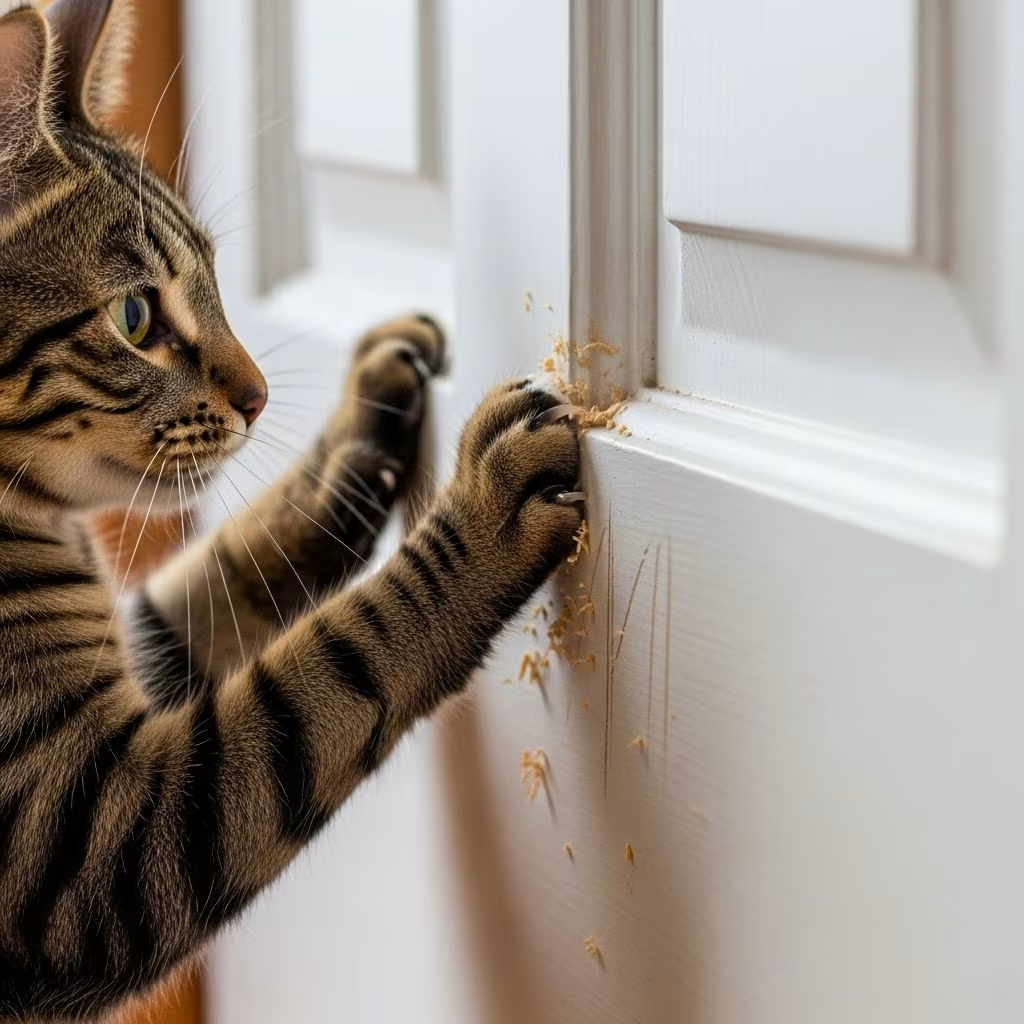
Cats scratch doors for natural reasons like marking territory, sharpening claws, or seeking attention. Understanding these behaviors helps implement effective solutions to protect your home while meeting your cat’s needs.
Why Do Cats Scratch Doors?
Cats scratch doors primarily to mark territory with scent glands in their paws, maintain claw health by shedding old nail layers, and communicate needs like wanting in or out. This instinctive behavior can damage doors but can be redirected with proper alternatives and training.
Door scratching often occurs near entry points because cats associate them with outdoor access or high-traffic areas where family gathers. Indoor cats may scratch more due to boredom or stress, signaling a need for enrichment.
How to Stop Your Cat from Scratching Doors
Stopping door scratching requires a multi-faceted approach: provide appealing alternatives, use deterrents, trim claws, and enrich your cat’s environment. Consistency and positive reinforcement are key to long-term success.
Provide Scratching Posts or Alternatives
Offer sturdy scratching posts made of sisal, cardboard, or carpet near the doors your cat targets. Place them in high-traffic areas where cats feel social, as they prefer resources near family members.
- Choose posts matching your cat’s preferred texture—rough sisal for vertical scratching mimics doors.
- Scent posts with catnip or rub them with a cloth from your cat’s cheeks to encourage use.
- Position multiple posts: one by each door and in preferred lounging spots.
Model the behavior by scratching the post yourself to create an enticing sound and visual cue. Reward with treats or praise when your cat uses it.
Use Deterrents on Doors
Make doors unappealing without harming your cat using safe deterrents. These interrupt the scratching habit while you train alternatives.
- Double-sided sticky tape: Cats dislike sticky sensations; apply products like Sticky Paws transparently on door areas.
- Aluminum foil or plastic covers: Crinkly textures deter most cats; drape or tape over lower door panels.
- Citrus sprays: Spray citrus-based repellents, as cats generally avoid these scents.
- Motion-activated air sprays: Devices hiss softly when motion is detected near doors.
Clean scratched areas with enzymatic cleaners to remove scent markers, preventing return visits.
Trim Your Cat’s Claws Regularly
Regular claw trims blunt sharp edges, reducing damage even if scratching continues. Aim for weekly trims on all four paws.
Accustom your cat to paw handling with gentle massages and treats. Use cat-specific clippers to snip just the sharp tip, avoiding the quick (pink inner part). If uncomfortable, consult a vet or groomer.
For extra protection, apply soft claw caps that last 4-6 weeks and come in fun colors. They cover claws like nail polish without restricting natural behaviors.
Increase Playtime and Enrichment
Bored or energetic cats scratch more. Provide daily 10-15 minute play sessions with toys like wand teasers or laser pointers to burn energy.
- Install cat trees, window perches, or catios for climbing and bird-watching.
- Offer puzzle feeders and interactive toys for mental stimulation.
- Maintain a routine to reduce stress-induced scratching.
Positive reinforcement works: ignore unwanted scratching, redirect to posts, and praise gentle play.
Use Pheromone Products
Synthetic pheromones like Feliway mimic facial marking scents, calming cats and deterring scratches on treated surfaces. Spray on doors or use diffusers in problem areas.
Consult a vet for underlying issues like anxiety before relying solely on products.
FAQ
Why is my cat suddenly scratching doors?
Sudden scratching may indicate stress, boredom, new pets, or unmet needs like litter access. Check for changes and enrich the environment.
Will declawing stop door scratching?
Declawing is inhumane and illegal in many places; it causes pain and behavioral issues. Use humane alternatives instead.
How long until my cat stops scratching doors?
With consistency, improvements appear in 1-4 weeks. Patience and multiple strategies yield best results.
Can outdoor access prevent door scratching?
Supervised outdoor time or catios may reduce it, but provide indoor posts regardless for claw maintenance.
What if deterrents don’t work?
Combine methods and rule out medical issues with a vet. Professional behaviorists help persistent cases.
Additional Tips for Success
Monitor progress and adjust strategies. A combination of posts, deterrents, trims, and play addresses root causes effectively.
| Method | Pros | Cons | Best For |
|---|---|---|---|
| Scratching Posts | Meets natural needs | Requires training | All cats |
| Sticky Tape | Immediate deterrent | Temporary | Quick fixes |
| Claw Trims | Reduces damage | Needs regularity | Maintenance |
| Pheromones | Calms anxiety | Costly | Stressed cats |
These methods, drawn from veterinary and behavior experts, protect doors humanely.
References
- Destructive Scratching — ASPCA. 2023-05-15. https://www.aspca.org/pet-care/cat-care/common-cat-behavior-issues/destructive-scratching
- How to Stop Cats From Scratching the Furniture — PetMD. 2024-08-20. https://www.petmd.com/cat/behavior/how-to-stop-cats-from-scratching-furniture
- Five Ways to Stop a Cat Biting and Scratching — Animal Friends. 2023-11-10. https://www.animalfriends.co.uk/cat/cat-advice/cat-training-and-behaviour/four-ways-to-stop-a-cat-biting-and-scratching/
- Destructive Scratching – Prevention and Solutions — PAWS. 2022-07-01. https://www.paws.org/resources/destructive-scratching/
- Top 10 Tips – How to Stop Your Cat Scratching the Furniture or Carpet — Rum River Veterinary Clinic. 2022-02-15. https://rumrivervet.com/wp-content/uploads/2022/02/HowToTrainCatToStopScratchingFurniture.pdf



