

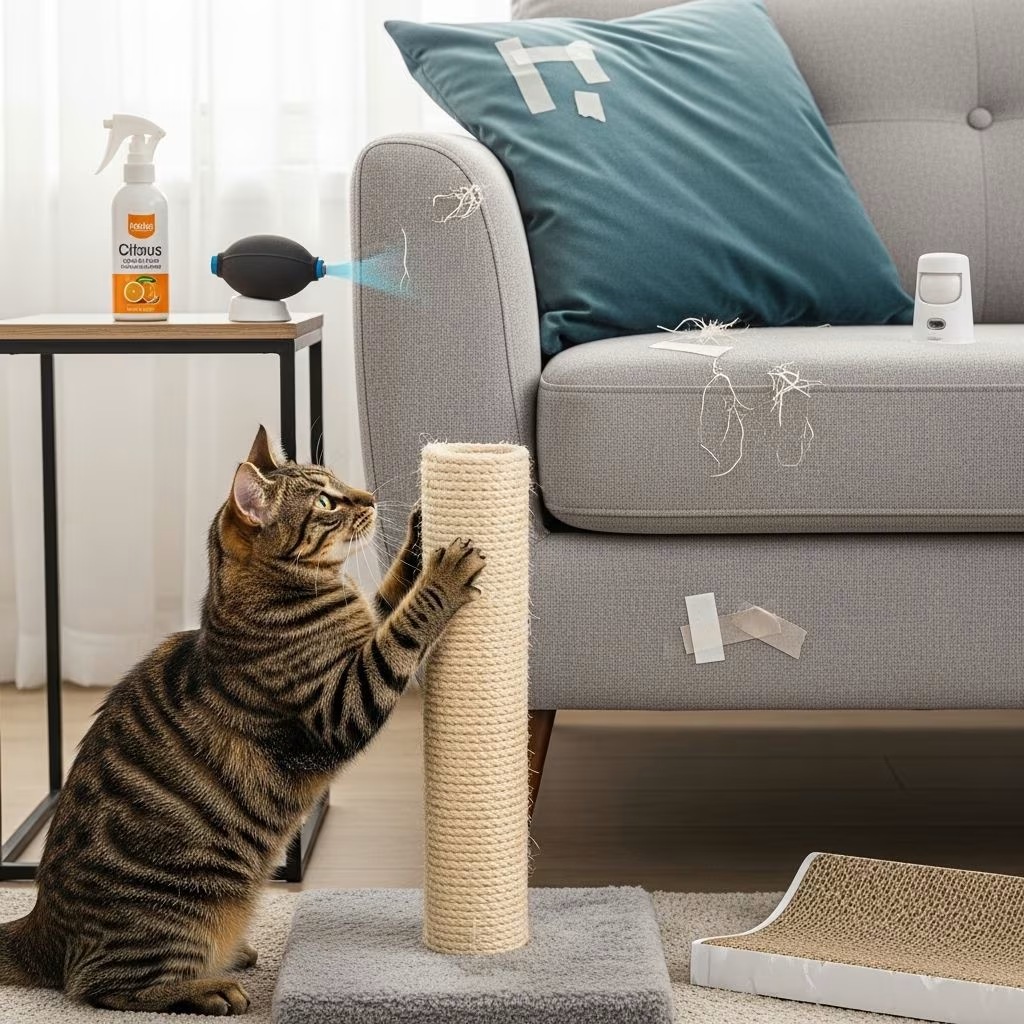
Cats scratch instinctively to maintain claw health, mark territory, stretch muscles, and relieve stress. While natural, scratching couches damages furniture. This guide outlines a step-by-step behavioural plan using positive reinforcement, environmental adjustments, and deterrents to redirect this behaviour effectively.
Why Do Cats Scratch Couches?
Cats scratch for multiple reasons rooted in their biology and environment. Primarily, scratching sheds the outer layers of their claws, keeping them sharp and healthy. It also allows cats to stretch their muscles after rest and mark territory by leaving scent glands from their paws on surfaces. When cats repeatedly target the same couch spot, it’s often because their scent is already there, reinforcing the habit. Boredom, stress, or attention-seeking can exacerbate unwanted scratching, as cats learn it prompts human interaction, like feeding. Indoor cats, lacking natural outlets, may direct these instincts toward furniture. Understanding these drivers is key to humane, effective solutions.
Step One: Keep Your Cat’s Nails Short
Regular nail trimming blunts sharp tips, minimizing damage from any scratching. Trim every 10-14 days, clipping only the translucent tip beyond the pink quick to avoid pain or bleeding. Use cat-specific clippers and reward with treats post-trim to build positive associations. Start young for kittens to habituate them; for adults, gentle restraint or distraction with toys helps. If uncomfortable trimming, consult a vet or groomer. Short nails reduce couch destruction while allowing natural scratching elsewhere.
Step Two: Give Them Constructive Alternatives
Observe your cat’s preferences: vertical vs. horizontal surfaces, carpet-like textures, sisal rope, or wood. Provide a variety of scratching posts, boards, and cat trees matching these. Sturdy, tall vertical posts suit wall-scratchers; flat pads appeal to horizontal scratchers. Place multiple options around the home. Experiment with materials until finding favourites—some cats prefer rough sisal, others soft carpet. Quality matters: cheap posts topple easily, discouraging use. Well-chosen alternatives satisfy instincts without furniture damage.
Step Three: Discourage Scratching
Protect problem areas with deterrents cats dislike: double-sided sticky tape, aluminium foil, plastic guards, or citrus/menthol repellent sprays. These create unpleasant textures, sounds, or smells without harm. Apply to couch sections temporarily while training. Cover furniture with slipcovers or anti-scratch shields. Consistency is crucial—remove only after behaviour shifts to posts. Combine with supervision; redirect immediately if caught scratching.
Step Four: Tire Your Cat Out
Boredom fuels destructive scratching. Schedule daily interactive play sessions mimicking hunting: wand toys, laser pointers, or puzzle feeders expend energy and reduce stress. Aim for 15-30 minutes twice daily, especially evenings. Enrich environment with climbing shelves, window perches, and toys. Regular play aligns with natural instincts, preventing couch attacks from pent-up energy. Studies show interactive play reduces unwanted behaviours more effectively than solo toys.
Step Five: Strategically Place Scratching Stations
Position posts near problem couches for convenience—cats choose easy targets. Place vertical posts beside armrests or horizontal pads in front. This interrupts unwanted scratching before it starts, reinforcing alternatives. Multiple stations in high-traffic areas prevent competition in multi-cat homes. Proximity leverages cats’ marking preferences, gradually shifting habits.
Step Six: Encourage Your Cat To Use Their Scratching Post
Positive reinforcement builds lasting habits. When catching appropriate scratching, immediately reward with treats, praise, play, or catnip. Use clicker training: click at scratching moment, follow with treat. Play at posts with toys to associate fun. Intermittent rewards (not every time) sustain behaviour long-term, like slot machines. Avoid punishment—it creates fear and worsens issues.
Positive Reinforcement
Cats repeat scratching if it gains attention, even negative. Ignore bad scratching; lavish rewards on good. This teaches couch scratching yields nothing, while posts bring benefits. Consistency from all household members prevents confusion.
Give Them What They Want
Tailor scratchers to preferences: note targeted textures (carpet, wood, rope) and orientations. Test varieties; cats won’t use mismatched posts. Vertical for stretchers, horizontal for diggers. Catnip or silver vine entices initial use.
Use Pheromones
Synthetic feline pheromones mimic facial rubbing scents, reducing urge to re-mark furniture. Studies show 74% success in curbing scratching. Spray posts twice daily initially, then maintain. Diffusers provide ongoing calm, especially for stress-related scratching.
Create New Positive Associations
Attract to posts with play: dangle toys nearby, reward claw contact. Progress to random reinforcements. This transforms posts into rewarding hubs.
Other Things to Keep in Mind
Prevent issues in kittens with early posts, variety, pheromones, and rewards. Multi-cat homes need ample stations to avoid conflicts. Monitor for medical issues like pain causing stress-scratching; vet check if sudden onset. Patience yields results—most cats adapt in weeks with consistency.
Frequently Asked Questions (FAQs)
Do plastic guards for couches stop cats from scratching?
Plastic guards deter like tape, useful during training. Combine with posts for best results.
Can I choose a fabric for my next couch that cats dislike?
No fabric fully deters if appealing; trim nails and train instead.
How to stop your cat from scratching your couch?
Place posts nearby, use deterrents, reward post use, and enrich play.
Why does my cat scratch walls or other surfaces?
Territory marking, claw maintenance; provide matching vertical posts.
Does play reduce scratching?
Yes, interactive sessions tire cats, mimicking hunt and cutting boredom.
References
- How to Stop Your Cat From Scratching Your Couch — Kinship. 2023. https://www.kinship.com/cat-behavior/how-to-stop-cat-from-scratching-couch
- Why Does My Cat Scratch the Wall? — Kinship. 2023. https://www.kinship.com/cat-behavior/why-does-my-cat-scratch-the-wall
- Having Kids In Your Home Will Make Your Cat Scratch More — Kinship. 2023. https://www.kinship.com/cat-behavior/why-cats-scratch-and-how-to-stop-news



