

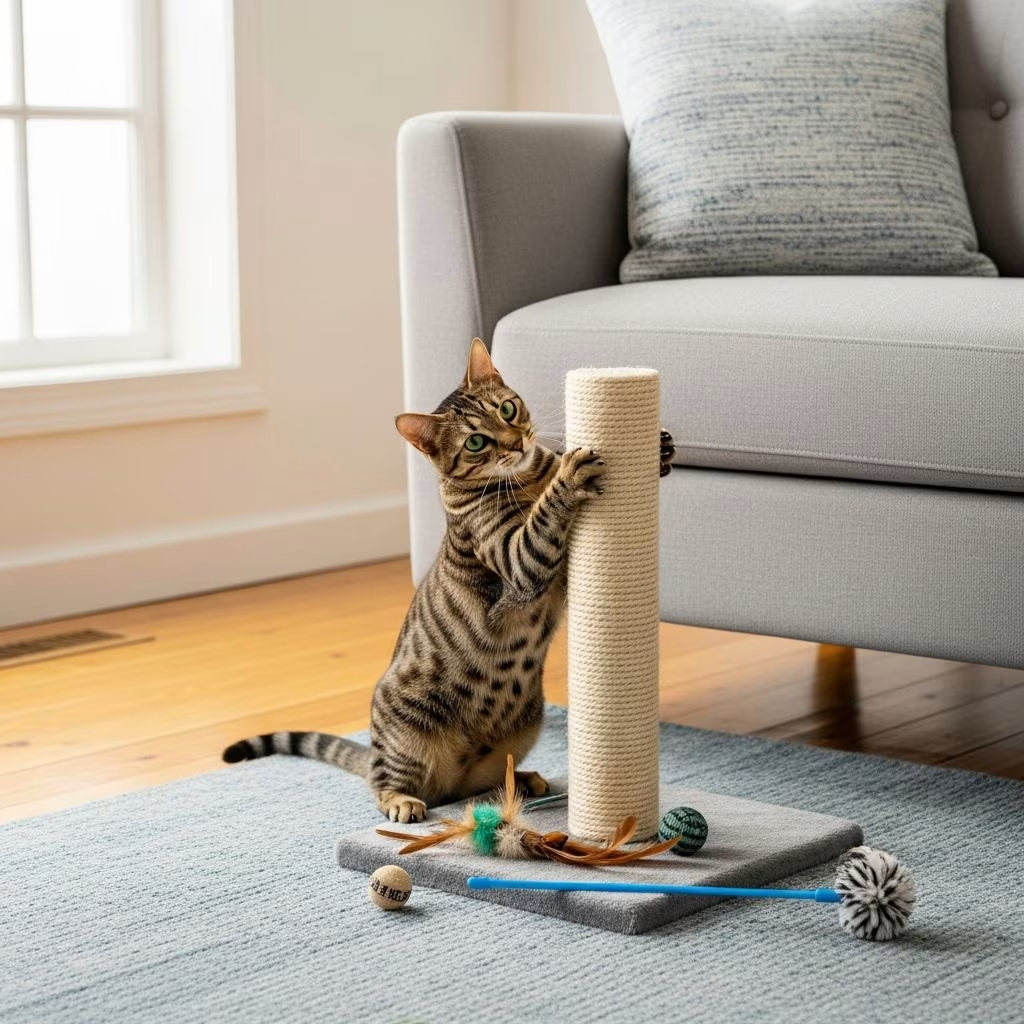
Cats scratch for essential reasons like marking territory, maintaining claw health, and stretching. While natural, scratching couches damages furniture and frustrates owners. This guide outlines six proven steps, positive reinforcement techniques, pheromone use, and prevention tips to redirect behavior effectively, preserving your home and cat’s well-being.
Step One: Keep Your Cat’s Nails Short
Regular nail trimming blunts sharp tips, minimizing damage from scratches on furniture. Perform trims every 10-14 days, clipping only the translucent tip beyond the pink quick to avoid pain or bleeding. Use cat-specific clippers and reward with treats or praise to build positive associations. Start young for kittens to acclimate them early. If uncomfortable, consult a vet or groomer for professional help. This simple maintenance reduces shredding impact significantly while supporting natural claw shedding.
Step Two: Give Them Constructive Alternatives
Provide diverse scratching options matching cat preferences: sisal rope posts, cardboard scratchers, carpeted boards, and wooden surfaces. Tall posts allow full-body stretches, mimicking trees for vertical scratchers; horizontal pads suit others. Place multiple options around the home. A study found owners providing sisal rope and flat surfaces reported fewer unwanted scratches, as enrichment redirects instincts. Experiment to find favorites, sprinkling catnip initially to attract use.
Step Three: Discourage Scratching
Protect furniture with deterrents cats dislike: double-sided sticky tape (like Sticky Paws), aluminum foil, plastic guards, or clear covers. These textures unsettle paws, discouraging repeated attempts. Apply to targeted spots. Repellent sprays with citrus or herbal scents also work for some cats. Combine with monitoring; remove when behavior improves to avoid permanent eyesores. Research supports restricting access to inappropriate items alongside attractants.
Step Four: Tire Your Cat Out
Boredom fuels destructive scratching. Counter with daily interactive play using wand toys, laser pointers, and puzzle feeders simulating hunts. Schedule 15-20 minute sessions twice daily, especially evenings, to expend energy and reduce stress. Enriched environments with cat trees, shelves, and toys meet climbing and pouncing needs. Studies link regular brief play with suitable toys to decreased scratching, aligning with natural behaviors. Outdoor access via enclosures further protects against indoor destruction.
Step Five: Strategically Place Scratching Stations
Position posts near problem furniture for convenience, intercepting urges before they hit couches. Cluster options in high-traffic areas cats frequent. Well-placed posts redirect behavior effectively, as proximity influences choices. Secure posts firmly to prevent tipping, which discourages use. Gradually move preferred stations once habits form.
Step Six: Encourage Your Cat To Use Their Scratching Post
Catch good scratching in action: reward immediately with treats, play, or affection to link posts with positivity. Use intermittent reinforcement later for sustained habits, like slot machines. Play at posts with toys; praise paw contact. Avoid forcing paws on surfaces, as it stresses cats. Positive reinforcement reduces unwanted scratching more than punishment.
Positive Reinforcement
Cats scratch couches for attention; responding reinforces it unwittingly. Instead, ignore bad scratches and amplify rewards for good ones. Veterinary behaviorist Dr. Quandt notes cats learn scratching speeds meals or interaction. Build new habits through consistent praise, preventing escalation.
Use Pheromones
Cats remarket scent-heavy spots repeatedly. Synthetic pheromones like Feliway mimic facial glands, satisfying urges without clawing. A study showed 74% success redirecting to treated posts. Spray furniture twice daily initially, then posts. Diffusers provide ongoing calm. Effective adjunct to behavioral plans, reducing relapse.
Create New Positive Associations
Play at posts with interactive toys; treat/praise on contact. Random rewards maintain engagement long-term. This fun association trumps furniture appeal, fostering voluntary use.
Positive Reinforcement, Not Punishment
Punishment like water sprays or yelling confuses cats, increasing stress, anxiety, and aggression. It damages bonds without teaching alternatives. Positive methods yield better, humane results. Owners using rewards reported less scratching versus punitive ones.
Other Things to Keep in Mind
Prevent from kittenhood: offer varied scratchers, pheromone-treat furniture, reward use. For multi-cat homes, provide ample resources per cat. Monitor health; pain or stress amplifies scratching. Patience takes weeks; consistency wins. Enrichment like sisal, cardboard, and outdoor access cuts issues.
Frequently Asked Questions
Do plastic guards for couches stop cats from scratching?
Yes, plastic guards deter like tape or foil during training, making surfaces unappealing until habits shift.
Can I choose a fabric for my next couch that cats dislike to prevent scratching?
No fabric fully deters if enjoyable; trim nails and follow behavioral steps instead.
Why does my cat scratch more with kids around?
Household stress increases scratching; counter with play and toys.
Is declawing an option?
No; it’s cruel and ineffective long-term. Enrichment works better.
| Deterrent Type | Pros | Cons |
|---|---|---|
| Sticky Tape | Effective, removable | Visible on fabric |
| Plastic Guards | Durable | Aesthetic impact |
| Foil | Cheap, noisy deterrent | Temporary |
| Sprays | Invisible | Varies by cat |
This table compares common deterrents for quick selection based on needs.
References
- How to Stop Your Cat From Scratching Your Couch — Kinship. 2023. https://www.kinship.com/cat-behavior/how-to-stop-cat-from-scratching-couch
- Unwanted Scratching Behavior in Cats: Influence of Management Factors and Owner Interventions — PMC (Peer-reviewed). 2022-10-12. https://pmc.ncbi.nlm.nih.gov/articles/PMC9559527/
- Having Kids In Your Home Will Make Your Cat Scratch More — Kinship. 2023. https://www.kinship.com/cat-behavior/why-cats-scratch-and-how-to-stop-news



