

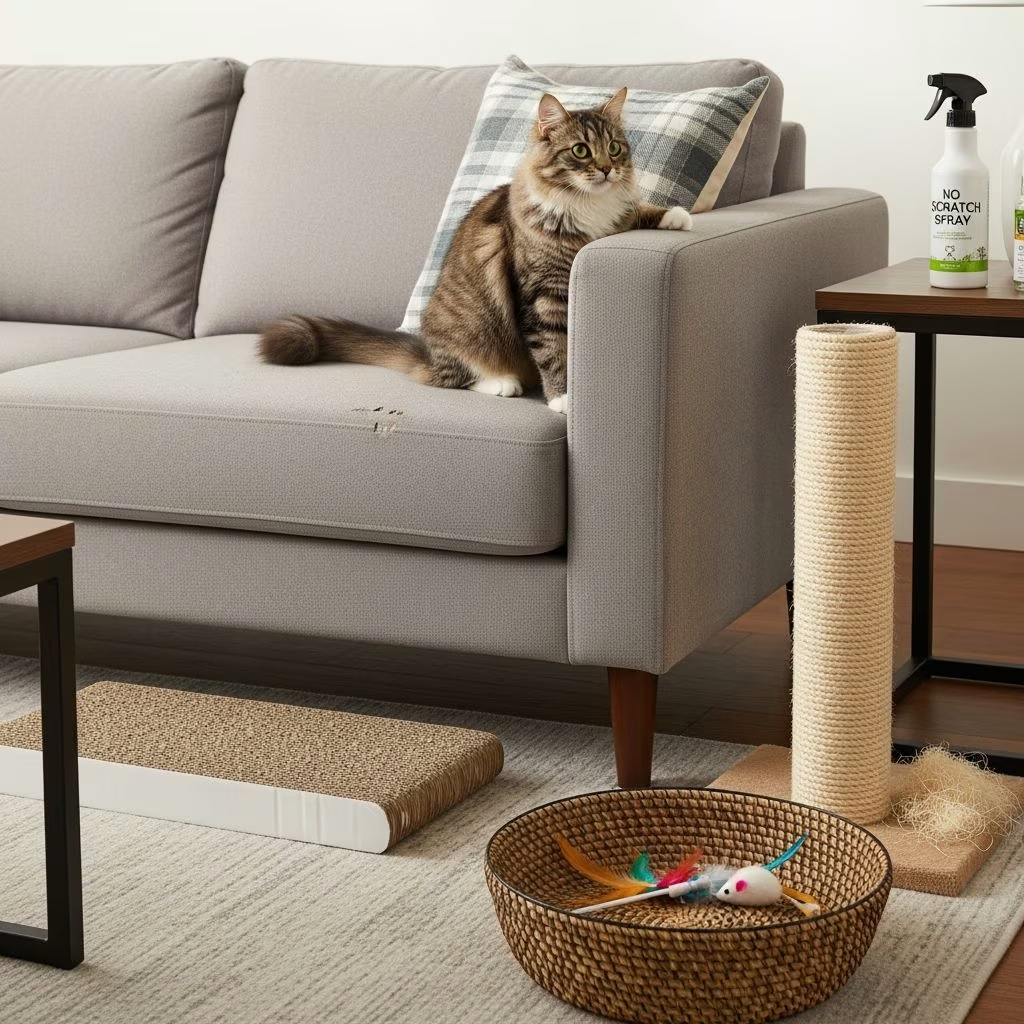
Cat scratching is a natural and essential behavior for felines, serving purposes like claw maintenance, territory marking, and stress relief. However, when directed at your couch or furniture, it can cause significant damage and frustration. Understanding why cats scratch—such as to shed old nail layers, communicate, or simply stretch—helps in addressing the issue effectively without punishment, which can increase stress and worsen behaviors. This comprehensive guide outlines six key steps, additional strategies like pheromones and positive reinforcement, prevention tips, and answers to common questions, drawing from veterinary insights and research showing up to 74% success rates with proper management.
Step One: Keep Your Cat’s Nails Short
Regular nail trimming is the foundational step to minimize damage from scratching. Cats’ nails grow continuously, and trimming every 10-14 days blunts the sharp tips without cutting into the quick, reducing harm to furniture even if scratching occurs. Use cat-specific nail clippers, hold your cat gently on your lap or a stable surface, and clip only the translucent tip beyond the pink quick—typically 1-2 mm. Reward with treats or praise immediately after to create positive associations. If your cat resists, start with paw handling sessions during calm times, gradually introducing the clippers. For multi-cat homes, trim one cat at a time to avoid stress. Research supports that shorter nails correlate with less reported furniture damage. Professional grooming is an option for anxious cats, but consistency at home builds trust.
Step Two: Give Them Constructive Alternatives
Providing appealing scratching options redirects natural instincts to appropriate outlets. Cats have preferences for textures like sisal rope, cardboard, carpet, or wood, so offer variety: tall posts for stretching, flat boards for horizontal scratching, and cat trees for multi-functionality. Place multiple options around the home to match accessibility. A sturdy, tall scratcher (at least 3 feet) allows full-body stretches, mimicking tree bark. Rub catnip or silvervine on new scratchers to entice investigation, but avoid forcing paws onto it, as this can induce stress and avoidance. Studies show providing enrichment like sisal rope significantly reduces unwanted scratching (p < 0.0001), with owners reporting fewer incidents when alternatives are available. Monitor usage and replace worn scratchers promptly to maintain appeal.
Step Three: Discourage Scratching
Protect problem areas with deterrents that exploit cats’ texture and scent dislikes. Cover couches with clear plastic guards, double-sided sticky tape (like Sticky Paws), aluminum foil, or large throws—these create unpleasant sensations without harm. Sprays with citrus or herbal repellents can also work, though efficacy varies. Apply these temporarily while training, removing once behavior shifts. Importantly, avoid punishment like yelling or water sprays, as they increase anxiety, leading to more destructive acts or redirected aggression. Positive punishment (corrections) is linked to higher scratching reports, while management strategies succeed. Combine with monitoring: interrupt gently by redirecting to a post without attention to the bad act.
Step Four: Tire Your Cat Out
Boredom fuels destructive scratching, so enrich daily life with play mimicking hunting. Schedule 15-20 minute sessions twice daily using interactive wands, laser pointers, or puzzle feeders to expend energy and satisfy instincts. Brief, regular play reduces stress-related scratching, especially in homes with children where activity spikes occur. Climbable cat trees and window perches provide mental stimulation. Outdoor access (enclosed or leashed) offers natural outlets, correlating with fewer indoor incidents. Tired cats are less likely to target furniture, as play aligns with their crepuscular (dawn/dusk) activity peaks.
Step Five: Strategically Place Scratching Stations
Convenience is key—position posts near high-traffic or problem zones like the couch, ensuring they’re stable and at eye level for easy access. Cats choose based on location; well-placed posts redirect behavior effectively. Secure posts to walls if needed for stability during vigorous scratches. In multi-room homes, distribute 1-2 per room, prioritizing scent-marked spots. Logistic models confirm proximity reduces unwanted scratching. Experiment with orientations: vertical for tall cats, horizontal for flatteners.
Step Six: Encourage Your Cat To Use Their Scratching Post
Positive reinforcement solidifies good habits. When spotting appropriate scratching, immediately reward with treats, play, or affection to link the post with positivity. Use intermittent rewards (not every time) for lasting behavior, like a slot machine effect. Play at the post with toys to build fun associations. Research shows rewarding post use decreases furniture targeting. Track progress: note dates of good scratches to monitor improvement.
Positive Reinforcement
Reinforcement trumps punishment. Cats learn scratching gets attention (even negative), like prompting meals, so ignore bad acts and amplify good ones. Verbal praise, pets, or clicker training works wonders. Avoid physical corrections, as they heighten stress. Owners using rewards report success.
Use Pheromones
Synthetic feline pheromones (e.g., Feliway Feliscratch) mimic scent glands, reducing the need to re-mark furniture. A study found 74% of cats redirected to treated posts. Spray posts twice daily initially, then as needed. Diffusers in problem rooms help. Effective adjunct to behavioral plans.
Create New Positive Associations
Pair posts with joy: play, catnip, treats during use. Intermittent reinforcement sustains interest. Avoid stress-inducing force.
Positive Reinforcement, Not Punishment
Punishment backfires, causing fear and more issues. Opt for redirection and rewards for a stronger human-cat bond.
Other Things to Keep in Mind
Prevent from kittenhood: offer varied scratchers, pheromones, rewards. Enrichment like outdoor access protects against issues. Trim nails routinely. For relapses, revisit steps.
Frequently Asked Questions
Do plastic guards for couches stop cats from scratching?
Yes, temporarily, like sticky tape, aiding training to posts.
Can I choose a fabric for my next couch that cats dislike to prevent scratching?
No fabric is foolproof if comfy; trim nails and train instead.
Additional FAQs:
- Will declawing stop scratching? No, it’s inhumane and leads to other issues; focus on alternatives.
- How long until results? 2-4 weeks with consistency.
- Multiple cats? Individual posts and training.
References
- How to Stop Your Cat From Scratching Your Couch — Kinship. 2023. https://www.kinship.com/cat-behavior/how-to-stop-cat-from-scratching-couch
- Unwanted Scratching Behavior in Cats: Influence of Management Strategies — PMC/NCBI (Peer-reviewed). 2022-10-11. https://pmc.ncbi.nlm.nih.gov/articles/PMC9559527/
- Having Kids In Your Home Will Make Your Cat Scratch More — Kinship. 2023. https://www.kinship.com/cat-behavior/why-cats-scratch-and-how-to-stop-news
- Top 10 Tips – How to Stop Your Cat Scratching the Furniture or Carpet — Rum River Veterinary. 2022-02. https://rumrivervet.com/wp-content/uploads/2022/02/HowToTrainCatToStopScratchingFurniture.pdf
- Stop Cat From Scratching Furniture With a Scratching Post — Humane World. N/A. https://www.humaneworld.org/en/resources/how-stop-cats-destructive-scratching



