

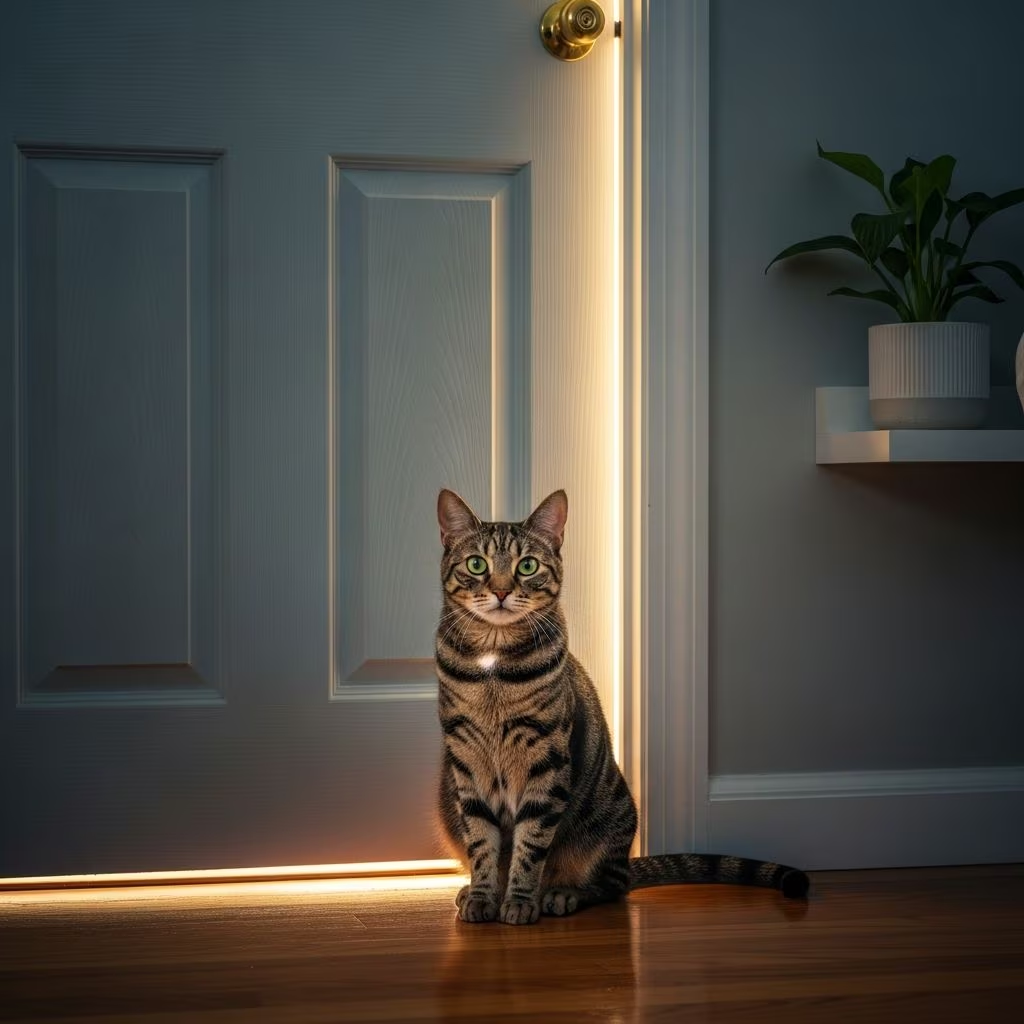
Your cat’s persistent meowing at your bedroom door each morning disrupts your sleep and leaves you frustrated. This common issue stems from natural feline instincts, but with targeted strategies, you can train your cat to stay quiet until you’re ready to rise. This article explores the root causes and provides five practical, vet-reviewed solutions to restore peace to your mornings.
Why Is My Cat Meowing at My Bedroom Door in the Morning?
Cats are crepuscular animals, most active at dawn and dusk, which explains their early wake-ups. When they meow insistently at your door, it’s a communication signal addressing unmet needs. Understanding these triggers is the first step to effective solutions.
1. Pent-Up Energy
Cats require daily physical and mental stimulation. Insufficient playtime leads to excess energy buildup, prompting vigorous meowing to rouse you for interaction. Indoor cats, without outdoor hunting opportunities, especially suffer from this, turning your door into their alarm clock. Research from the ASPCA notes that understimulated cats vocalize more to seek attention or play.
2. Boredom and Attention-Seeking
Boredom amplifies meowing as cats demand companionship. If evenings lack engagement, they wake ready for action, pawing and vocalizing until you respond. Preventive Vet emphasizes that ignoring this reinforces the behavior, as any reaction rewards it.
3. Hunger or Thirst
Hunger is a primary culprit. Cats’ small stomachs empty quickly overnight, triggering ‘food alarms’ at dawn. Thirst can contribute, particularly in dry environments. The ASPCA recommends scheduled feeding to break this cycle, preventing meows tied to breakfast demands.
4. Seeking Comfort or Coziness
Discomfort from cold floors or unsuitable bedding prompts door-meowing for access to your warm bed. In hot weather, overheating has the opposite effect. Providing appealing alternatives encourages cats to self-soothe without disturbing you.
5. Habit or Learned Behavior
If past meowing yielded results like food or pets, cats learn to repeat it. Inconsistency perpetuates the habit, making mornings a battleground until routines are firmly reset.
The 5 Ways to Stop Your Cat From Meowing at the Door in the Morning
Addressing the ‘why’ leads to tailored fixes. Implement these five strategies systematically for best results. Consistency over at least one week is key to retraining habits.
1. Make Time for More Activity During the Day
Boost evening exercise to tire your cat naturally. Dedicate 15-20 minutes before bed to interactive play using wand toys, laser pointers, or chase games. This mimics hunting, expending energy and promoting deeper sleep. Rotate activities to prevent boredom. ASPCA supports increased play to curb attention-seeking vocalizations. For multi-cat homes, separate play sessions avoid fights that spike energy.
- Use feather wands or balls for high-intensity chases.
- Aim for elevated heart rate and panting to confirm exertion.
- Follow play with a meal to replicate hunt-eat-sleep cycle.
2. Put Out New Toys Right Before Bed
Novelty combats boredom. Store half your cat’s toys away, rotating them every 2-3 days. Introduce puzzle feeders, treat balls, or crinkle tunnels pre-bedtime. Self-play options like battery-operated mice keep them occupied if they wake early. Preventive Vet recommends frequent swaps to reignite interest.
- Empty boxes or paper bags offer free, engaging alternatives.
- Place toys near their sleeping area, away from your door.
- Monitor for overstimulation; remove if play turns destructive.
3. Introduce a Padded Bed for Extra Comfort
Enhance sleep spots with orthopedic, heated, or cooling beds. Position near windows for bird-watching or sunny perches. In winter, heated pads (cat-safe, low-voltage) provide warmth; summer fans or cooling mats prevent overheating. This setup makes alternative spots more appealing than your bed.
| Season | Recommended Bedding | Benefits |
|---|---|---|
| Winter | Heated pad or cave bed | Warmth, joint support for seniors |
| Summer | Cooling gel mat, elevated cot | Temperature regulation, airflow |
| Year-round | Orthopedic memory foam | Comfort, durability |
4. Incorporate an Automatic Feeder
Schedule breakfast via programmable feeders dispensing portions at meow-time (e.g., 5 AM). This satisfies hunger independently, redirecting focus from your door. Start with small amounts to avoid overeating. ASPCA and Preventive Vet endorse this for food-motivated cats.
- Choose models with timers, portion control, and anti-jam tech.
- Gradually shift dispensing earlier if needed.
- Combine with water fountains for hydration.
5. Be Consistent
Uniform routines build reliability. Ignore meows completely—no talking, eye contact, or door-opening. Respond only at desired wake time. If ejection is necessary, do it neutrally without engagement. Track progress in a journal; adjust after 7-10 days if no improvement.
Additional Tips for Success
Beyond the core five, consider these enhancements:
- Ignore Extinction Burst: Meowing may intensify initially; stay firm.
- Environmental Enrichment: Cat trees, shelves, window perches reduce door fixation.
- Health Check: Rule out hyperthyroidism or pain via vet visit; early rising can signal issues.
- Melatonin Aids: Vet-approved supplements for severe cases, but not first-line.
For multi-cat households, separate resources prevent competition-fueled meows.
Frequently Asked Questions (FAQs)
Why does my cat only meow in the morning?
Crepuscular nature peaks activity at dawn; unmet needs like food or play amplify it.
How long until my cat stops meowing?
1-4 weeks with consistency; some adjust in days, others need months.
Is it okay to ignore my hungry cat?
Yes, if healthy; auto-feeders ensure welfare without rewarding vocalizing.
What if solutions don’t work?
Consult a feline behaviorist; medical eval first.
Will punishment help?
No; it increases stress and worsens behavior. Positive reinforcement only.
A Quick Recap
Morning door meowing signals energy, boredom, hunger, discomfort, or habit. Counter with daytime activity, novel toys, comfy beds, auto-feeders, and unwavering consistency. Patience yields quieter mornings, letting both you and your cat thrive. Implement one change weekly, monitoring for progress.
References
- How to Stop Your Cat From Meowing at the Door in the Morning — Catster. 2023. https://www.catster.com/lifestyle/how-to-stop-cat-from-meowing-at-door-in-morning/
- Meowing and Yowling — ASPCA. 2024-01-15. https://www.aspca.org/pet-care/cat-care/common-cat-behavior-issues/meowing-and-yowling
- How to Stop Your Cat From Waking You Up Early — Preventive Vet. 2024-05-20. https://www.preventivevet.com/cats/stop-cat-waking-up-early-in-the-morning



