

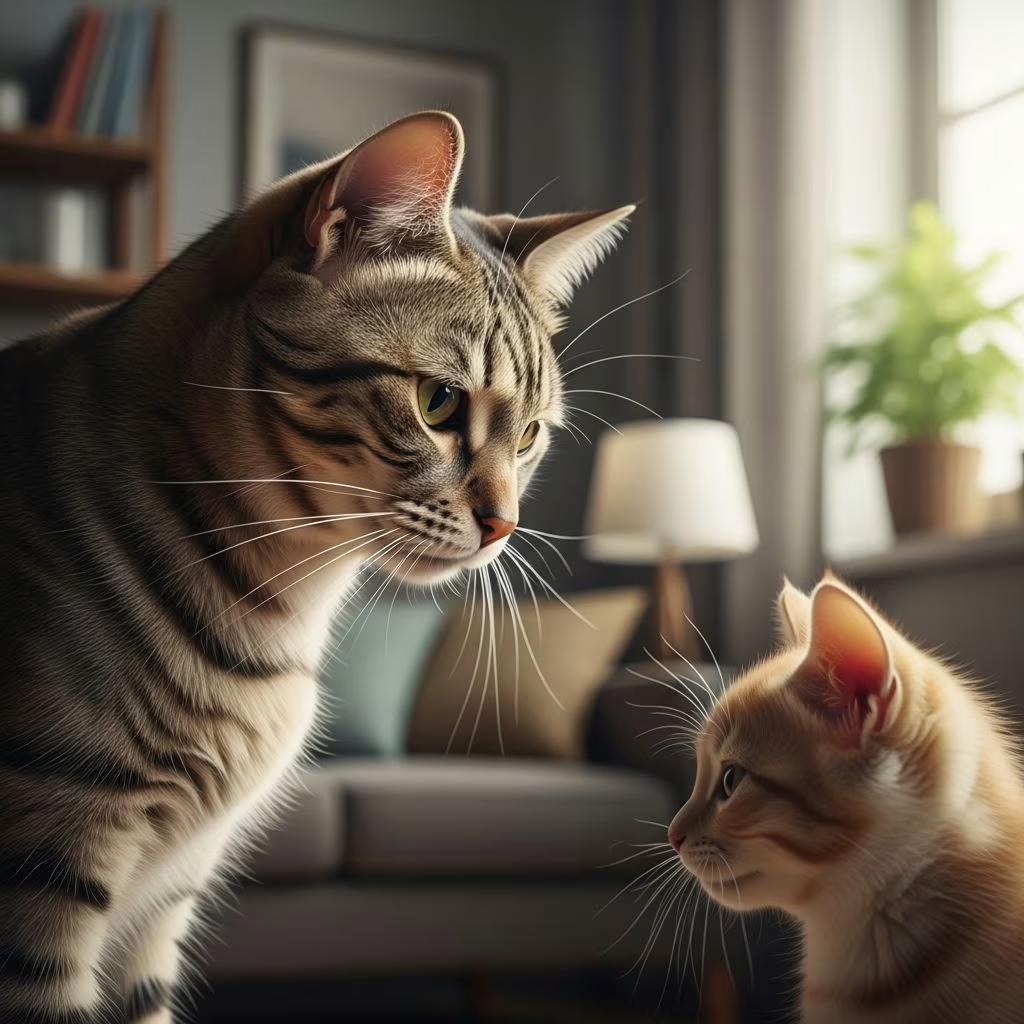
Cat bullying in multi-cat households is a common issue that disrupts harmony and stresses pets. One dominant cat may stalk, swat, or block resources from others, leading to tension or fights. Understanding the difference between play and true aggression is key to resolution.
This guide covers recognizing bullying signs, underlying causes, and proven strategies like resource provision, environmental enrichment, daily play, and careful reintroductions. Implementing these steps can restore peace effectively.
Understanding Cat Bullying: Play vs. Aggression
Cats naturally play roughly, but bullying crosses into aggression when one cat consistently dominates or harms another. Play involves mutual chasing, wrestling with breaks, and equal initiation without hissing or growling. Bullying features persistent pursuit, vocal threats, and one-sided control.
Dr. Kelly St. Denis, a board-certified feline veterinarian, notes that true play has minimal hissing, cats take turns, and activities balance out. Growling or one cat always starting signals fighting. Silent bullying signs include staring, resource blocking, or postural threats, often missed by owners.
Signs of Bullying in the Assertive Cat
- Never backs away from confrontations.
- Denies access to food, litter, or resting spots.
- Stares intently at the target cat.
- Rubs cheeks or tail on objects and people to mark territory.
- Lowers head while raising hindquarters when approaching.
- Emits low growls upon sighting the other cat.
Signs in the Bullied Cat
- Avoids shared spaces or hides frequently.
- Freezes or flees when approached.
- Shows stress like excessive grooming, appetite loss, or litter avoidance.
- Displays dilated pupils or flattened ears during encounters.
Early detection prevents escalation. Aggression types include fear-based, territorial, or redirected, often worsened by stress or poor resources.
Why Do Cats Bully Each Other?
Bullying stems from territorial instincts, resource competition, status hierarchies, or unmet needs. In multi-cat homes, limited food bowls, litter boxes, or perches force competition, favoring confident cats. Unneutered cats exhibit heightened aggression due to hormones.
Stressors like new pets, moves, or illness trigger redirected aggression. Cornell University experts highlight fear, pain, or overstimulation as culprits. Bullies assert dominance, while victims withdraw, perpetuating imbalance. Insufficient play outlets pent-up energy, turning it toward housemates.
Step-by-Step Guide to Stop Cat Bullying
Addressing bullying requires systematic changes. Start with veterinary checks to rule out medical issues, then optimize the environment and routines.
Step 1: Veterinary Check and Essentials
Schedule vet visits for all cats to exclude pain, hyperthyroidism, or infections mimicking aggression. Ensure neutering/spaying, as intact cats fight more. Trim nails short to minimize injury.
Provide individual essentials: one more litter box, food station, and water bowl than cats, in separate locations. This allows avoidance without deprivation, per Ohio State University guidelines.
Step 2: Environmental Enrichment
Enrich vertically—cats view space from floor to ceiling. Add high shelves, cat trees, window perches, and condos for lounging and escape.
Jackson Galaxy emphasizes multiple resources reduce ownership urges, mimicking wild colony sharing. Distribute beds, scratchers, and toys widely to cut competition.
| Resource Type | Minimum per Cat | Placement Tips |
|---|---|---|
| Litter Boxes | n+1 (n=cats) | Separate rooms, quiet areas |
| Food/Water | Individual + extras | Hidden from each other |
| Perches/Scratchers | 2-3 per cat | Vertical, multiple heights |
| Toys/Beds | Variety per cat | Scattered territories |
Step 3: Daily Play and Exercise
Play channels predator instincts, builds confidence, and drains energy. Certified consultant Marci Koski recommends 15+ minutes one-on-one daily per cat using wand toys mimicking prey.
Separate sessions prevent shyer cats from feeling preyed upon. Consistent timing signals routine, reducing frustration. Exercise curbs boredom-fueled bullying.
Step 4: Behavior Modification and Rewards
Interrupt aggression calmly—step between cats or use noise deterrents like hissing or air cans without touching. Never punish physically, as it heightens fear.
Reinforce positive behavior: reward the bullied cat with treats/pets post-incident, teaching bullies meanness yields no gain. Avoid favoritism; give equal attention.
Step 5: Gradual Reintroduction
For severe cases, separate cats, then reintroduce slowly. Feed on opposite sides of a door so good smells associate with food, not threat.
Progress to visual contact via baby gates, using play/treats for calm. Full reunions take weeks; patience prevents relapse. Pheromone diffusers like Feliway may aid calming.
Step 6: Manage Specific Aggression Types
Fear Aggression: Desensitize gradually—expose to triggers at distance, reward calm.
Petting-Induced: Limit uninvited touch; reward tolerance incrementally.
Play Aggression: Distract with toys; use bells on collars for warning.
Medications help severe cases alongside modifications, per vets.
Common Mistakes to Avoid
- Letting cats “fight it out”—worsens issues.
- Punishing physically—increases anxiety.
- Clustering resources—sparks competition.
- Ignoring medical checks—misses pain triggers.
- Showing favoritism—breeds jealousy.
Long-Term Success Tips
Maintain routines, monitor dynamics, and update resources as cats age. Multi-cat harmony thrives on equity and stimulation. If progress stalls, consult feline behaviorists.
Frequently Asked Questions (FAQs)
Is cat bullying the same as play?
No. Play is mutual and break-filled; bullying involves hissing, one-sided attacks, and stress signs.
How many litter boxes for two cats?
Three—one per cat plus one extra, separated to avoid guarding.
Can neutering stop bullying?
It reduces hormone-driven aggression but pair with environmental fixes.
What if reintroduction fails?
Seek vet or behaviorist; medications or permanent separation may be needed.
Do pheromones work for bullying?
They calm some cats, aiding alongside other strategies.
References
- How to stop cat bullying at home – Care.com Resources — Care.com. 2023. https://www.care.com/c/how-to-stop-cat-bullying/
- Feline Behavior Problems: Aggression | Cornell University College — Cornell University College of Veterinary Medicine. 2023-10-01. https://www.vet.cornell.edu/departments-centers-and-institutes/cornell-feline-health-center/health-information/feline-health-topics/feline-behavior-problems-aggression
- Is Your Cat a Bully? | Happy Cats Haven — Happy Cats Haven. 2022. https://happycatshaven.org/resource/is-your-cat-a-bully/
- Cat Bullying 101: What You Need To Know – YouTube — YouTube (Vet-approved tips). 2023. https://www.youtube.com/watch?v=wNtpl_qrxyA
- Aggression Between Cats in Your Household – ASPCA — ASPCA. 2023. https://www.aspca.org/pet-care/cat-care/common-cat-behavior-issues/aggression-between-cats-your-household



