

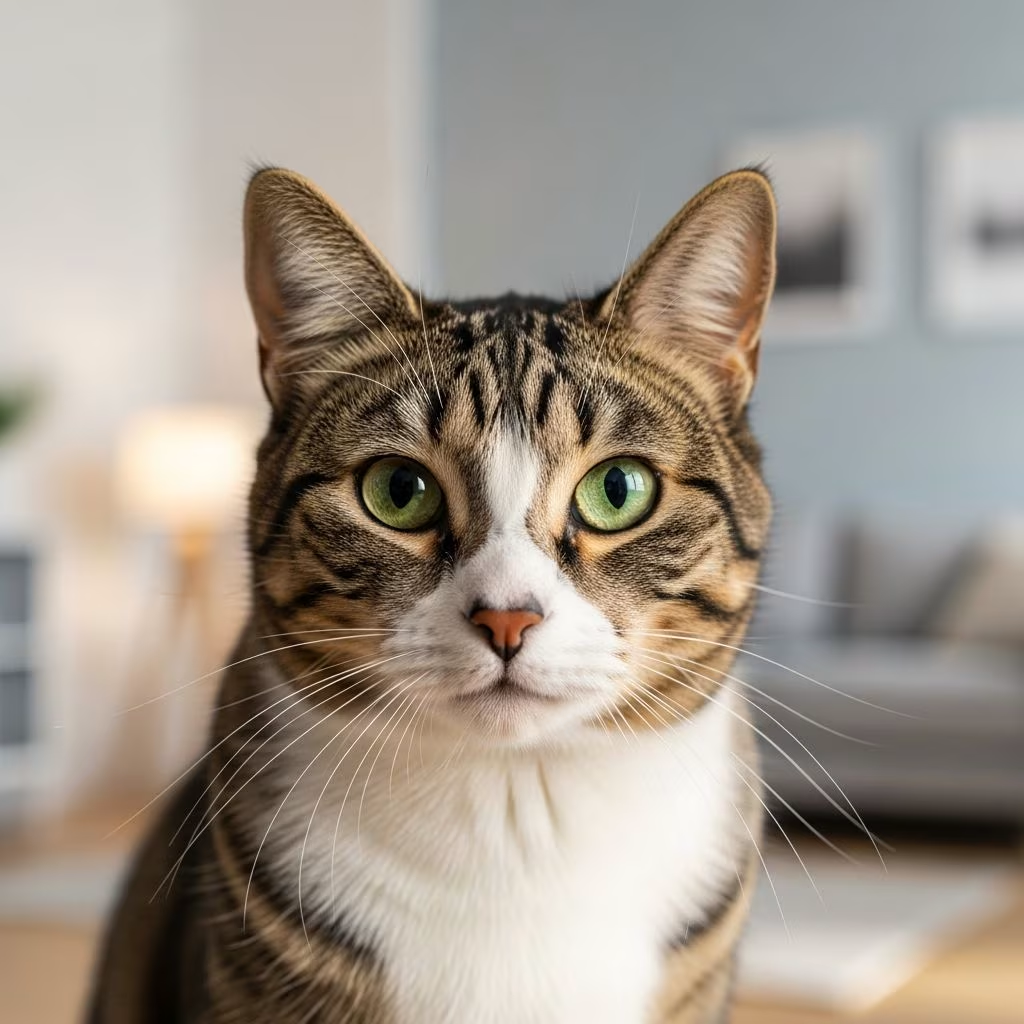
Cat suckling, also known as wool sucking or fabric nursing, is a behavior where adult cats knead and suck on soft materials like blankets, clothing, or toys. Rooted in kittenhood nursing instincts, it often provides comfort but can become problematic if excessive or leading to ingestion of materials.
This comprehensive guide covers the reasons behind suckling, breeds prone to it, potential health concerns, and step-by-step strategies to manage or stop the behavior humanely. Understanding this self-soothing habit helps cat owners respond effectively without causing stress.
What Is Cat Suckling?
Suckling mimics the nursing action kittens perform on their mother’s teats, combining rhythmic kneading (making biscuits) with sucking motions and purring. While kittens wean around 8-12 weeks, some cats retain this into adulthood, targeting fuzzy fabrics that resemble fur.
“When kittens are nursing, the act of suckling on their mother provides them not only with nutrition, but also comfort and security,” explains Dr. Sabrina Kong, DVM. In adults, it serves as emotional reassurance, similar to human thumb-sucking.
Why Do Cats Suckle?
Several factors contribute to persistent suckling:
- Self-soothing mechanism: The repetitive motion calms anxiety, akin to repetitive human habits like knitting.
- Early weaning: Kittens separated from mothers before 8 weeks may develop stress-related suckling as adults.
- Genetics: Oriental breeds like Siamese, Burmese, Tonkinese, and Balinese are predisposed.
- Stress or boredom: Environmental changes, lack of stimulation, or anxiety can trigger obsessive suckling.
- Comfort association: Soft textures evoke maternal warmth.
For most cats, suckling is benign and indicates contentment. However, monitor for escalation.
Why Do Cats Suckle on Blankets Specifically?
Blankets’ soft, fuzzy texture closely mimics a mother’s fur and teats, making them ideal for suckling. Cats may also target wool sweaters, pillows, or plush toys. This preference stems from tactile memory of nursing.
Oriental breeds show heightened affinity for wool due to genetic wool-sucking tendencies, sometimes persisting lifelong.
Breeds Prone to Suckling
Certain breeds exhibit suckling more frequently:
| Breed | Suckling Prevalence | Notes |
|---|---|---|
| Siamese | High | Oriental breed; genetic predisposition |
| Burmese | High | Common wool sucking |
| Tonkinese | High | Crossbreed; inherits trait |
| Balinese | High | Long-haired Siamese variant |
| Oriental Shorthair | Moderate-High | Similar genetics |
European and American breeds suckle less commonly. Mixed breeds with Oriental ancestry may also display it.
Is Suckling Normal or a Problem?
Suckling is typically harmless and a sign of a happy cat. Problems arise if:
- The cat ingests fabric (pica), risking intestinal blockages.
- It’s accompanied by stress signs: overgrooming, tail-chewing, hiding, appetite loss, or excessive sleeping.
- Sudden onset in adulthood suggests pain (e.g., dental issues) or anxiety.
Consult a vet if suckling leads to vomiting, weight loss, or behavioral changes. No direct organ diseases cause it, but behavioral disorders like anxiety do.
When to See a Vet for Suckling
Schedule a vet visit if:
- Suckling starts abruptly after years without it.
- Your cat swallows materials or shows GI upset.
- Combined with lethargy, poor appetite, or avoidance.
- Overgrooming or self-injury occurs.
Vets rule out medical issues first, then refer to behaviorists if needed.
How to Stop a Cat from Suckling: Effective Strategies
Never punish suckling—it increases stress and worsens behaviors. Focus on redirection and enrichment:
1. Provide Alternatives
Offer safe suckling items: a dedicated fuzzy blanket, plush toy, or lanolin-scented chew toy. Keep preferred fabrics inaccessible. Dry kibble, dental treats, or cat grass satisfy oral needs.
2. Redirect with Play
Initiate interactive play using feather wands or laser pointers when suckling starts. This channels energy and instincts. Rotate toys every 1-3 days for novelty.
3. Use Positive Reinforcement
Praise and treat when your cat ignores suckling targets or engages in play. Consistency builds new habits.
4. Reduce Stress
Employ Feliway diffusers, extra playtime, or puzzle feeders. Ensure vertical spaces, scratching posts, and routine. Consider a companion cat for social play.
5. Environmental Enrichment
Combat boredom with food puzzles, window perches, and foraging toys. Train tricks for mental engagement.
6. Cat-Proofing and Deterrents
Store fabrics out of reach; use booby traps like double-sided tape on surfaces. Confine unsupervised cats to safe rooms.
7. Professional Help
If persistent, consult a certified feline behaviorist. Medication may address severe anxiety.
Can You Train a Cat to Stop Suckling?
Yes, through consistent redirection and reinforcement. Many cats reduce suckling with age or enriched environments, though genetics may make it lifelong. Patience is key—some need designated suckle items.
FAQs
Is cat suckling a sign of weaning issues?
Yes, early weaning increases likelihood, as kittens miss comfort nursing.
Why do Siamese cats suckle wool?
Genetic trait common in Oriental breeds; wool’s texture triggers instinct.
Will my kitten outgrow suckling?
Most do post-weaning, but some continue if genetically predisposed.
Is suckling linked to pica?
Excessive suckling can lead to fabric ingestion (pica), causing blockages.
Should I ignore suckling?
If harmless, yes; redirect if destructive or stress-related.
References
- Why Cats Suckle, and How To Stop It — Chewy. 2023-05-15. https://www.chewy.com/education/cat/training-and-behavior/how-can-i-stop-cats-suckling-behavior
- Is Your Cat Suckling Blankets as an Adult? — PetMD. 2024-02-20. https://www.petmd.com/cat/behavior/why-do-cats-suckle-on-blankets
- Cat Behavior Problems – Chewing and Sucking — VCA Animal Hospitals. 2023-11-10. https://vcahospitals.com/know-your-pet/cat-behavior-problems—chewing-and-sucking



