

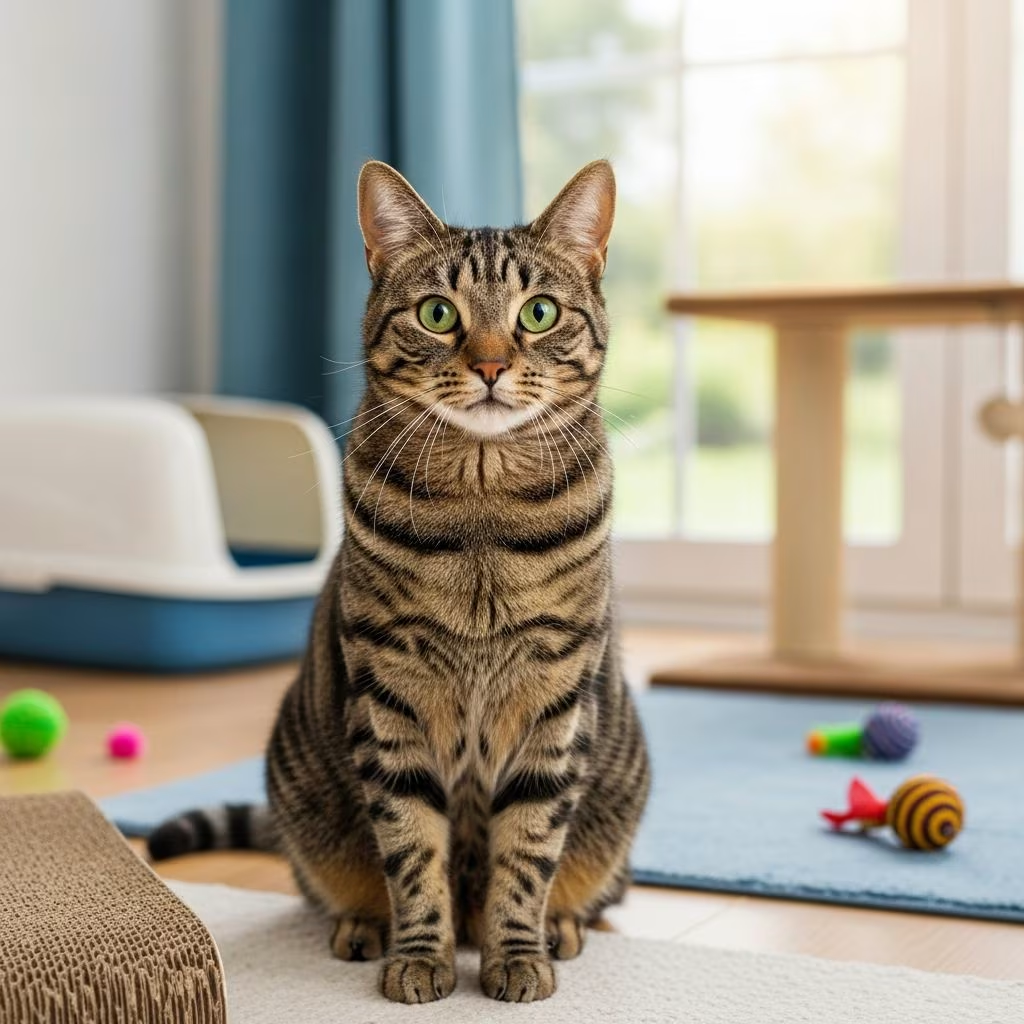
Cat spraying, a common territorial behavior where cats deposit small amounts of urine on vertical surfaces, can frustrate pet owners. Unlike regular urination, spraying involves a distinctive posture with a raised, quivering tail. Understanding the reasons—hormonal drives, stress, or medical issues—and implementing targeted solutions like neutering, environmental adjustments, and thorough cleaning can effectively stop this behavior in most cases.
Why Do Cats Spray?
Cats spray primarily to communicate territory, attract mates, or cope with stress. Unneutered males often begin around six months, driven by mating instincts to mark presence. Females may spray during heat cycles. Stress from household changes, new pets, or outdoor cats triggers spraying as a way to reclaim familiarity through scent. Medical conditions like urinary tract infections can mimic spraying, so rule these out first.
- Hormonal Influence: Intact cats spray to signal availability; neutering reduces this by 90% in most cases.
- Territorial Marking: Indoor cats seeing outdoor rivals spray near windows or doors.
- Stress and Anxiety: Moves, new family members, or multi-cat conflicts prompt spraying.
- Medical Causes: Painful conditions lead to posture changes resembling spraying.
How to Tell If Your Cat Is Spraying or Urinating
Distinguishing spraying from inappropriate urination is crucial for effective intervention. Spraying cats stand upright, back arched, tail raised and quivering, treading hind feet while releasing a mist-like urine volume on walls or furniture. Normal urination involves squatting with larger puddles on horizontal surfaces.
| Behavior | Spraying | Urinating |
|---|---|---|
| Posture | Standing, tail up, quivering | Squatting |
| Amount | Small amount or mist | Large puddle |
| Location | Vertical surfaces (walls, curtains) | Horizontal (floor, bed) |
| Smell | Strong, pungent | Typical urine odor |
Observe closely and note patterns; if unsure, consult a vet for urinalysis.
Steps to Stop Cat Spraying
Addressing spraying requires a multi-faceted approach: medical checks, sterilization, environmental tweaks, and behavioral aids. Consistency yields results within weeks.
1. Neuter or Spay Your Cat
The most effective first step: neutering eliminates 87-90% of spraying in males, spaying in females, by curbing hormones before habits form (ideally before 6 months). Post-procedure, spraying may persist briefly due to learned behavior, but diminishes rapidly.
2. Rule Out Medical Issues
Veterinary exams detect UTIs, bladder stones, or diabetes mimicking spraying. Early treatment prevents escalation. Keep a log of incidents for your vet.
3. Clean Sprayed Areas Thoroughly
Cats return to scented spots; use enzymatic cleaners to break down urine proteins, avoiding ammonia-based products that mimic urine. Methods include:
- Biological/enzymatic detergents.
- Surgical spirit via plant mister, then dry.
- Scatter dried cat food to deter returns.
4. Optimize Litter Boxes
Insufficient or unappealing boxes provoke spraying. Follow the rule: one box per cat plus one extra, in quiet, accessible spots away from food/noise. Experiment with unscented litters; avoid strong deodorants.
- Place a box where spraying occurs, gradually relocate.
- Use high-sided or L-shaped bins to contain sprays.
- Clean daily; scoop twice daily.
5. Reduce Stress and Enrich Environment
Minimize anxiety triggers with stable routines, playtime, and resources. Provide perches, toys, scratchers for each cat to avoid competition.
- Synthetic pheromones (Feliway diffusers) mimic calming scents.
- Separate feeding/resting areas in multi-cat homes.
- Interactive play daily reduces boredom.
6. Block Territorial Triggers
Outdoor cats provoke spraying; obstruct views and deter intruders.
- Close curtains/blinds, especially at night.
- Motion-activated sprinklers or citrus peels in yard.
- Secure cat flaps with collars/keys; supervise outdoor access.
- Remove attractants like bird feeders/garbage.
7. Make Sprayed Areas Unappealing
Temporarily deter with upside-down carpet runners, sticky contact paper, or citrus scents. Place food/toys over spots to redirect.
8. Consider Professional Help
If persistent, vets may prescribe anti-anxiety meds or refer behaviorists. Track progress in a log.
Tips for Multi-Cat Households
Conflicts amplify spraying; ensure equity:
- Unique resources: separate boxes, bowls, trees.
- Slow introductions for new cats.
- Pheromone diffusers per room.
- Monitor for bullying; separate if fights occur.
Common Mistakes to Avoid
- Punishing the Cat: Spraying water reinforces fear, worsening stress.
- Inadequate Cleaning: Lingering scents invite repeats.
- Ignoring Medical Checks: Treats symptoms, not causes.
- Too Few Litter Boxes: Breeds avoidance.
Frequently Asked Questions (FAQs)
Will neutering always stop spraying?
No, but it resolves 90% of cases; habituated cats may need additional strategies.
Why is my neutered cat spraying?
Stress, medical issues, or territory disputes; vet check first.
How many litter boxes do I need?
One per cat + one extra, spread out.
Can female cats spray?
Yes, especially unspayed or stressed.
Is cat spraying a health problem?
Often behavioral, but rule out UTIs/etc.
Long-Term Prevention
Maintain routines, enrich environments, and monitor health. Most cats stop spraying with these interventions, restoring peace. Patience and consistency are key; consult pros if needed.
References
- Why Cats Spray and How to Prevent It — Harlingen Veterinary Clinic. 2023. https://harlingenveterinaryclinic.com/blog/cat-spraying/
- Stop Cat Spraying in House — Best Friends Animal Society. 2023. https://bestfriends.org/pet-care-resources/why-my-cat-spraying-house-and-how-do-i-stop-it
- Why Cats Spray and How to Stop this Behavior — Carey Animal Hospital. 2023. https://careyanimalhospital.com/blog/cat-spraying/
- Cat Spraying: Why Cats Do It and How to Stop It — PetMD. 2025-01-10. https://www.petmd.com/cat/general-health/cat-spraying-why-cats-do-it-and-how-to-stop-it
- Stop your Cat Spraying or Soiling in the House — Blue Cross. 2023. https://www.bluecross.org.uk/advice/cat/behaviour-and-training/stop-your-cat-spraying-and-soiling-in-the-house



