

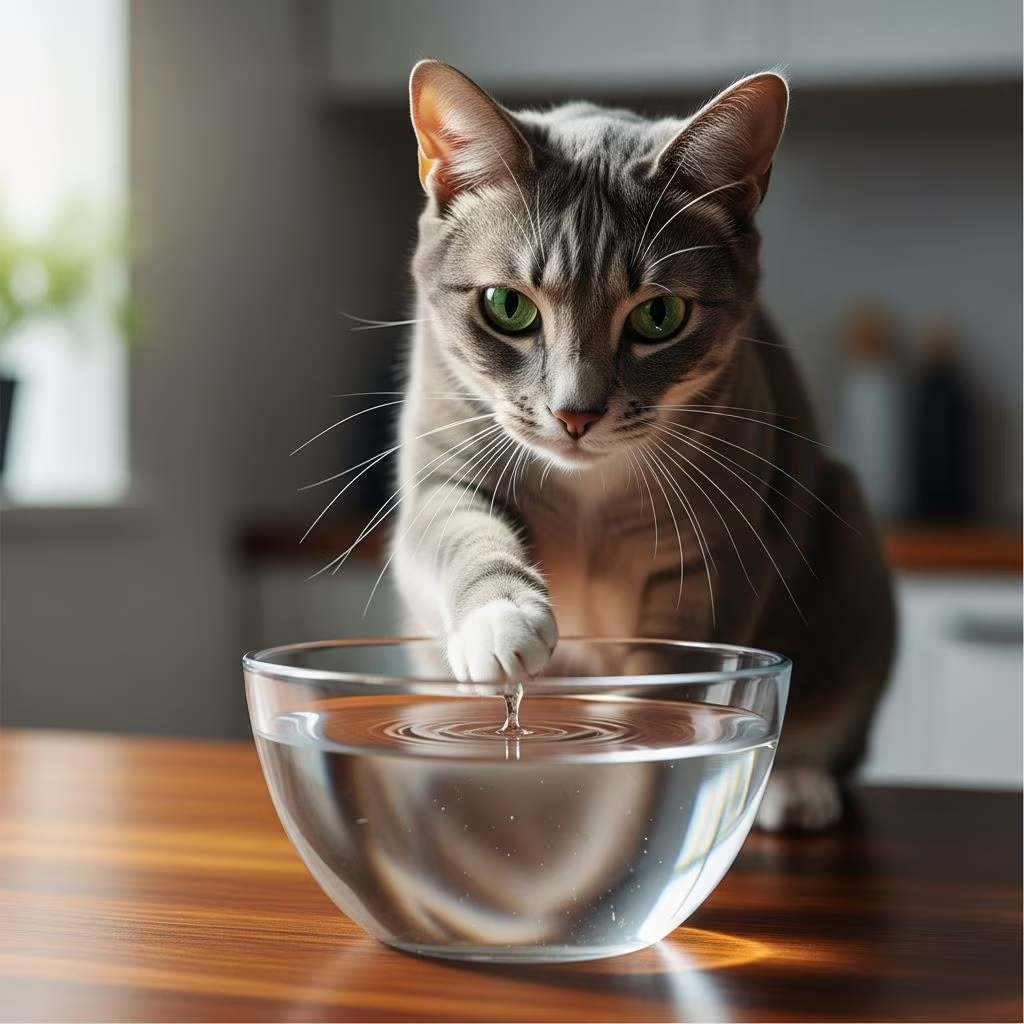
Cats often dip their paws into water bowls due to instinct, sensory preferences, or health issues, leading to spills and contamination. Understanding these behaviors allows you to implement simple changes like switching to wide bowls or fountains to promote proper drinking and maintain a clean environment.
Why Do Cats Put Their Paws in Their Water?
This quirky feline habit stems from a mix of natural instincts and environmental factors. In the wild, cats test water safety by pawing it first, sniffing or licking to check for contaminants or predators beneath the surface. Domestic cats retain this behavior, using their paws to gauge depth or quality, especially if water levels fluctuate inconsistently.
Sensory sensitivities play a major role too. Cats’ whiskers, packed with nerve endings, detect air currents and nearby objects, aiding navigation. Narrow or deep bowls cause whisker fatigue, where whiskers brush the sides during drinking, creating discomfort that prompts paw-dipping instead. Older cats may do this due to vision decline, as they are far-sighted and use paws to sense water depth when close-up details blur.
Mobility challenges in senior cats, such as arthritis, make bending to drink painful, so they stay seated and lap from damp paws. Boredom or playfulness turns water into entertainment, with paw-splashing providing stimulation, particularly in kittens. Stress from high-traffic bowl locations heightens vulnerability, as cats prefer drinking with a view of their surroundings. Poor bowl placement against walls exacerbates this, forcing backs to rooms and prompting paw use for quicker, safer sips.
Is It a Problem If My Cat Puts Their Paws in Their Water?
Occasional paw-dipping is harmless and instinctual, mimicking wild safety checks without health risks. However, frequent occurrences signal issues: contaminated water from dirty paws risks bacterial growth and illness; spills lead to slippery floors and wasted hydration. Chronic behavior may indicate whisker fatigue, stress, or underlying conditions like vision loss, arthritis, or diseases causing thirst changes (e.g., kidney disease, diabetes).
Monitor for red flags: sudden onset in seniors, excessive spilling, reduced intake, or paired symptoms like frantic looking. These warrant a vet visit to rule out medical causes, as early detection improves outcomes.
How Do I Stop My Cat from Putting Their Paws in Water?
Address root causes with targeted solutions. Start by evaluating the bowl: opt for wide, shallow designs to prevent whisker contact and allow easy paw-free access. Keep water levels consistent and full to avoid depth-testing. Elevate bowls to reduce bending strain, especially for arthritic cats.
- Multiple Stations: Place 2-3 bowls in quiet, low-traffic spots for choice and reduced stress.
- Fountains: Circulating water mimics streams, appealing to instincts and increasing intake without paw play.
- Cleanliness: Refresh water daily to prevent staleness that triggers testing.
- Enrichment: Combat boredom with toys, play sessions, and puzzles to redirect energy.
For persistent cases, observe patterns: relocate if near food or busy areas, as cats dislike mixing scents or feeling exposed. Temporary deterrents like bowl covers exist, but focus on positive changes for long-term success.
5 Tips to Get Your Cat to Drink More Water
Beyond stopping paw-dipping, boost hydration to prevent urinary issues common in cats.
- Cat Water Fountain: Flowing water entices drinking; studies (though small) show preference over still sources. Clean weekly.
- Wide, Shallow Bowls: Minimize whisker fatigue; ceramic or glass stays cool and clean.
- Multiple Locations: Quiet spots encourage frequent sips without competition.
- Flavor Boost: Add tuna water or broth sparingly to spark interest.
- Faucet Play: Supervised running water sessions satisfy curiosity safely.
| Tip | Why It Works | Implementation |
|---|---|---|
| Fountain | Mimics fresh streams | Electric, auto-circulating |
| Wide Bowls | Avoids whisker stress | Stainless steel, 8+ inches diameter |
| Multiple Bowls | Reduces stress | One per cat +1, spread out |
| Flavor Additives | Increases appeal | Diluted, low-sodium |
| Faucet Access | Interactive fun | Short sessions, safe tap |
Frequently Asked Questions
Why does my cat dip their paw in water before drinking?
Instinct to test safety and depth, whisker discomfort in narrow bowls, or playfulness.
Is paw-dipping a sign of health problems?
Often not, but in seniors, it may indicate vision loss or arthritis; consult vet for changes.
How can I prevent my cat from spilling water?
Use fountains, elevated wide bowls, and place in stable, quiet areas.
Do cats prefer running water?
Many do, as it feels fresher; small studies support this preference.
What if my cat still paws after changes?
Check for stress or medical issues; increase enrichment and vet exam.
Conclusion
Stopping paw-dipping involves practical tweaks like optimal bowls and fountains, paired with health monitoring. These steps enhance hydration, reduce messes, and respect your cat’s instincts for a happier home.
References
- 8 reasons cats dip their paws in water – BetterPet — BetterPet. 2023. https://www.betterpet.com/learn/why-cats-paw-at-water
- Why Does My Cat Dip Their Paw in Their Water Bowl? – Petlibro — Petlibro. 2023. https://petlibro.com/blogs/all/why-does-my-cat-dip-their-paw-in-their-water-bowl
- Why Does My CAT Drink Water With Their PAW? – YouTube — YouTube (AnimalWised). 2023-10-15. https://www.youtube.com/watch?v=kREPh51yHDU
- Why Does My Cat Spill His Water Everywhere Before Drinking? — Scary Mommy. 2023. https://www.scarymommy.com/lifestyle/why-do-cats-paw-at-water-splash-before-drinking
- Cat Putting Paws in Water Bowl: Understanding the Behavior — Uahpet. 2023. https://www.uahpet.com/blogs/post/cat-putting-paws-in-water-bowl-understanding-the-behavior



