

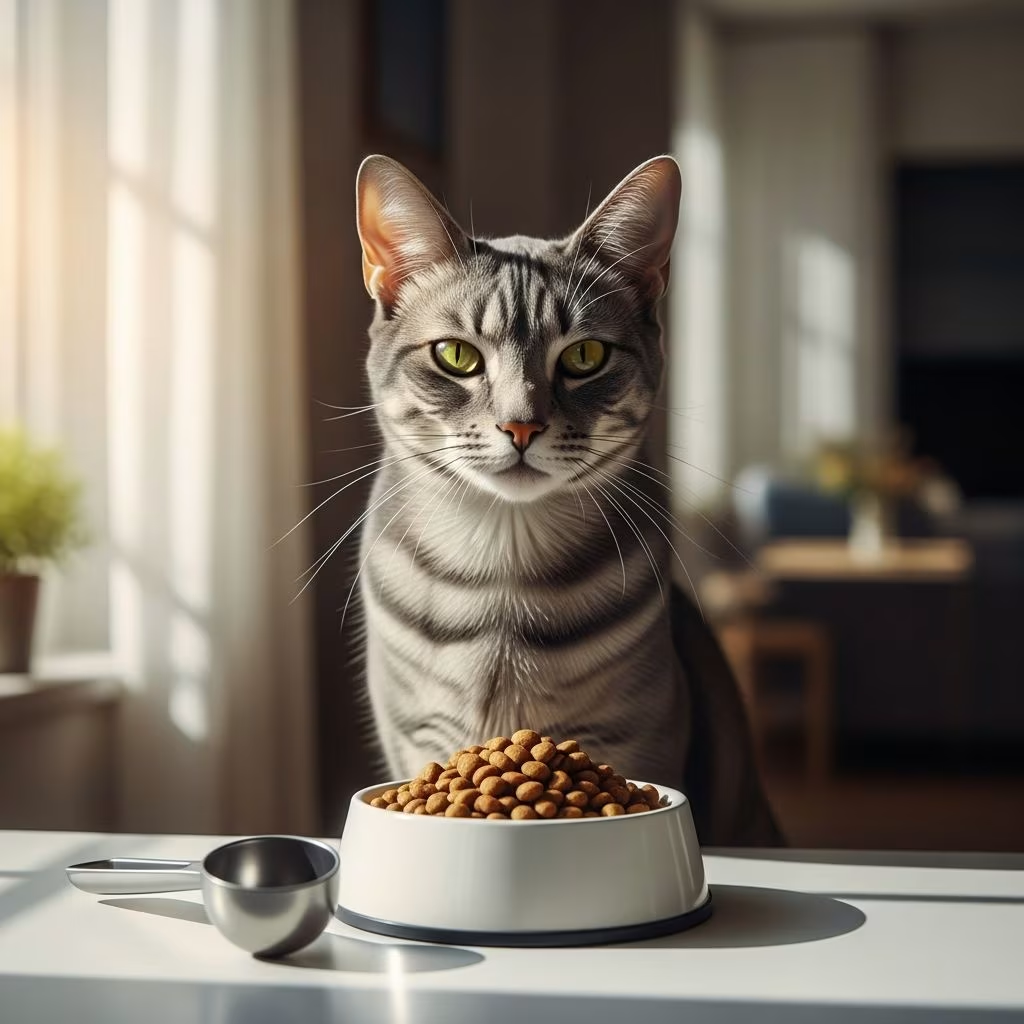
Cats often overeat due to free-feeding habits, leading to obesity, which affects over 60% of household cats and increases risks like diabetes and joint issues. Implementing portion control, scheduled meals, and interactive feeding can effectively manage this, promoting a healthier weight and longer lifespan.
Why Do Cats Overeat?
Cats are obligate carnivores evolved to hunt small prey multiple times a day, consuming 10-20 small meals naturally. Modern free-feeding with dry kibble disrupts this, causing overconsumption as cats lack self-regulation cues present in wild hunting. Indoor lifestyles reduce calorie needs further, exacerbating weight gain.
- Free-feeding practices: Unlimited access to food removes portion boundaries, leading to habitual overeating.
- Boredom and stress: Inactive cats beg for food as entertainment or comfort.
- Multi-cat households: Competition prompts rapid eating and stealing from others.
- Diet quality: Low-nutrient dry foods may drive increased intake to meet needs.
Obesity signs include difficulty jumping, distended abdomen, and lethargy; consult a vet to rule out medical issues like hyperthyroidism or parasites before dietary changes.
The Dangers of Cat Obesity
Obese cats face heightened risks of type 2 diabetes, hepatic lipidosis (fatty liver disease), arthritis, and urinary issues. Excess weight shortens lifespan by up to 2.8 years and complicates grooming, leading to skin infections. Early intervention via weight management restores mobility and vitality.
| Health Risk | Impact on Cats | Prevention Tip |
|---|---|---|
| Diabetes | Insulin resistance from fat buildup | Calorie-controlled diet |
| Joint Problems | Strain on hips and knees | Increase exercise |
| Fatty Liver | Fatal if untreated | Gradual weight loss |
| Heart Disease | Enlarged heart, reduced function | Regular vet checkups |
Consult Your Veterinarian First
Before altering diet, a vet assesses body condition score (ideal 4-5/9), calculates caloric needs (typically 20-30 kcal/lb ideal body weight daily), and screens for underlying conditions. They may recommend prescription weight-loss foods or monitor progress.
Vets emphasize gradual loss: 0.5-2% body weight weekly to avoid hepatic lipidosis. Track weight bi-weekly and adjust intake accordingly.
Implement Portion Control
Portion control is the cornerstone of preventing overeating. Weigh food precisely using a kitchen scale—dry kibble volumes mislead as densities vary. Divide daily allowance into 2-4 meals; for a 10-lb cat needing 200 kcal/day, that’s about 1/2 cup kibble total, split accordingly.
- Pre-measure 24-hour ration in a container to prevent accidental extras.
- Avoid mixing dry and wet foods initially; regulate one type first.
- Account for treats: limit to 10% of calories, using low-cal options like fish bits.
Transition gradually over 7-10 days to avoid refusal: mix 25% new amount with 75% old, increasing incrementally.
Switch to Scheduled Meals
Replace free-feeding with 3-6 small meals daily, mimicking natural hunting. This boosts satiety hormones, reduces begging, and prevents gulping. Use timers or auto-feeders for consistency.
Morning: Pre-measure full day; evening: small high-protein snack curbs midnight hunger. Remove uneaten food after 15-30 minutes to enforce schedule.
Use Puzzle Feeders and Slow Feeders
Puzzle feeders engage cats’ predatory instincts, slowing intake and burning calories. Start simple (e.g., balls with holes) progressing to complex mazes. They reduce regurgitation and overeating by extending mealtime 3-5x.
- Slow bowls: Raised barriers force deliberate bites.
- Licking mats: Silicone ridges for wet food prolong licking.
- DIY options: Muffin tins or toilet paper rolls stuffed with kibble.
In multi-cat homes, microchip feeders ensure each gets their share, minimizing competition.
Increase Exercise and Play
Aim for 15-30 minutes daily play using wand toys, lasers, or balls to burn 10-20 extra kcal/session. Elevate food bowls on cat trees for agile cats, adding climbing exercise.
Play when begging redirects energy; many cats accept affection over food post-activity.
Choose the Right Food
Opt for high-protein, low-carb formulas; wet food often has fewer calories per volume than dry and increases hydration. Therapeutic diets from vets satisfy big appetites with fiber for fullness. Avoid human foods; safe low-cal treats include steamed veggies post-vet approval.
Manage Multi-Cat Households
Feed separately: one cat per room, 15-30 min sessions, remove leftovers. Vertical feeding (counters for slimmer cats) prevents access. Monitor weights individually.
Dealing with Begging Behaviors
Begging stems from habit; ignore demands, offer water, pets, or play instead. Add 5-10 kibbles to empty bowls as distraction, but count toward total. Consistent response extinguishes behavior in 1-2 weeks.
Monitor Progress and Adjust
Weigh monthly; log intake/activity. If no loss in 4 weeks, reduce calories 10% or boost play. Annual vet visits track long-term success.
Frequently Asked Questions (FAQs)
Why is my cat always hungry?
Cats may beg from habit, poor diet, or medical issues; vet check first, then portion control.
How much should I feed my cat?
Depends on weight/age; e.g., 10-lb adult: 200-250 kcal/day, split into meals. Consult vet.
Can puzzle feeders help overweight cats?
Yes, they promote activity and slow eating, aiding weight loss.
Is wet food better for weight control?
Often yes—more filling, lower calorie density.
What if my cat won’t eat measured portions?
Gradual transition; add warm water or toppers for appeal.
References
- Cat Weight Loss Information | Start Healthy Weight Loss Today — Pet Obesity Prevention. 2023. https://www.petobesityprevention.org/weight-loss-cats
- How to Feed Your Cat So It Stops Begging and Starts Losing Weight — Companion Vets. 2024. https://companion-vets.com/cats/cat-feeding-guide-stop-begging-lose-weight/
- 5 Ways To Keep Your Cat At A Healthy Weight — Marina Village Vet. 2024. https://marinavillagevet.com/5-ways-to-keep-your-cat-at-a-healthy-weight/
- Obesity in Cats: Signs, Causes, and Treatment — PetMD. 2025-01-10. https://www.petmd.com/cat/conditions/digestive/c_ct_obesity
- Feeding a Cat Who is a Glutton — VCA Animal Hospitals. 2024. https://vcahospitals.com/know-your-pet/feline-gluttons
- How Can I Get My Cat to Slow Down When Eating? — Blue Lake Veterinary. 2024. https://bluelakeveterinary.com/how-can-i-get-my-cat-to-slow-down-when-eating/
- What to do when your cat won’t stop eating — Untamed. 2024. https://untamed.com/blogs/nutrition/cat-won-t-stop-eating



