

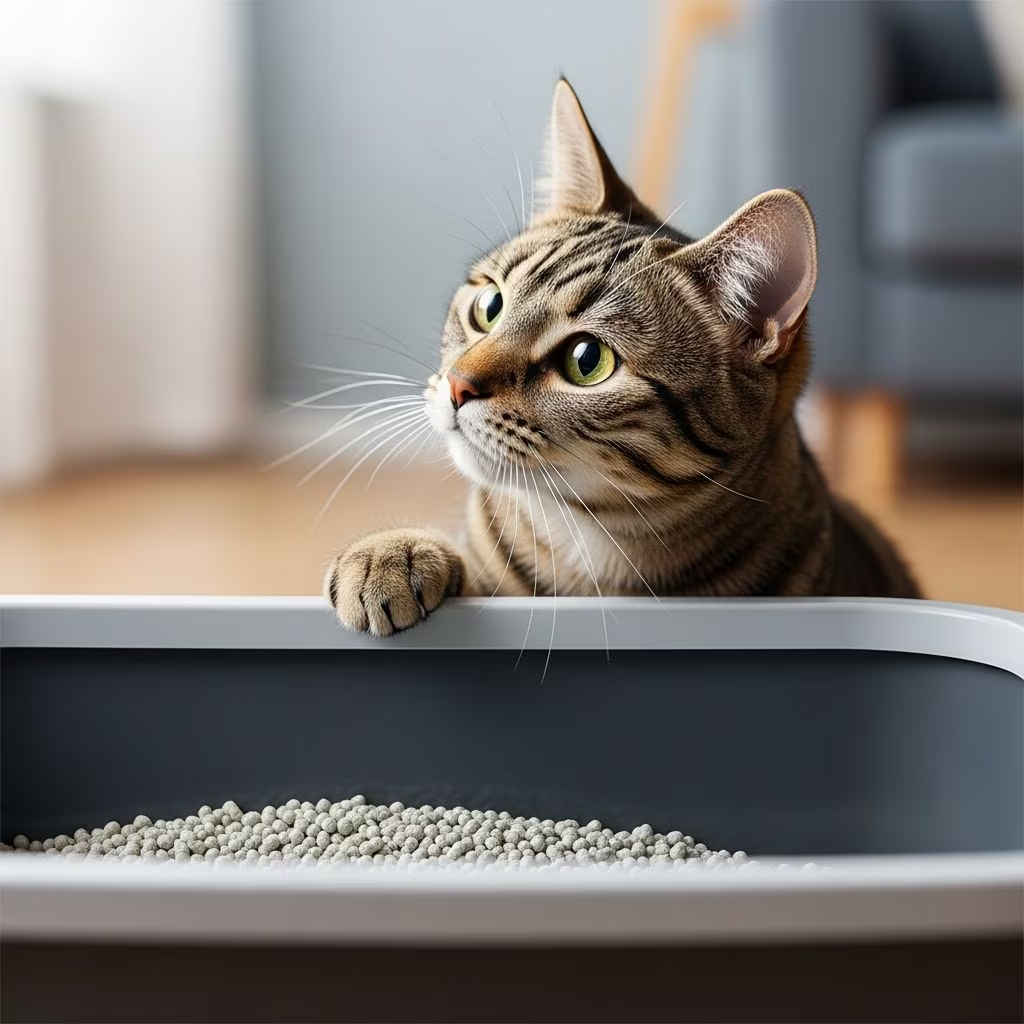
Seeing your cat eating litter can be alarming, as this behavior, known as pica, poses serious health risks like intestinal blockages and nutrient malabsorption. Understanding the underlying causes—ranging from nutritional deficiencies to stress—and implementing targeted solutions can help you stop it effectively.
Why Do Cats Eat Litter?
Cats may eat litter due to curiosity, nutritional gaps, medical conditions, stress, or environmental factors. This compulsive ingestion of non-food items signals an issue that requires prompt attention to prevent complications.
Curiosity in Kittens
Young kittens often explore their world orally, mistaking litter for food during play. This phase typically passes as they mature, but supervision is key to discourage it.
Nutritional Deficiencies
The most common cause is a lack of essential nutrients like iron, vitamins (A, B1, B6, B12), taurine, magnesium, or calcium. Clay litters contain minerals that attract deficient cats seeking to self-supplement, often linked to poor diet absorption or unbalanced food.
- Iron Deficiency (Anemia): Essential for hemoglobin; deficiency causes weakness and pica as cats crave mineral-rich litter.
- Vitamin Shortages: B vitamins support red blood cells and nerves; lacks lead to lethargy and odd cravings.
- Minerals like Calcium/Taurine: Critical for bones and heart; indoor cats turn to litter when diets fall short.
Medical Conditions
Underlying illnesses such as anemia, kidney disease, hyperthyroidism, diabetes, feline leukemia, or gastrointestinal disorders trigger pica by altering cravings or causing nausea. Cancer or chronic diseases can also prompt nutrient-seeking behaviors.
Stress and Anxiety
Environmental changes, boredom, or anxiety lead cats to self-soothe by eating litter. Sensitive felines may develop this as a coping mechanism.
Environmental and Behavioral Factors
Unappealing litter types (e.g., scented or clumping clay), dirty boxes, or lack of stimulation can encourage ingestion. Boredom reinforces obsessive habits.
Dangers of Cats Eating Litter
Litter consumption is hazardous, especially clumping varieties that expand in the gut, causing life-threatening blockages.
- Intestinal Blockages: Clumping litter absorbs moisture, hardens, and obstructs digestion, requiring surgery.
- Gastrointestinal Issues: Vomiting, diarrhea, constipation, or appetite loss from irritation.
- Weight Loss and Malnutrition: Interferes with nutrient uptake, exacerbating deficiencies.
- Respiratory Problems: Dust inhalation worsens asthma.
- Toxicity: Some litters harbor contaminants like aflatoxins.
How to Stop Your Cat from Eating Litter
Address the root cause through veterinary evaluation, diet tweaks, and environmental changes. Consistency is crucial for breaking the habit.
Step 1: Consult a Veterinarian
Rule out medical issues with blood tests for anemia, deficiencies, or diseases. Vets may recommend supplements or diet changes.
Step 2: Improve Nutrition
Switch to high-quality, balanced food rich in AAFCO-approved nutrients. Avoid carb-heavy kibble causing empty calories and GI upset.
- Wet food for hydration and taurine.
- Raw or species-appropriate diets for optimal absorption.
- Supplements only under vet guidance.
Step 3: Switch to Safe Litter
Opt for non-clumping, non-toxic options like tofu, corn, or paper pellets. These are digestible if ingested and dust-free.
| Litter Type | Pros | Cons | Safe for Ingestion? |
|---|---|---|---|
| Clay (Clumping) | Odor control | Blockage risk | No |
| Tofu/Pea | Digestible, flushable | Costlier | Yes |
| Paper/Sawdust | Dust-free | Less clumping | Yes |
Step 4: Reduce Stress and Enrich Environment
Provide toys, scratching posts, and playtime. Use pheromone diffusers for anxiety. Maintain a clean, accessible litter box (1 per cat +1).
Step 5: Behavioral Training
Interrupt eating gently, redirect to toys, and reward good behavior. Never punish, as it increases stress.
When to See a Vet Urgently
Seek immediate care if you notice vomiting, lethargy, weight loss, or persistent eating. Early intervention prevents emergencies.
Prevention Tips
- Feed balanced, vet-approved diets regularly.
- Clean litter boxes daily.
- Monitor for stress triggers like new pets.
- Provide mental stimulation daily.
Frequently Asked Questions (FAQs)
Why is my cat eating litter?
Cats eat litter due to pica from nutritional deficiencies (e.g., anemia, vitamin lacks), medical issues (kidney disease, diabetes), stress, or curiosity.
What if my kitten eats litter?
Kittens explore orally; supervise, use non-toxic litter, and they usually outgrow it. Monitor to prevent habit formation.
Is litter eating always serious?
Occasional tasting may not be, but persistent behavior signals health problems needing vet evaluation.
Can diet alone fix it?
Diet helps deficiencies, but rule out diseases first. Combine with litter changes and enrichment.
What litter is safest?
Non-clumping, plant-based like tofu or paper to minimize risks if ingested.
References
- Why is your cat eating litter, and how to stop them? — Untamed. 2023. https://untamed.com/blogs/cat-care/cat-eating-litter
- Why Your Cat Is Eating Litter and How to Stop It — PetCareRx. 2023. https://www.petcarerx.com/article/why-your-cat-is-eating-litter-and-how-to-stop-it/6954
- Why Does My Cat Eat Litter? Causes & Solutions — MichuPet. 2023. https://michupet.com/blogs/pet-care/why-does-my-cat-eat-litter
- Why is My Cat Eating Litter? — Pewaukee Veterinary Service. 2023. https://pewaukeeveterinaryservice.com/blog/why-is-my-cat-eating-litter/
- Vet-2025 Guide: Why Is My Cat Eating Litter? — AskAVet. 2025. https://askavet.com/blogs/news/vet-2025-guide-why-is-my-cat-eating-litter-vet-led-insights-on-pica-health-redirection-%F0%9F%90%B1%F0%9F%92%A1



