

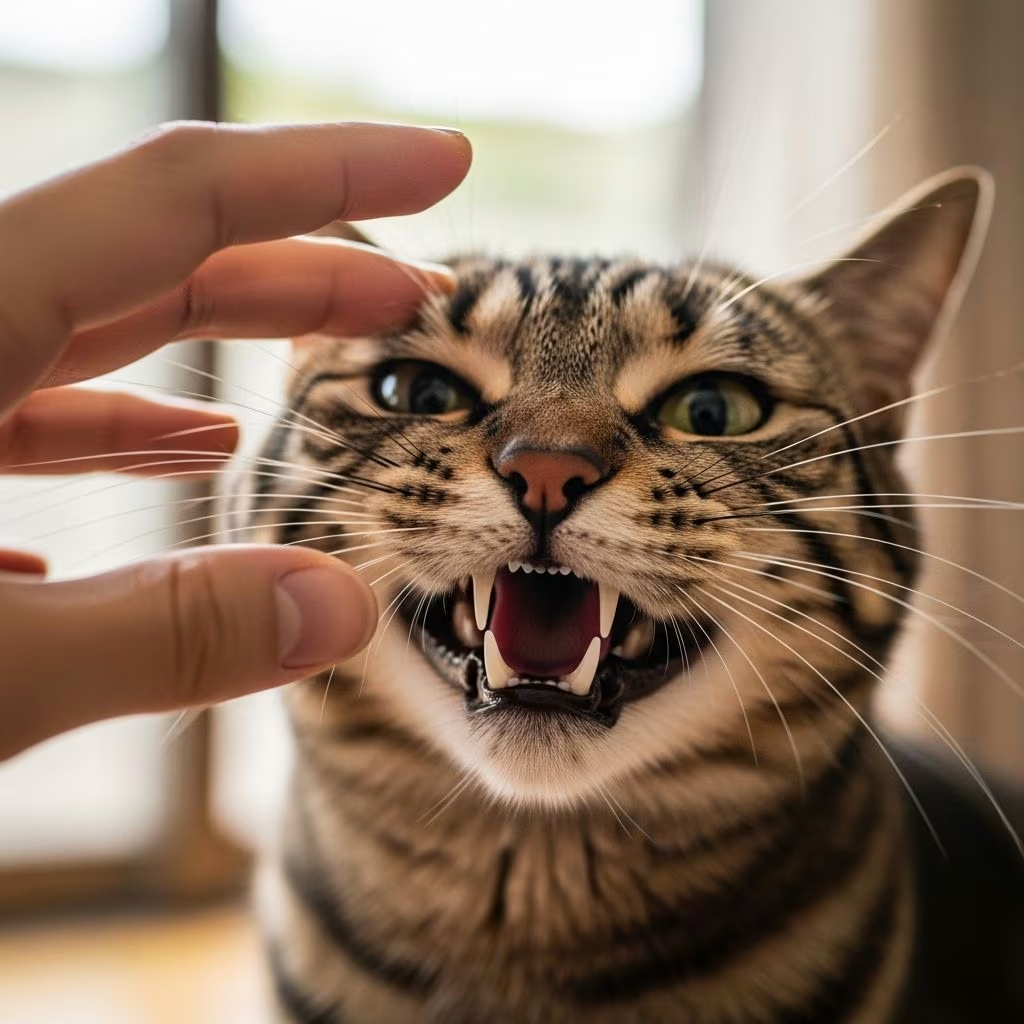
Cat biting is a common issue that frustrates many pet owners, but it’s often rooted in natural instincts like play, hunting, or communication. Understanding the reasons behind your cat’s bites—whether from a playful kitten or an adult cat—allows you to address them effectively with positive, humane techniques. This guide covers why cats bite, immediate responses, training methods, environmental adjustments, and professional help to create a harmonious home.
Why Do Cats Bite?
Cats bite for various reasons, including play, overstimulation, fear, attention-seeking, or medical issues. Kittens frequently bite during teething or exploratory play, using their sharp teeth to mimic hunting. Adult cats may bite due to rough play escalation, petting-induced overstimulation (known as ‘petting aggression’), or stress from lack of socialization.
- Playful Biting: Kittens and young cats pounce and bite to practice hunting skills, often targeting hands or feet mistaken for prey.
- Overstimulation: Excessive petting can lead to sudden bites when a cat’s tolerance threshold is reached; watch for tail twitching or ear flattening.
- Fear or Defensive Biting: Unsocialized cats bite when scared or cornered, signaling a need for space.
- Attention-Seeking: Biting communicates demands for food, play, or affection when gentler cues like meowing are ignored.
- Medical Causes: Pain from dental issues, arthritis, or illness can trigger uncharacteristic aggression; a vet check is essential.
Recognizing these triggers is the first step. For instance, during play, cats rehearse stalking, chasing, and capturing, which feels rewarding but inappropriate on human skin.
Immediate Responses to Cat Biting
When your cat bites, react calmly to avoid reinforcing the behavior. Yelling, hitting, or using spray bottles increases fear and aggression, worsening the problem.
- Say ‘No’ and Disengage: Firmly say ‘no’ in a calm voice, then immediately stop interaction and walk away for 30-60 seconds. This teaches that biting ends fun.
- Never Use Hands as Toys: Redirect to toys instantly; hands should never be play objects to prevent associating skin with prey.
- Stay Calm: Avoid physical retaliation, as it justifies biting in your cat’s mind. Instead, freeze and let them self-regulate.
Consistency across household members is crucial—mixed signals confuse cats. If everyone disengages uniformly, learning happens faster.
Training Techniques: Positive Reinforcement and Redirection
Positive reinforcement builds desired behaviors by rewarding non-biting interactions, far superior to punishment.
Positive Reinforcement
Reward gentle play with treats, praise, or petting. When your cat uses toys instead of you, offer a high-value treat immediately. Over time, increase petting duration paired with treats to build tolerance.
- Praise verbal cues like ‘gentle’ during calm interactions.
- Use clicker training: Click for good behavior, follow with a treat.
Redirection to Toys
Stock up on interactive toys mimicking prey: wand toys, laser pointers, balls, and chew toys for teething kittens. Always let them ‘catch’ the toy to complete the hunt cycle, rewarding with praise.
| Toy Type | Best For | Examples |
|---|---|---|
| Wand/Feather Toys | Stalking/Chasing | Da Bird, fishing pole toys |
| Balls/Mice | Pouncing/Batting | Ping-pong balls, catnip mice |
| Chew Toys | Teething/Stress Relief | Soft rubber toys, frozen wet washcloths |
Play sessions twice daily, 10-15 minutes each, tire them out and reduce energy-driven bites.
Socialization and Playmates
Socialization prevents fear-based biting by exposing cats to stimuli early (ideally 2-7 weeks, but beneficial anytime).
- Playdates: Pair with other vaccinated kittens for supervised play; they teach bite inhibition naturally through reciprocal feedback.
- New Experiences: Gradually introduce people, sounds, and environments with rewards for calm behavior.
- Multi-Cat Homes: Adopting a companion provides constant socialization, reducing human-targeted play aggression.
Without littermates, humans must model boundaries: yelp loudly like a kitten would during rough play, then redirect.
Environmental and Routine Adjustments
Optimize your home to minimize triggers and meet needs.
- Ample Playtime: Schedule 20-30 minutes daily to simulate hunting and prevent pent-up energy.
- Enrichment: Provide scratching posts, window perches, and puzzle feeders for mental stimulation.
- Petting Guidelines: Limit sessions to 2-3 minutes, pet preferred areas (cheeks, chin), stop at early overstim signs.
- Safe Spaces: Offer hiding spots like cat trees for retreat during stress.
For teething kittens (3-6 months), offer chilled toys to soothe gums; this phase passes with patience.
Consistency, Patience, and Boundaries
Training takes weeks; track progress in a journal. All family members must enforce rules identically.
- Set Boundaries: No tolerance for bites—ignore demands until gentle signals are used.
- Patience for Growth: Kittens outgrow much biting; adults may need 4-6 weeks of routine changes.
Medical Check and When to Seek Help
Rule out health issues first: sudden or intense biting warrants a vet visit for pain, hyperthyroidism, or neurological problems.
- Symptoms needing urgent care: Reluctance to eat, hiding, litter box changes, or aggression toward familiar people.
- Consult behaviorists for persistent cases post-vet clearance; medication or advanced training may help.
Frequently Asked Questions (FAQs)
Q: Why does my kitten bite me while playing?
A: Kittens bite during play to hone hunting skills; redirect to toys and disengage to teach boundaries.
Q: How do I stop love bites or petting-induced bites?
A: Watch for overstim cues, shorten sessions, and reward tolerance with treats.
Q: Is it okay to adopt another cat to stop biting?
A: Yes, playmates teach inhibition effectively; ensure compatibility and health checks.
Q: What if positive reinforcement isn’t working?
A: Check for medical issues, ensure household consistency, or seek a certified behaviorist.
Q: Can adult cats be trained out of biting?
A: Absolutely, with patience; use the same techniques as for kittens.
Implementing these strategies transforms biting cats into gentle companions. Persistence yields a stronger bond and scratch-free home.
References
- How to Train a Kitten Not to Bite—Effective Tips — Kinship. 2023. https://www.kinship.com/cat-behavior/how-to-train-a-kitten-not-to-bite
- How to Stop Kittens from Biting — Brown Veterinary Hospital. 2024-05-15. https://brownvethospital.com/blog/how-to-stop-kittens-from-biting/
- Why Does My Cat Bite Me? — Kinship. 2023. https://www.kinship.com/cat-behavior/why-does-my-cat-bite-me
- How to Stop Kitten Biting — Purina US. 2024. https://www.purina.com/articles/cat/kitten/behavior/how-to-stop-kitten-biting
- How to Stop Your Cat from Biting You – 5 Tips — The Cat Butler (YouTube). 2022-10-10. https://www.youtube.com/watch?v=EWMnVtF1-gc



