

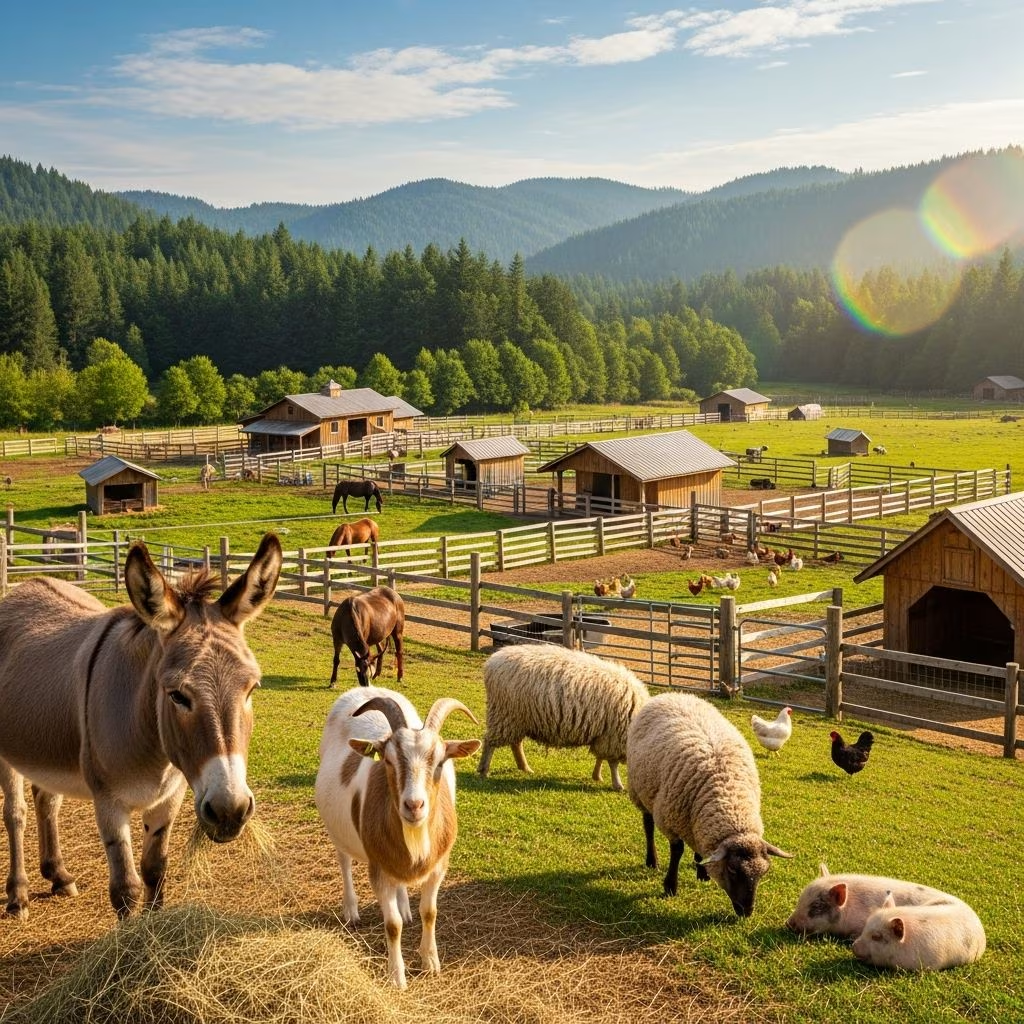
How to Start an Animal Sanctuary: A Complete Guide
Starting an animal sanctuary is a rewarding but challenging endeavor that requires patience, love, time, money, and a lifetime commitment. The animals you rescue bring with them different needs and experiences, and the demands on you will be substantial. However, the rewards of providing care and rehabilitation to rescued animals are worth every minute invested. This comprehensive guide will help you understand what it truly means to care for animals on a sanctuary scale and provide the essential information needed to get started.
Getting Started: First Steps Before You Begin
Before diving into the practical aspects of establishing your sanctuary, take time to understand what the commitment entails. The best way to do this is to gain firsthand experience with established facilities.
Visit and Volunteer at Existing Sanctuaries
Spending time at established sanctuaries and shelters near you is invaluable. Organizations like Best Friends Animal Society welcome visitors and volunteers year-round. By volunteering, you’ll gain practical knowledge about animal care, facility management, and the daily realities of running a sanctuary. If you cannot travel to major sanctuaries, search for no-kill facilities and sanctuaries in your local area. This hands-on experience will help you make informed decisions about your own sanctuary and reveal challenges you hadn’t previously considered.
Develop a Comprehensive Plan
Before moving forward, establish a solid plan by answering fundamental questions about your sanctuary:
- What types of animals will you rescue and care for?
- How many animals can you realistically care for with your resources?
- What is your target service area or region?
- What is your estimated startup budget and ongoing operational costs?
- Who will be on your board of directors and core team?
- What expertise do you and your team members possess?
- How will you fund your sanctuary initially and long-term?
Land and Property Considerations
Selecting the right location for your sanctuary is critical to its success and the welfare of your animals. This decision requires thorough research and should never be rushed.
Evaluating Location and Region
Carefully assess which region suits your sanctuary vision. Consider climate compatibility with the species you plan to rescue, whether you prefer rural or urban settings, and whether your target area already has competing sanctuaries. While it may be tempting to establish your sanctuary in your current location or on affordable land, a hasty decision without proper research can create significant problems. Evaluate transportation access, proximity to veterinary services, climate suitability, and community support before committing.
Zoning and Legal Compliance
After selecting suitable land, immediately investigate zoning laws for that area. Contact your city or county offices to understand regulations. If existing buildings are on the property, a building inspector can provide valuable zoning advice. Zoning compliance is non-negotiable—animal welfare depends on it. Failing to verify zoning could force you to relocate your entire operation after significant investment. Ensure the property is legally zoned for animal sanctuary operations before making any financial commitments.
Renting Versus Purchasing
Decide whether to rent or purchase your property based on your financial situation and long-term vision. Purchasing provides stability and equity building, while renting offers flexibility. However, rental agreements may include restrictions on animal numbers, facility modifications, or long-term operational changes. Carefully review all terms and ensure they align with your sanctuary’s needs.
Establishing Your Nonprofit Organization
Operating as a nonprofit organization, specifically with 501(c)(3) status, provides legal recognition, tax benefits, and credibility.
Legal Formation and Articles of Incorporation
Begin by formally incorporating your animal sanctuary. Depending on your state, this document may be called the “Articles of Incorporation,” “Certificate of Formation,” or similar. This legal step establishes your organization as a recognized entity. If you prefer to handle paperwork without hiring an attorney, resources like Nolo Press’s “How to Form a Nonprofit Corporation” provide straightforward guidance through the process.
Developing Your Mission and Vision
Create a clear mission statement—a single sentence explaining why your sanctuary exists. Additionally, develop a vision statement describing your ideal sanctuary and what you aspire to become. Define your core values that will guide all decision-making. These elements form the foundation of your organization’s identity and attract aligned board members, volunteers, and donors.
Obtaining 501(c)(3) Status
Filing for 501(c)(3) status with the IRS is essential for tax deductibility of donations and nonprofit operations. Initially, you’ll receive provisional status while the IRS reviews your application. After three years of demonstrating legitimate nonprofit operations and maintaining meticulous financial records, the IRS will grant permanent 501(c)(3) status. Never neglect financial record-keeping—poor documentation can result in revocation of your nonprofit status.
Building Your Board of Directors and Team
A strong board of directors provides governance, expertise, and credibility.
Selecting Board Members
Recruit board members who share your mission and bring diverse expertise in areas such as finance, legal matters, animal care, marketing, and community relations. A well-rounded board strengthens your organization’s capabilities and decision-making processes. Board members should demonstrate commitment to your sanctuary’s mission and be prepared for active participation.
Staffing and Volunteer Coordination
Determine which roles require paid staff versus volunteer support. Identify what types of volunteer work would be helpful, where to recruit volunteers, and how to structure your onboarding process. Some tasks require professional expertise and should be staffed positions, while other work can effectively utilize trained volunteers. Building relationships with potential foster parents early is particularly important for animal sanctuaries, as fostering is essential to sanctuary operations.
Animal Care and Welfare Standards
Providing excellent care is your sanctuary’s core mission. Establish comprehensive standards for shelter, veterinary care, nutrition, and animal wellbeing.
Shelter Planning and Building
Design facilities appropriate for your target species. Different animals have vastly different needs—a horse sanctuary requires substantial outdoor pasture space, while a reptile facility needs indoor vivariums with precise environmental controls. Consult with species experts to design shelter that meets animals’ physical and behavioral needs. Invest in quality construction that is easy to clean, secure, and maintains appropriate environmental conditions.
Veterinary Care
Establish relationships with qualified veterinarians who support your mission and understand sanctuary medicine. Regular veterinary care, emergency protocols, and preventive health programs are essential. Budget substantially for medical care, as rescued animals often arrive with health issues requiring treatment.
Spay and Neuter Programs
Implement spay and neuter programs for your animals to prevent unwanted breeding and reduce behavioral issues. Consider organizing community spay/neuter drives as both a sanctuary service and fundraising opportunity. These programs demonstrate your commitment to responsible animal care and community education.
Nutrition and Food Management
Develop appropriate feeding programs for each species in your care. Research species-specific dietary requirements and establish supplier relationships. Calculate food costs carefully—your basic rule of thumb must always be to never commit to caring for more animals than you can pay the bills for now. Inadequate nutrition compromises animal welfare and defeats your sanctuary’s purpose.
Adoption Policies and Animal Placement
Develop comprehensive adoption policies protecting both animals and adopters.
Creating Adoption Standards and Contracts
Establish clear standards for new homes, medical guarantees, return policies, and other adoption requirements. Study other organizations’ adoption policies and adapt elements that align with your values. Many animal groups willingly share adoption paperwork—simply modify documents to reflect your organization’s name and specific policies.
Release Forms and Legal Protection
Implement release forms in multiple contexts: adoption contracts, incoming animal paperwork, and surgical procedure permissions. An adoption contract should clearly define your responsibility limits regarding an adopted animal’s health and behavior. When receiving animals from previous owners, have them sign release forms transferring property rights to your organization. Release forms protect your sanctuary legally while setting clear expectations with the public.
Animal Compatibility and Living Arrangements
Recognize that not all animals can coexist harmoniously. Develop strategies for managing incompatible residents, including separate pastures or herds when necessary. Never assume all animals will naturally get along—frequent bullying or abuse between residents harms welfare and contradicts sanctuary principles. Plan for separate living spaces when needed to ensure every animal thrives.
Training and Professional Development
Proper animal training and handler education improve safety and animal welfare.
Animal Training Programs
Some sanctuary founders pursue formal animal training courses as preparation. Ensure training methods align with your values and emphasize positive, humane approaches. Best Friends offers resources for finding qualified trainers who use evidence-based, compassionate methods.
Continuous Learning and Networking
Maintain ongoing professional development for yourself and your team. Networking with other rescue organizations creates opportunities for collaboration, sharing best practices, and collectively advancing animal welfare. Many sanctuaries actively work together to place animals and collaborate on lifesaving programs, amplifying positive impact across the sector.
Fundraising and Financial Sustainability
Establishing diverse funding streams ensures long-term sustainability.
General Operating Funds
Develop multiple funding sources for regular operations. Email and social media are cost-effective communication methods for informing members and soliciting support. Regular donor engagement builds community and sustains operations through ongoing contributions.
Special Project Fundraising
Organize dedicated fundraising for special initiatives such as spay/neuter drives or facility expansion. Various event types can support these projects effectively.
Community-Based Fundraising Strategies
Start with simple, low-cost approaches like setting up information tables outside busy grocery or pet supply stores. Create visually appealing displays featuring photos of rescued animals and informative literature. These table setups simultaneously generate funds, recruit members, and build community awareness.
Partner with local stores that donate a percentage of daily profits to your sanctuary. Many retailers support community causes and welcome these partnerships. Secure agreements clearly specifying donation percentages and procedures.
Grants and Major Donations
Research and apply for grants from foundations supporting animal welfare. Cultivate relationships with major donors who share your mission. Well-maintained financial records and transparent reporting build donor confidence and support long-term funding relationships.
Communication and Community Building
Effective communication strengthens community support and organizational transparency.
Digital Communication Strategies
Utilize email newsletters and social media to keep supporters informed about sanctuary activities, animal stories, and impact. These inexpensive channels build engaged communities and foster emotional connections with your mission. Regular, quality communication maintains donor and volunteer enthusiasm.
Developing Your Brand Identity
Create a catchy name that immediately communicates your sanctuary’s purpose. If possible, develop a meaningful acronym. Establish consistent branding across all platforms to build recognition and credibility.
Frequently Asked Questions
Q: How much startup capital do I need to begin an animal sanctuary?
A: Startup costs vary significantly based on property purchase or lease, facility construction, initial animal care, and operational expenses. Budget conservatively and ensure you have sufficient reserves to cover at least six months of operational costs before opening to animals.
Q: Can I start a sanctuary part-time while maintaining other employment?
A: Initially, many founders work other jobs while building their sanctuaries. However, animal care is time-intensive. As your sanctuary grows, transitioning to full-time work becomes necessary to ensure adequate animal welfare and facility management.
Q: What if zoning laws in my preferred location prohibit animal sanctuaries?
A: Zoning restrictions cannot be ignored. You have several options: seek zoning variances or conditional use permits, locate property in areas with appropriate zoning, or work with local government to change zoning regulations through advocacy.
Q: How do I find board members for my sanctuary?
A: Recruit through your volunteer network, reach out to professionals with relevant expertise, contact community leaders interested in animal welfare, and leverage personal networks. Clearly communicate expectations and ensure alignment with your mission.
Q: What financial records should I maintain?
A: Maintain comprehensive records including all income and expenses, donor contributions, payroll documentation, veterinary costs, facility maintenance, and equipment purchases. Excellent bookkeeping is essential for maintaining nonprofit status and demonstrating financial responsibility to the IRS and donors.
References
- How to Start an Animal Sanctuary — Best Friends Animal Society. 2024. https://bestfriends.org/pet-care-resources/how-start-animal-sanctuary
- So, You Want To Start A Farmed Animal Sanctuary — Open Sanctuary Project. 2024. https://opensanctuary.org/start/
- How to Start an Animal Rescue: Get 501c3 Status and More — Charitable Allies. 2024. https://charitableallies.org/how-to-start-an-animal-rescue/
- Publication 557: Tax-Exempt Status for Your Organization — Internal Revenue Service. 2023. https://www.irs.gov/pub/irs-pdf/p557.pdf



