

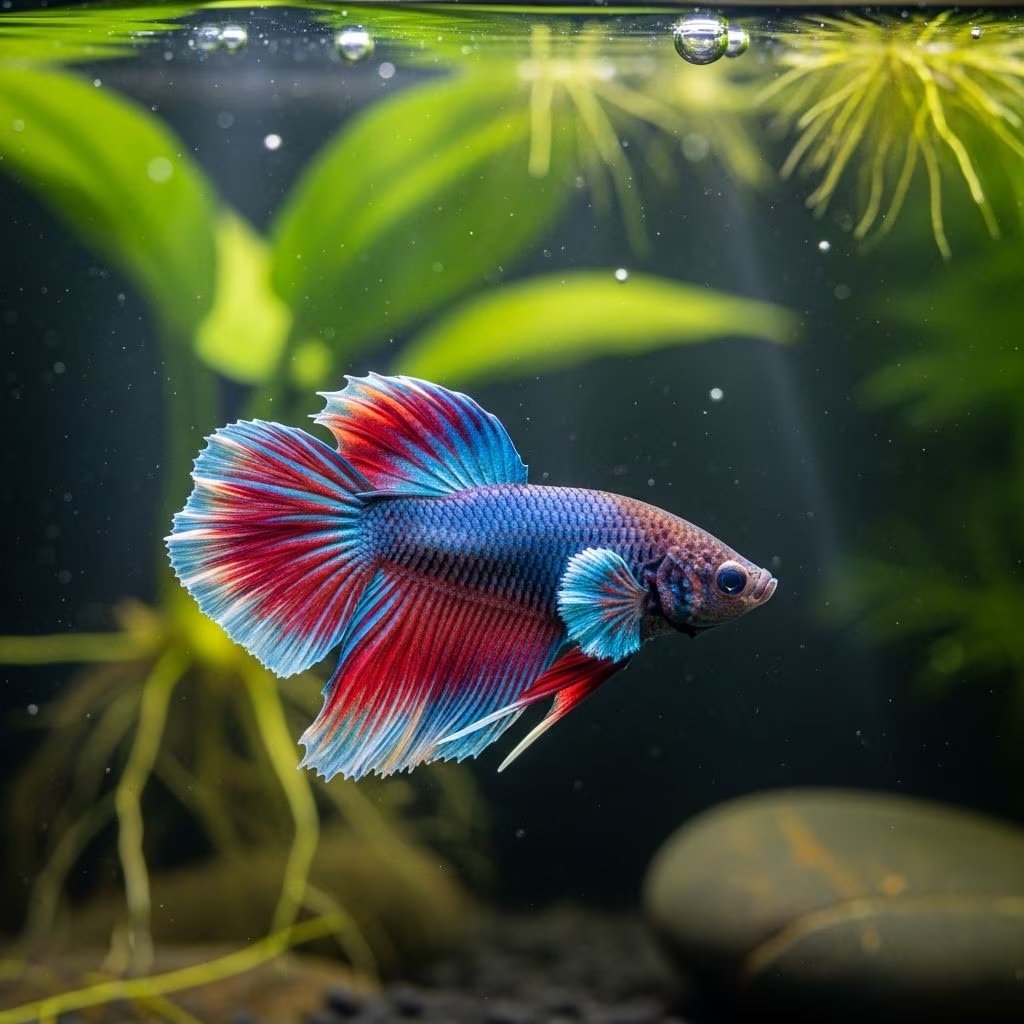
How to Spot Signs of Distress in Your Fish Before It’s Too Late
Fish cannot communicate with us through words, but they communicate through their behavior, appearance, and activity levels. Recognizing the early warning signs of distress is essential for any aquarium owner who wants to maintain a healthy aquatic environment. Whether you are a beginner or an experienced aquarist, understanding these critical indicators can mean the difference between a thriving tank and a failing one. Stress in fish can escalate quickly, leading to disease, injury, or even death if left unaddressed. This comprehensive guide will help you identify the signs of fish distress and take immediate action to protect your aquatic pets.
Physical Signs of Fish Distress
The body of a fish is the first indicator of its health status. Physical manifestations of distress are often the most visible and easiest to spot if you know what to look for.
Color Changes and Fading
One of the most noticeable signs of stress in fish is a sudden change in color. Fish require significant energy to maintain their vibrant coloration. When stressed, fish redirect this energy to survival functions, causing their colors to fade or appear washed out. A fish that was once brilliantly colored may suddenly appear pale or dull. For example, a vibrant angelfish turning dull or a clownfish losing its brightness are alarming indicators. This color change occurs because the stress hormone Corticosteron actively suppresses pigmentation. Additionally, fish may develop unusual discoloration patterns or spots that were not previously visible. Pay close attention to any gradual or sudden shifts in your fish’s appearance.
Abnormal Gill Behavior
The gills are critical respiratory organs, and changes in gill appearance or movement are significant warning signs. Stressed fish may exhibit rapid gill movement or labored breathing as they struggle to extract oxygen from the water. Look for the following gill-related distress signals:
- Gills closing or remaining partially closed
- Rapid or excessive gill fluttering
- Gills appearing red, inflamed, or discolored
- Visible damage or deterioration to gill tissue
These changes may indicate poor water quality, parasitic infection, or insufficient oxygen levels in the tank.
Unusual Body Position and Swimming Posture
Healthy fish maintain natural swimming postures and positions within the tank. Distressed fish often exhibit abnormal body positioning that deviates from their normal behavior. Common postural distress signals include:
- Swimming sideways or at unusual angles
- Tilting with the head pointing downward
- Floating listlessly near the surface
- Laying on their side on the tank bottom
These positions often indicate serious water quality issues, such as elevated ammonia or nitrite levels, or oxygen depletion.
Visible Lesions and Physical Damage
Examine your fish regularly for physical injuries, sores, or lesions. Stressed fish are more susceptible to secondary infections and may develop visible wounds. White spots on the body can indicate parasitic infections like Ich, while red spots on the fins may suggest bacterial infections or fin rot. Any visible deterioration of fin quality, such as tattered, shredded, or transparent fins, indicates serious health concerns.
Behavioral Changes in Distressed Fish
Beyond physical appearance, behavioral changes are powerful indicators of fish distress. Observing your fish’s daily behavior patterns helps you identify when something is wrong.
Erratic Swimming Patterns
Watch for sudden changes in how your fish move through the water. Distressed fish often exhibit frantic or erratic swimming behaviors that contrast sharply with their normal movement patterns. These include:
- Darting or jerking movements that seem uncontrolled
- Hysterical or panicked swimming
- Rapid direction changes
- Persistent swimming against tank walls or decorations
- Swimming in circles or figure-eight patterns
Frantic swimming typically indicates an acute or recent problem in the aquarium, such as a sudden water parameter shift or the introduction of an aggressive fish. Conversely, if your fish becomes lethargic with significantly decreased swimming activity, this may indicate a chronic or developing problem, potentially including parasitic infection.
Surface Gasping and Oxygen Deprivation
Fish that consistently remain near the surface gasping for air are experiencing severe distress. This behavior indicates insufficient dissolved oxygen in the water, which can result from inadequate aeration, excessive biological load, or elevated water temperature. Surface gasping is a critical warning sign that demands immediate intervention.
Social Withdrawal and Isolation
Fish that were previously social and interactive may suddenly become reclusive during periods of stress. If normally active and social fish begin hiding, staying in corners, or avoiding other tank inhabitants, stress is likely the culprit. This behavioral change is especially noticeable in naturally outgoing species. Some fish may also exhibit increased aggression, displaying territorial behavior that seems out of character.
Changes in Appetite and Feeding Behavior
A healthy fish maintains consistent feeding habits. Stressed fish often alter their eating patterns significantly. Observable appetite changes include:
- Complete loss of appetite and refusal to eat
- Eating significantly less than normal
- Aggressive, uncontrolled consumption followed by regurgitation
- Immediate expulsion of food after ingestion
Poor appetite is frequently associated with stress, disease, or aggressive tank mates that create anxiety during feeding times.
Environmental Factors Contributing to Fish Distress
Understanding the environmental causes of stress is crucial for prevention and correction. Most fish distress stems from controllable environmental factors.
Water Quality Issues
The most common cause of fish distress is poor water quality. Key parameters to monitor include:
- pH levels (stability is more important than the exact value)
- Salinity levels in saltwater tanks
- Ammonia and nitrite levels (should be zero)
- Nitrate accumulation
- Temperature fluctuations
Rapid or extreme changes in any of these parameters create immediate stress. Inconsistent water conditions force fish to expend energy adapting, leaving them vulnerable to disease.
Inadequate Lighting
Lighting plays a significant role in fish health and behavior. Improper lighting conditions that cause stress include:
- Incorrect light spectrum or intensity for the species
- Sudden lighting changes or erratic light cycles
- Prolonged exposure to darkness or excessive brightness
- Lack of a natural day-night cycle
Most fish require consistent light cycles to regulate their circadian rhythms and behavior.
Poor Water Flow and Circulation
Adequate water movement is essential for maintaining water quality and meeting the needs of tank inhabitants. Problems include:
- Dead zones with inadequate current
- Turbulent or excessive water flow that exhausts fish
- Insufficient circulation for nutrient distribution
- Lack of proper current for species that require flowing water
Tank Overcrowding and Incompatible Tank Mates
Too many fish in a limited space creates constant competition for resources and territory, leading to chronic stress. Additionally, housing incompatible species together can result in aggressive interactions and bullying behavior, which elevates stress hormones in subordinate fish.
How to Monitor Your Fish for Distress
Proactive monitoring is the best defense against undetected distress. Implement these monitoring techniques to catch problems early:
Establish a Regular Observation Schedule
Dedicate time daily to observe your fish during their active periods and feeding times. Note any deviations from normal behavior or appearance. The more familiar you are with your fish’s baseline behavior, the easier it will be to spot abnormalities.
Use Digital Water Testing Equipment
Invest in reliable digital monitoring systems for key water parameters. Regular testing helps you catch water quality issues before they impact fish health. Many modern aquarium systems include automated monitoring that alerts you to parameter changes.
Maintain Detailed Records
Keep an aquarium log documenting water parameters, feeding amounts, behavioral observations, and any changes to the tank setup. This historical record helps you identify patterns and correlate distress events with specific environmental changes.
Document Visual Changes with Photography
Take regular photographs of your fish to track physical changes over time. Photography creates a visual record that makes gradual color fading or tissue changes more apparent than memory alone.
Immediate Actions to Take When You Spot Distress
If you identify signs of distress, quick action can prevent serious consequences. Here’s what to do:
- Perform a partial water change (25-50%) to improve water quality
- Check and adjust all water parameters to appropriate ranges
- Verify that filtration and aeration systems are functioning properly
- Remove any visibly aggressive or problematic tank mates
- Reduce feeding temporarily if water quality is compromised
- Turn off bright lights to reduce stress
- Observe closely for any improvement or further deterioration
- Consult with an aquarium specialist if distress continues beyond 24 hours
Species-Specific Stress Responses
Different fish species display stress in slightly different ways. Research your specific species to understand their normal behavior and typical stress signals. For example, tangs naturally spend time swimming in open areas, while clownfish typically remain close to specific tank features. Understanding these species-specific behaviors prevents false alarms and helps you accurately assess genuine distress.
Preventing Fish Distress Before It Starts
Prevention is far more effective than treatment. Maintain consistent water parameters, avoid overstocking your tank, provide appropriate lighting and water flow for your species, perform regular maintenance, and carefully research compatibility before adding new fish. A well-maintained, stable environment dramatically reduces stress-related problems.
Frequently Asked Questions
Q: How quickly can fish distress become life-threatening?
A: Fish distress can escalate rapidly. Acute problems like ammonia spikes or oxygen depletion can cause serious harm within hours. This is why immediate observation and response are critical.
Q: Can stress cause disease in fish?
A: Yes. Stress suppresses the fish’s immune system, making them more susceptible to bacterial and parasitic infections. Addressing stress quickly helps prevent secondary infections.
Q: What is the most common cause of fish distress in home aquariums?
A: Poor water quality, particularly elevated ammonia and nitrite levels, is the leading cause of fish distress in home aquariums. Regular water testing and maintenance prevent this issue.
Q: How often should I check my fish for signs of distress?
A: Daily observation during feeding times is ideal. This allows you to catch any changes in behavior or appearance quickly and respond appropriately.
Q: Are color changes always a sign of stress?
A: Not always. Some color changes are natural, such as during spawning or in response to dim lighting. However, sudden or dramatic color fading is almost always a stress indicator.
Q: What should I do if my fish is gasping at the surface?
A: Surface gasping indicates low oxygen levels. Immediately increase aeration, perform a partial water change, check water temperature (it may be too high), and verify that your filtration system is working properly.
References
- The Common Signs of Coral & Fish Stress — Reefco Aquariums. https://reefcoaquariums.com/blogs/news/the-common-signs-of-coral-fish-stress
- Stress factors for aquarium fish — CO2Art. https://www.co2art.us/blogs/blog/stress-factors-for-aquarium-fish
- Signs That You Might Have Stressed Fish: The Symptoms — Reef2Reef. https://www.reef2reef.com/threads/signs-that-you-might-have-stressed-fish-the-symptoms.314743/
- Stress – Beginner — Duke University Computer Science. https://users.cs.duke.edu/~narten/faq/stress.html
- Signs Your Fish is Sick and How to Solve It — Pet Assure. https://www.petassure.com/maxscorner/eight-signs-your-sick-is-fish-and-how-to-solve-it/



