

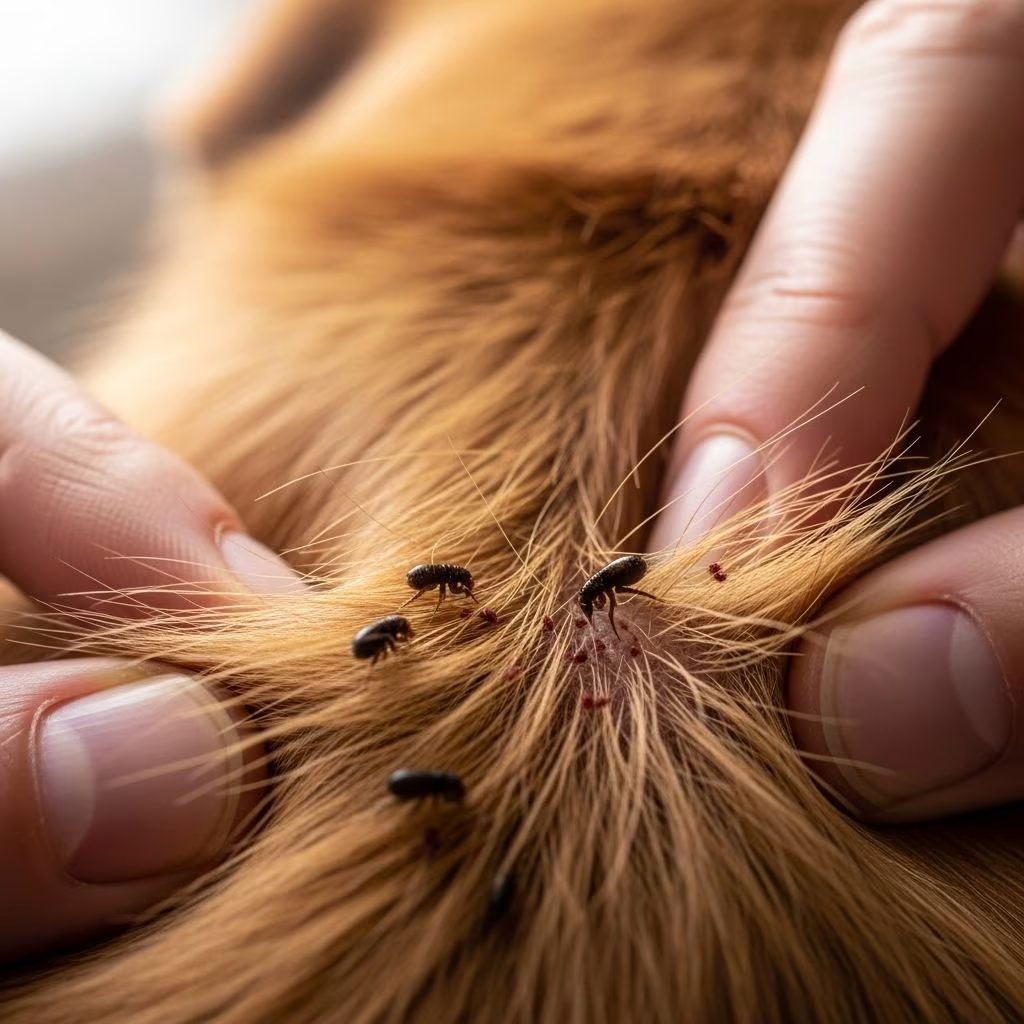
Flea infestation is one of the most common issues pet parents face, and if you’re experiencing it, you’re certainly not alone. Dog fur provides an ideal breeding ground for these tiny, jumping parasites, making dogs particularly susceptible to infestations. The good news is that whether you’re dealing with mild or severe flea problems, there are proven steps you can take to eliminate fleas from your dog and home. After addressing the immediate infestation, you can implement preventative measures to ensure fleas don’t return.
How to Spot Fleas on Your Dog
Recognizing the early signs of flea infestation is crucial for prompt treatment. Many dogs show similar symptoms when infected, but the severity can vary depending on their sensitivity and the size of the infestation.
Common Early Signs of Fleas
Watch for these telltale indicators that your dog may have fleas:
- Frequent itching and scratching: Particularly around the head, neck, and base of the tail. Due to dogs’ allergic reaction to proteins in flea saliva, even one or two bites can cause itching lasting several days.
- Flea dirt on skin: Also known as flea feces, this appears as ground pepper-like specks on your dog’s skin and will turn reddish-brown when wet on a paper towel.
- Live fleas: Tiny dark brown insects that move quickly through your dog’s fur. They’re commonly found near the tail and on the sparsely-haired underbelly.
- Hair loss and reddened skin: Resulting from excessive scratching and biting at flea bites.
- Behavioral changes: Restlessness, difficulty sleeping, or signs of discomfort.
Using a flea comb makes detecting fleas and flea dirt significantly easier, as it helps part the fur and expose parasites hiding close to the skin.
Understanding the Flea Life Cycle on Dogs
To effectively eliminate fleas, it’s essential to understand their complete life cycle. Most standard flea treatments target only adult fleas, which is why infestations can persist if all life stages aren’t addressed. The entire flea life cycle typically takes about three weeks on average, though environmental conditions can extend this to months or even years.
The Four Stages of Flea Development
Stage 1—Egg: After a female flea lays eggs on your dog, they fall into the environment as your pet moves around. Flea eggs require anywhere from two days to two weeks to develop, depending on temperature and humidity. Eggs represent nearly half of the total flea population in an infested home, making them a critical target for treatment.
Stage 2—Larva: Hatched larvae are legless, nearly transparent creatures measuring up to ¼-inch long. They inhabit your house and yard, feeding on flea dirt and debris for survival. After five to twenty days of development, they spin cocoons to enter the next life stage. Larvae are particularly vulnerable to certain treatments during this phase.
Stage 3—Pupa: The pupal stage represents the most resilient phase of the flea life cycle. Fleas can survive in their thick, protective cocoons for months, and in rare cases, even for years. On average, this stage lasts several days to weeks. Adult fleas emerge once environmental conditions become favorable, typically when temperatures are warm and humidity is high.
Stage 4—Adult Flea: This is the visible stage that pet parents encounter on their dogs. Adult fleas bite, feed on your dog’s blood, and cause the itching, discomfort, and allergic reactions that prompt owners to seek treatment. Only adult fleas are visible to the naked eye and are the ones you’ll see jumping through your dog’s fur.
How To Get Rid of Fleas on Dogs
Effective flea elimination requires a multi-pronged approach that addresses both your pet and your home environment. Following these systematic steps will help you regain control over a flea infestation.
Step 1: Gather Necessary Supplies
Before beginning treatment, assemble all necessary items to ensure a smooth, comprehensive approach:
- Flea comb with fine teeth
- Isopropyl (rubbing) alcohol
- Gentle dog shampoo or veterinarian-recommended shampoo for sensitive skin
- Monthly flea and tick prevention treatment (such as Seresto flea and tick collars)
- Flea-killing sprays or foggers for indoor use
- Yard treatment sprays for outdoor flea control
Step 2: Comb Your Dog With a Flea Comb
Physical removal of fleas is an important first step in treatment. Position yourself in the bathtub, sink, or outdoors to contain any fleas. Using a fine-toothed flea comb, start at your dog’s head and work systematically toward the tail, combing in the direction of hair growth. This helps dislodge fleas from the fur and skin.
As you comb, place any fleas you find into a cup or bowl filled with isopropyl alcohol, which will kill them immediately. Continue this process multiple times until you no longer see fleas in the comb. Depending on the severity of the infestation, this may take considerable time and patience.
Step 3: Bathe Your Dog With Flea Shampoo
Following the physical removal of fleas, bathe your dog using a specialized flea and tick shampoo. These shampoos are formulated to kill both adult fleas and flea eggs, providing immediate relief and breaking the reproductive cycle. If your dog has irritated or broken skin, consult your veterinarian for a gentler shampoo recommendation.
When bathing, work the shampoo thoroughly through the coat, paying special attention to areas where fleas congregate, such as the neck, tail base, and underbelly. Allow the shampoo to sit for the recommended time before rinsing thoroughly with warm water.
Step 4: Apply Long-Term Prevention Treatment
After treating the active infestation, apply a monthly flea and tick prevention product. When selecting a preventative, choose one that controls multiple life cycle stages—not just adult fleas. This comprehensive approach prevents eggs and larvae from developing into adult parasites, effectively breaking the cycle and preventing future infestations.
Critically important: Apply preventative medications to all pets in your household that can contract fleas, not just the infected animal. This prevents fleas from jumping to untreated pets and starting new infestations.
Step 5: Treat Your Home and Yard
Since fleas spend most of their life cycle off your dog in the environment, treating your home and yard is essential. Use flea-killing sprays or foggers indoors, focusing on areas where your dog spends time—bedding, furniture, and carpets. For outdoor treatment, apply yard sprays to common hangout spots and areas where fleas may harbor.
Note that you may continue seeing dead or dying adult fleas on your pet during initial treatment stages, as new fleas hatch from the environment and climb onto your dog. This is normal and doesn’t indicate treatment failure.
Treatment Options for Fleas
Several types of flea treatments are available, each with unique benefits and application methods:
Topical Treatments (Spot-On Treatments)
Topical flea medicine consists of liquid formulations applied directly to your dog’s skin. These treatments typically come in individual dose applicators that you squeeze onto the skin between your dog’s shoulder blades. The medication spreads across the skin and coat, providing protection against fleas, ticks, and sometimes other parasites. Most topical treatments last 30 days and are applied monthly for continuous protection.
Oral Treatments (Pills and Chewables)
Flea pills and chewables offer fast-acting treatment of active infestations. These oral medications work systemically throughout your dog’s body and are convenient for owners who prefer not to apply topical treatments. Many provide protection against both fleas and ticks, with varying duration of effectiveness.
Flea and Tick Collars
Wearable flea prevention collars offer long-lasting protection, with some lasting as long as eight months. These collars are convenient for consistent protection and eliminate the need for monthly applications. Modern flea collars are more effective and safer than older generations.
Shampoos and Sprays
Flea shampoos and sprays kill parasites on contact and help alleviate physical symptoms like itching and inflammation. These are often used as part of the initial treatment phase and work well in combination with other treatments for comprehensive flea elimination.
Ongoing Monitoring and Prevention
After successfully treating a flea infestation, maintaining vigilance is crucial to prevent recurrence. Continue inspecting your dog’s fur for fleas every two to three weeks, even when using preventative treatments. Regular bathing with flea shampoo can be beneficial; consult your veterinarian about the appropriate frequency for your dog.
Year-round flea and tick prevention is recommended, as fleas can survive in warm environments even during winter months. Keeping your dog’s preventative medication current ensures continuous protection against future infestations.
Frequently Asked Questions
Q: How can I tell the difference between flea dirt and regular dirt?
A: Flea dirt appears as tiny black or brown pepper-like specks on your dog’s skin. The definitive test is to place the specks on a damp white paper towel. If they’re flea dirt, they’ll turn reddish-brown as the moisture activates the digested blood they contain. Regular dirt won’t change color.
Q: Can fleas on my dog spread to my home?
A: Yes, absolutely. Fleas spend most of their life cycle off your dog in the environment. Eggs fall from your dog throughout your home, and larvae develop in carpets, bedding, and furniture. This is why treating your home and yard is essential alongside treating your dog.
Q: How long does it take to eliminate a flea infestation?
A: With proper treatment targeting all life stages, most infestations can be controlled within 3-4 weeks. However, maintaining prevention treatment for at least three months ensures you’ve broken the complete life cycle and prevented new infestations from developing.
Q: Should I treat all my pets if only one has fleas?
A: Yes, it’s critical to apply preventative treatment to all pets in your household that can contract fleas. Fleas spread easily between animals, and treating only one pet leaves others vulnerable to infestation.
Q: Can I use cat flea treatments on my dog?
A: No, never use cat flea treatments on dogs. Many products safe for cats are toxic to dogs. Always use treatments specifically formulated for dogs and follow your veterinarian’s recommendations.
Q: What should I do if my dog has an allergic reaction to flea bites?
A: Some dogs develop flea allergy dermatitis, an allergic reaction to flea saliva proteins. Contact your veterinarian immediately if your dog shows signs of severe itching, skin infection, or hair loss. Your vet can recommend appropriate treatments and anti-itch medications.
Q: How often should I bathe my dog during flea treatment?
A: Ask your veterinarian about the appropriate bathing frequency for your dog during treatment. Generally, bathing 2-3 times weekly with flea shampoo during active infestation can help, but this depends on your dog’s skin condition and the specific products you’re using.
Q: Can I use natural remedies instead of chemical flea treatments?
A: While some natural remedies may provide minor relief, they’re typically not effective enough to eliminate active infestations. For significant flea problems, prescription or over-the-counter chemical treatments are more reliable. Consult your veterinarian about combining natural approaches with proven medical treatments.
Q: When should I start flea prevention on puppies?
A: Flea prevention recommendations vary by product and puppy age. Some products are safe for puppies as young as 6-8 weeks, while others require the puppy to be older or weigh more. Always follow your veterinarian’s guidance on age-appropriate flea prevention for your puppy.
References
- Fleas on Dogs: Signs, Treatment, and Prevention — Chewy. 2025. https://www.chewy.com/education/dog/flea-and-tick/fleas-on-dogs
- How To Detect Fleas and Avoid a Flea Infestation — Chewy. 2025. https://www.chewy.com/education/dog/flea-and-tick/detect-flea-infestation
- A Guide to Topical Flea Treatment for Dogs — Chewy. 2025. https://www.chewy.com/education/dog/flea-and-tick/topical-flea-treatment-dogs
- How To Combat Fleas On Dogs | Chewtorials — Chewy. 2025. https://www.youtube.com/watch?v=EeNYr5Y3N28
- Flea & Tick Treatment & Medicine for Dogs — Chewy. 2025. https://www.chewy.com/b/flea-tick-381



