

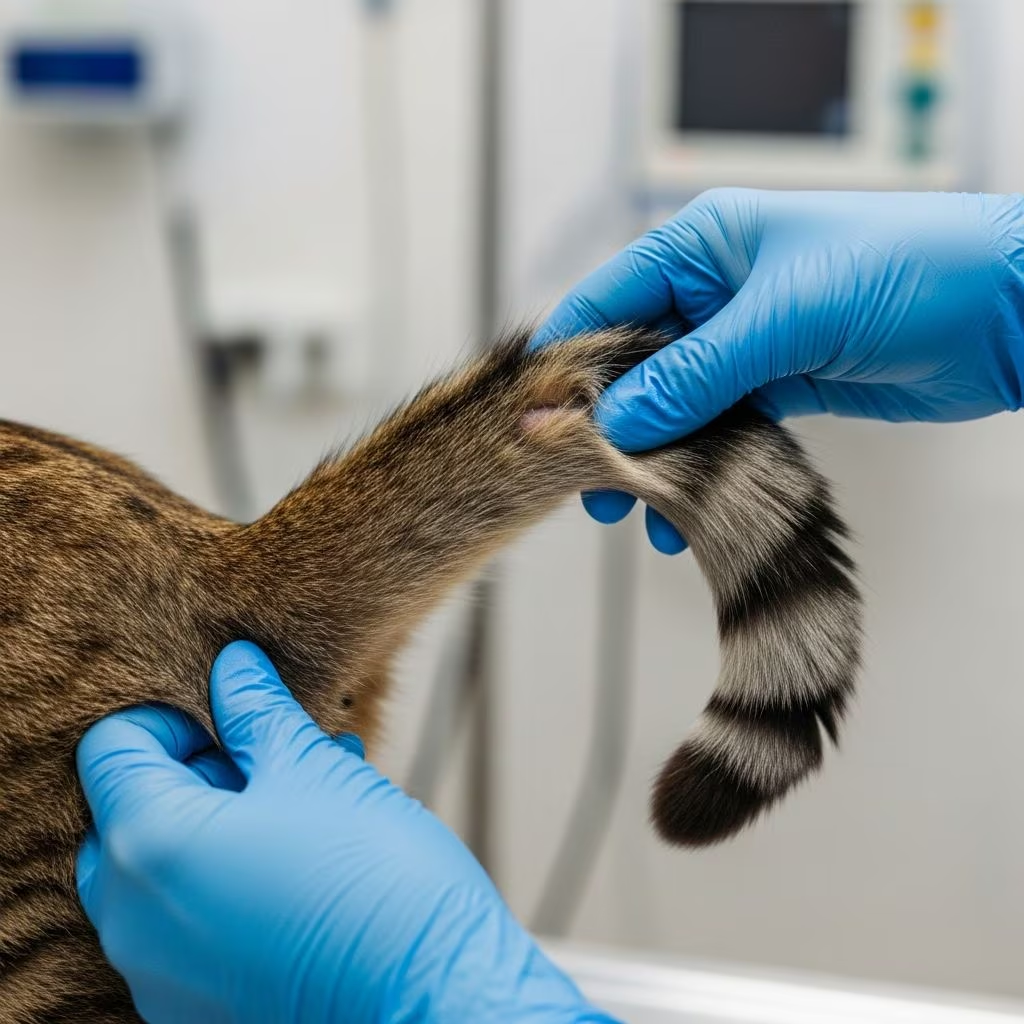
A cat’s tail is a vital extension of its spine, essential for balance, communication, and coordination. Injuries like fractures or tail pulls can cause significant pain and complications if not addressed promptly. Recognizing the signs early allows for timely veterinary intervention, potentially preventing nerve damage or loss of function.
Signs of a Broken Cat Tail
Spotting a broken cat tail involves observing changes in appearance, movement, and behavior. Common indicators include:
- Limp or Immobile Tail: The tail hangs limply, drags on the ground, or fails to move as usual, often the most noticeable sign.
- Swelling or Visible Deformity: Look for inflammation, bruising, redness, or unnatural angles suggesting fracture or dislocation.
- Pain When Touched: Cats may hiss, flinch, bite, or vocalize when the tail is handled, indicating sensitivity.
- Difficulty Urinating or Defecating: Nerve damage at the tail base can disrupt bladder and bowel control, leading to incontinence or straining.
- Behavioral Changes: Withdrawn behavior, hiding, aggression, reduced appetite, or less grooming signal discomfort.
- Balance and Mobility Issues: Unsteady walking, hesitation jumping, or hind leg weakness due to coordination loss.
- Loss of Tail Function: Inability to wag, lift, or control the tail, possibly with bleeding or wounds.
These symptoms can vary; some cats mask pain well, so monitor closely after potential accidents.
Causes of Cat Tail Injuries
Cat tails, made of small vertebrae decreasing in size toward the tip, are prone to injury from everyday hazards. Common causes include:
- Trauma from Falls: Jumping from heights or slipping off furniture can fracture bones.
- Door or Object Traps: Tails caught in slamming doors leading to pulls or crushes.
- Fights or Attacks: Bites from dogs or other cats causing degloving or fractures.
- Vehicle Accidents: Being hit by cars results in severe tail pull injuries.
- Base Injuries: More serious near the spine, risking nerve and vessel damage.
Injuries closer to the base heighten risks for hind leg paralysis, incontinence, and long-term issues.
Why Tail Injuries Are Serious
Beyond pain, broken tails can damage nerves controlling bladder, bowels, and hind limbs. Untreated, they lead to infections, chronic incontinence, or tail necrosis from poor blood flow. A limp tail might indicate spinal extension damage, affecting overall mobility. Prompt care prevents complications like urinary blockages, which are emergencies.
Diagnosis of a Broken Cat Tail
Veterinarians diagnose via:
- Physical Exam: Palpating for pain, swelling, deformity, and nerve function.
- X-rays (Radiographs): Confirm fractures, dislocations, or spinal involvement.
- Neurological Evaluation: Tests reflexes, sensation, and bladder control for nerve damage.
Advanced imaging may be used for complex cases. Early diagnosis guides effective treatment.
Treatment Options for Broken Cat Tails
Treatment depends on severity:
| Injury Type | Treatment | Prognosis |
|---|---|---|
| Minor Fracture (Tip) | Splint, pain meds, rest; heals in 4-6 weeks | Excellent, full function returns |
| Mid-Tail Break | Cast, anti-inflammatories, monitoring | Good with compliance |
| Tail Pull/Nerve Damage | Strict rest, meds; possible surgery | Variable; incontinence may persist |
| Severe (Necrosis/Infection) | Amputation, antibiotics | Cats adapt well post-amputation |
Surgery is recommended if blood supply fails, self-trauma occurs, or infection risks rise. Pain management is crucial as cats hide suffering.
Recovery and Home Care
Post-treatment:
- Crate Rest: Confine to prevent jumping or tail use for 2-6 weeks.
- Monitor Elimination: Check for straining; express bladder if needed.
- Wound Care: Clean daily, use cone to stop chewing.
- Follow-ups: X-rays to track healing; adjust meds.
- Prevent Re-injury: Secure doors, supervise outdoors.
Most cats recover fully with simple fractures, but base injuries may cause permanent deficits. Patience aids adaptation.
Prevention Tips for Cat Tail Injuries
Minimize risks by:
- Supervising outdoor time or keeping indoors.
- Installing door stops.
- Providing stable climbing surfaces.
- Trimming furniture edges.
- Early socialization to reduce fights.
Regular vet checks catch vulnerabilities early.
Frequently Asked Questions (FAQs)
Can a cat’s broken tail heal on its own?
Minor tip injuries might, but most require vet care to avoid complications like nerve damage. Always consult a professional.
What if my cat can’t urinate after a tail injury?
This is an emergency signaling nerve damage; seek immediate vet care to prevent bladder rupture.
Will my cat need tail amputation?
Only in severe cases with poor circulation or infection; cats live happily without tails.
How long does recovery take?
4-8 weeks with rest and treatment; full function varies by injury site.
Is a limp tail always a break?
No, could be sprain or pull, but X-rays confirm; err on vet visit side.
When to See a Vet Immediately
Rush to ER for: no urination/defecation in 24 hours, hind leg paralysis, open wounds, or severe pain. Time-sensitive nerve issues demand urgency.
References
- How to Tell if Your Cat Has a Broken Tail — VEG ER for Pets. 2023. https://www.veg.com/post/cat-broken-tail
- Signs of a Broken Tail in Cats: How This Can Be Treated — Frontier Veterinary Urgent Care. 2023. https://frontierveturgentcare.com/blog/broken-tail-in-cats/
- Telltale Signs Of A Broken Tail In Cats — Autumn Trails Veterinary Center. 2023. https://autumntrailsvet.com/telltale-signs-of-a-broken-tail-in-cats/
- Emergency Care for a Cat Tail Pull Injury — GSVS. 2023. https://gsvs.org/blog/emergency-cat-tail-pull-injury/
- Tail Pull Injury in Cats: Common Treatments — Advanced Animal Care. 2023. https://aac.vet/blog/tail-pull-injury-in-cats/
- Broken Cat Tail & Other Tail Injuries — Whisker. 2023. https://www.whisker.com/blog/broken-cat-tail-injuries



