

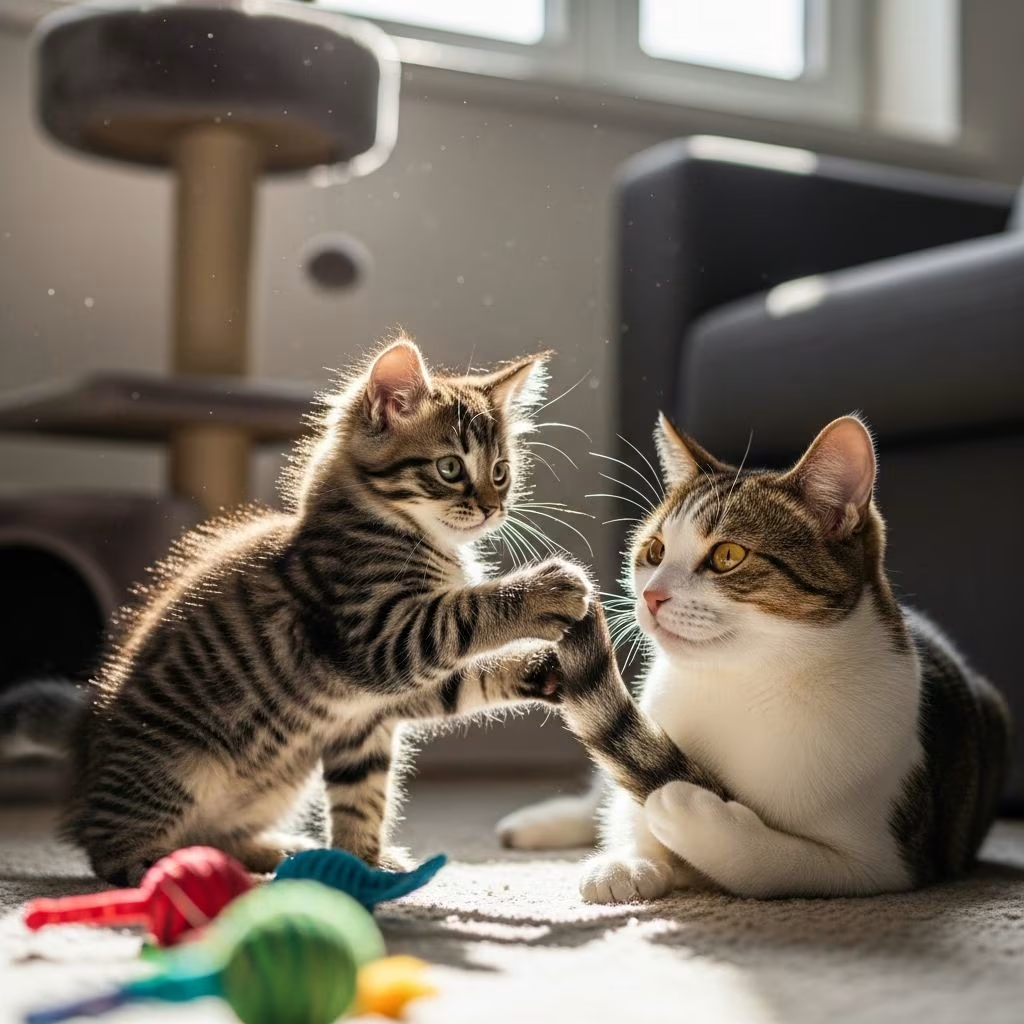
Socializing your kitten is one of the most important aspects of early cat care, helping them grow into confident, friendly adult cats that thrive in human households. The process involves gradual exposure to people, sounds, objects, and handling during their critical developmental window, typically between 2 and 7 weeks of age, though it can extend slightly beyond for some kittens. Proper socialization reduces fear, aggression, and stress, fostering a strong bond between you and your kitten.
During this sensitive period, kittens learn to recognize humans as safe and positive. Missed opportunities can lead to shy or feral behaviors later, making rehabilitation more challenging. Start early with positive reinforcement using treats, play, and gentle interactions to associate new experiences with rewards. Consistency, patience, and short daily sessions are key to success.
What Is the Socialization Period for Kittens?
The **socialization period** for kittens is a critical developmental phase from approximately **2 to 7 weeks of age**, when they are most receptive to new experiences. During this time, their brains are highly plastic, allowing them to form lasting positive associations with humans, environments, and stimuli. Kittens handled regularly before 8 weeks are far more likely to become well-adjusted pets.
According to experts, this window closes progressively after 7-8 weeks, after which socialization becomes harder but not impossible—especially for “fractious” or semi-feral kittens up to 12 weeks. For feral kittens, intervention before 6 weeks yields the best results, as they begin viewing humans as threats post-critical period. Daily handling of at least 15 minutes, including petting all body areas, is recommended to build tolerance.
- **2-4 weeks:** Prime time for gentle human contact; focus on touch and warmth.
- **4-7 weeks:** Introduce play, sounds, and varied people.
- **8+ weeks:** Continued exposure with more intensive methods if needed, like food-luring techniques.
Research emphasizes that kittens socialized during this period show reduced fear responses and better adaptability to household life. If adopting an older kitten, assess their continuum—from fully socialized to feral—and tailor your approach accordingly.
Why Is It Important to Socialize Kittens?
Socializing kittens prevents behavioral issues like fearfulness, hiding, aggression, or litter box avoidance in adulthood. Well-socialized cats are happier, healthier, and easier to care for, tolerating grooming, vet visits, and travel with minimal stress. It builds confidence, encouraging curiosity over caution.
Untamed kittens may struggle with nail trims, baths, or strangers, leading to surrendered pets. Early exposure habituates them to everyday stimuli—doorbells, vacuums, children—creating positive conditioned responses. Interactive play strengthens bonds and teaches appropriate play, reducing biting or scratching.
Benefits include:
- Stronger human-cat bonds through positive associations.
- Better health outcomes from stress-reduced vet compliance.
- Reduced shelter relinquishments due to behavior problems.
Signs Your Kitten Needs More Socialization
Watch for these red flags indicating insufficient socialization:
- Hissing, swatting, or fleeing from hands or people.
- Avoiding eye contact or body contact; hiding frequently.
- Arched back, flattened ears, or dilated pupils during interactions.
- Resistance to handling paws, mouth, or belly.
- Fearof household noises like vacuums or doors slamming.
These behaviors signal a need for patient, reward-based intervention. Track progress with checklists: no hissing when approached, batting at toys, or accepting full-body pets.
Steps to Socialize Your Kitten
Follow these progressive steps, starting small and building up. Sessions should last 5-15 minutes, 3-5 times daily, always ending positively.
- Get to Their Level: Sit on the floor to avoid towering. Use a calm voice and slow movements.
- Feed by Hand: Offer kibble or treats from your fingers while they eat, gradually petting head/shoulders.
- Initiate Touch During Meals: Pet while engrossed in food; progress to back, tail base, belly.
- Use Toys for Play: Wand toys encourage chasing and pawing, associating fun with you.
- Lift Gently: Scoot under chest with food nearby; hold loosely on knees before full pick-ups.
- Expand Exposure: Introduce sounds, objects, and people slowly with treats.
For shy kittens, establish a reward marker (clicker or word like “yes”) for eye contact, sniffing, or paw placement. Progress from tools like feather sticks to hand petting.
How to Socialize a Feral or Shy Kitten
Feral or shy kittens require a structured continuum approach. Use enclosed spaces like carriers initially.
- Food Luring: Roll kibble short distances toward you; hand-feed baby food on fingers.
- Touch Progression: Pet head/shoulders during eating; nudge sides while feeding.
- Short Lifts: Hold with food at nose; advance to chest holds feeling your heartbeat.
- Play Therapy: Track toys visually, then bat/chase for confidence.
- Desensitize Sensitive Areas: Belly, paws, mouth via treats paired with touch.
Be flexible—use favorites like wet food for breakthroughs. For fractious kittens, start with tools before hands.
Socializing Kittens: 10 Essential Tips
Enhance socialization with these proven strategies:
- Pair Everything with Treats: New smells, touches, sounds = immediate rewards (within 3 seconds).
- Respect Choice: Let kittens approach; no forcing to prevent shutdown.
- Daily Handling: Touch ears, feet, tummy, mouth for 15 minutes.
- Varied People: Men, women, children with slow movements and soft voices.
- Interactive Play: Wand toys for hunting simulation; air/land games.
- Home Sounds: Low-volume doorbells/vacuums, increasing gradually.
- Grooming/Vet Prep: Brush, clip nails, simulate exams with praise.
- Carriers & Travel: Feed inside; short rides post-comfort.
- Social Referencing: Expose to objects/scents calmly.
- Track Progress: Use checklists for milestones like full petting or lifting.
How Do You Socialize a Kitten with Other Cats?
Introduce gradually in neutral spaces. Supervise play; use pheromone diffusers. Kittens learn social cues from littermates, but monitor for bullying. Separate if needed, rewarding calm interactions. Multi-cat homes benefit from shared play sessions to build group harmony.
Common Socialization Mistakes to Avoid
Avoid these pitfalls:
- Overwhelming Too Soon: Too many people/sounds cause fear.
- Punishment: Never scold; it erodes trust.
- Inconsistency: Daily sessions prevent regression.
- Forcing Interaction: Allow opt-outs.
- Ignoring Sensitive Areas: Leads to vet-visit struggles.
Kitten Socialization Checklist
| Milestone | Age/Goal | Check When Achieved |
|---|---|---|
| Eye contact & approach | 2-4 weeks | ☐ |
| Hand feeding & head pets | 3-5 weeks | ☐ |
| Full body petting | 4-6 weeks | ☐ |
| Toy chasing & play | 4-7 weeks | ☐ |
| Gentle lifting/holding | 5-7 weeks | ☐ |
| Tolerates grooming/nails | 6+ weeks | ☐ |
| Relaxed with sounds/people | 7+ weeks | ☐ |
Frequently Asked Questions
What is the best age to socialize a kitten?
The prime window is 2-7 weeks, but start immediately upon adoption and continue up to 12 weeks for best results.
Can you socialize an 8-week-old kitten?
Yes, though harder post-critical period. Use food-luring, play, and patience for progress.
How long does it take to socialize a feral kitten?
Varies from days for young ones to weeks/months for older; consistency yields results in 2-4 weeks typically.
What if my kitten hisses during socialization?
Back off, use treats from distance; rebuild slowly without pressure.
Do I need treats for socialization?
Highly recommended—pair positives to create associations quickly.
References
- A Guide to Socializing Older (Fractious) Kittens — IAABC Journal. 2023. https://journal.iaabcfoundation.org/a-guide-to-socializing-older-fractious-kittens/
- Kitten Socialization Checklist — San Diego Humane Society. 2024. https://sdhumane.org/resources/kitten-socialization-checklist/
- Guide to Socializing Shy or Feral Kittens — American Pets Alive!. 2022. https://americanpetsalive.org/uploads/resources/Austin-Pets-Alive-Guide-to-Socializing-Kittens-52F6.pdf
- The Cat Socialization Continuum: A Guide — Alley Cat Allies. 2023. https://www.alleycat.org/resources/cat-socialization-continuum-guide/
- SOCIALIZING GUIDE — Greenpoint Cats. 2024. https://www.greenpointcats.org/socializing



